


India-Pakistan Standoff: A Timeline of Escalation and De-escalation
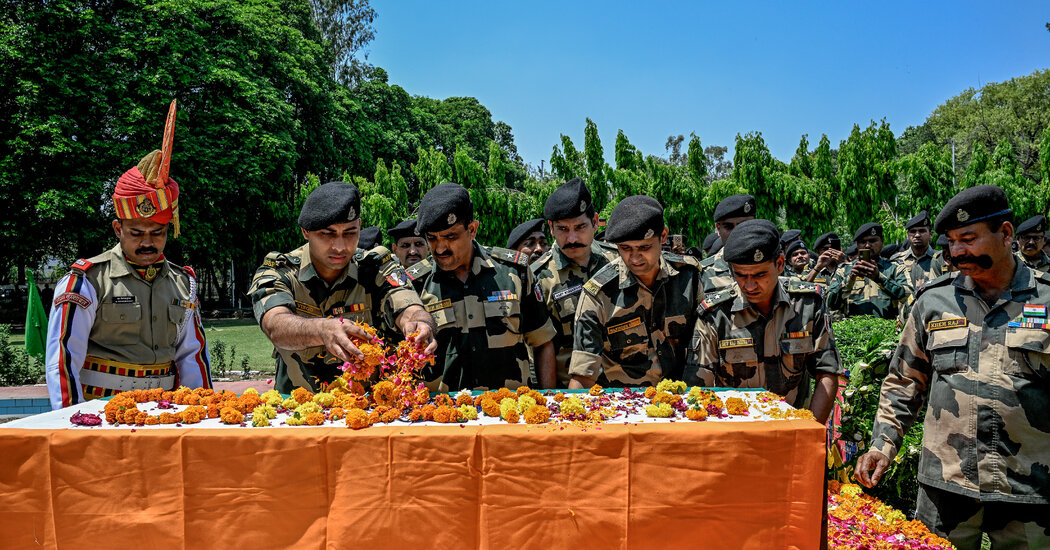
The recent military confrontation between India and Pakistan, nuclear-armed neighbors with a long history of conflict, began with a deadly terrorist attack on February 14, 2019, in Pulwama, Indian-administered Kashmir. A suicide bomber affiliated with the Pakistan-based Jaish-e-Mohammed (JeM) rammed an explosive-laden vehicle into a convoy of Indian security forces, killing at least 40 personnel. This incident ignited widespread outrage in India and fueled demands for a strong response against Pakistan.
India accused Pakistan of harboring and supporting terrorist groups operating against it, a charge Pakistan consistently denies. The escalating tensions led to heightened military preparedness on both sides of the Line of Control (LoC), the de facto border dividing Kashmir. The situation further deteriorated when India launched airstrikes inside Pakistani territory on February 26, targeting what it claimed were JeM training camps. Pakistan disputed the Indian claims about the effectiveness of the strikes and retaliated with its own airstrikes across the LoC the following day. This back-and-forth aerial engagement led to the downing of an Indian fighter jet and the capture of its pilot, Wing Commander Abhinandan Varthaman, by Pakistan.
The capture of the Indian pilot further intensified the crisis, raising fears of a full-blown war between the two nuclear powers. International concern mounted, with world leaders urging restraint and dialogue to de-escalate the situation. The United States, China, Russia, and other major powers engaged in diplomatic efforts to prevent further escalation. Pakistan’s decision to release the captured pilot on March 1, as a "gesture of peace," marked a turning point in the crisis. The release was seen as a significant de-escalatory step and helped ease tensions between the two countries.
While the immediate crisis abated, the underlying issues remained unresolved. India continued to assert that Pakistan must take concrete action against terrorist groups operating from its soil. Pakistan, on the other hand, insisted on dialogue and denied providing any support to terrorism. The Pulwama attack and the subsequent military confrontation highlighted the precarious nature of the India-Pakistan relationship and the persistent threat of terrorism in the region. The events also underscored the need for a sustained and meaningful dialogue between the two countries to address the root causes of their conflict and find ways to peaceful coexistence.
In the aftermath of the crisis, both countries reaffirmed their commitment to fighting terrorism and upholding regional stability. However, the mistrust and suspicion between them remained deeply entrenched. The international community emphasized the importance of bilateral talks and confidence-building measures to prevent future escalations. While the release of the Indian pilot signaled a decrease in immediate tensions, the long-term trajectory of the India-Pakistan relationship remained uncertain, highlighting the ongoing challenges in achieving lasting peace and stability in South Asia. The need for dialogue, diplomatic engagement, and a commitment to addressing the root causes of conflict remain critical to preventing future escalations and building a more stable and secure future for the region.
The Pulwama attack and its aftermath served as a stark reminder of the volatile situation in South Asia and the dangers of unchecked escalation between nuclear-armed states. The international community’s active involvement in defusing the crisis highlighted the global concern over the potential for a catastrophic conflict. While the immediate crisis was averted, the underlying issues that fueled the confrontation – terrorism, territorial disputes, and deep-seated mistrust – remain potent challenges that require sustained dialogue and diplomatic efforts to resolve. The future of India-Pakistan relations hinges on the ability of both countries to move beyond the cycle of accusations and retaliations and engage in meaningful dialogue to address the root causes of their conflict.