


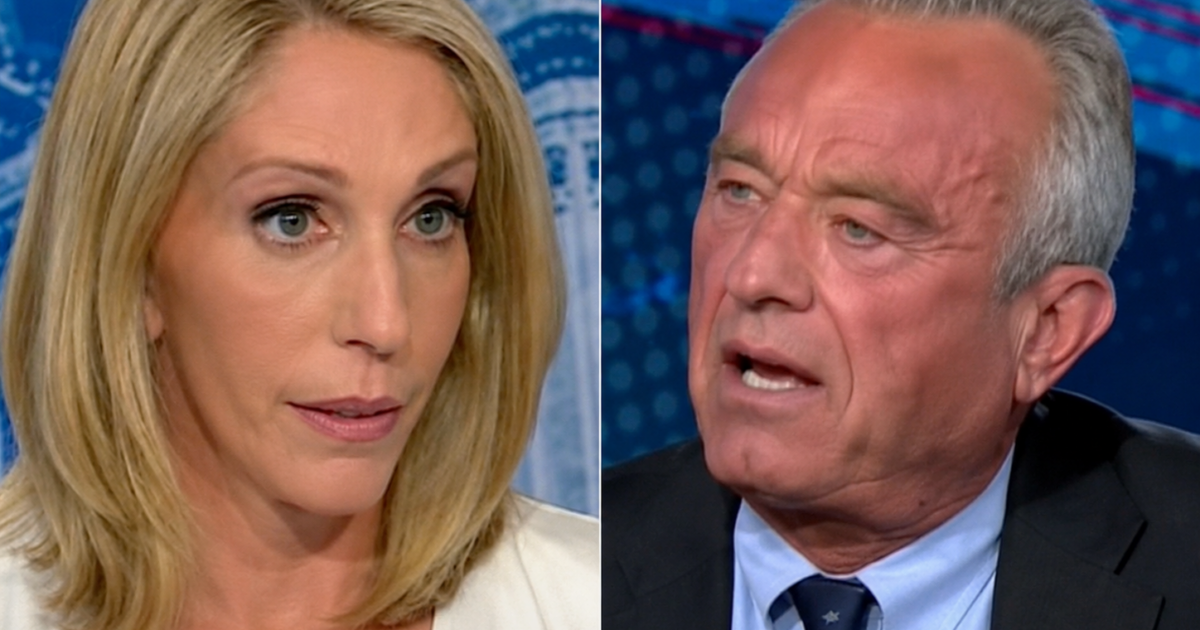
In a significant development that marks a shift in the trajectory of American public health policy, Health Secretary Robert F. Kennedy Jr. utilized a high-profile television appearance on August 2, 2026, to aggressively rewrite the historical narrative surrounding the United States’ response to the Covid-19 pandemic. Appearing on CNN’s “State of the Union,” Kennedy directed sharp criticism toward former NIAID director Dr. Anthony Fauci, framing him as the primary architect behind the nationwide lockdowns that defined the early stages of the global health crisis. By positioning himself as a critic of the established scientific consensus, Kennedy is signaling a fundamental change in the administrative approach to federal oversight.
This public condemnation arrives on the heels of a contentious congressional hearing held the previous week, where Dr. Fauci faced intense scrutiny from Republican lawmakers regarding his leadership during the pandemic. Kennedy’s alignment with these sentiments underscores a growing political effort to characterize the public health mandates of the 2020 era not as life-saving measures, but as overreaches of executive authority. For supporters of the administration, these remarks serve as a vindication of their long-held belief that the government’s pandemic response was a failure of leadership rather than a necessary reaction to an unfolding medical emergency.
However, historical records and public health data provide a starkly different account of those initial months. The lockdowns were not the unilateral invention of a single federal official, but were largely implemented by state and local leaders under immense pressure. At the time, hospital systems across the nation were facing catastrophic collapse, with intensive care units overwhelmed by surging patient numbers. Local officials acted in direct response to desperate pleas from healthcare workers and hospital administrations seeking to gain control over the viral spread and prevent the total breakdown of essential medical services.
The potential implications of Kennedy’s rhetoric extend far beyond historical revisionism, as his role as HHS secretary elevates what were once fringe theories to the level of official federal policy. During the broadcast, he doubled down on a series of controversial claims regarding vaccines, RSV, and measles—assertions that have been repeatedly debunked by the global scientific community. By utilizing his cabinet position to amplify these narratives, critics argue that Kennedy is fundamentally altering the mandate of the Department of Health and Human Services, moving away from established clinical data toward an ideology defined by deep-seated institutional distrust.
This ideological pivot arrives at a precarious moment for American public health, as the nation grapples with its most severe measles resurgence in over thirty years. Infectious disease experts and epidemiologists have sounded the alarm, warning that the current outbreak is a direct consequence of the erosion of public confidence in immunization programs. They argue that the very misinformation currently being broadcast by the head of the nation’s top health agency is undermining years of medical progress and leaving communities vulnerable to preventable diseases that were once considered eradicated.
As the administration continues to frame the pandemic’s legacy through a lens of skepticism, the chasm between mainstream scientific institutions and federal health leadership continues to widen. The integration of vaccine skepticism into the highest levels of government represents a “disruptive” departure from decades of public health norms, potentially setting the stage for a new era of medical policy. As the debate intensifies, the nation remains divided between those who view this change as a necessary correction to institutional overreach and those who fear it will lead to a long-term degradation of the nation’s ability to respond to future health crises.