


US Pledges $30 Million to Gaza Humanitarian Foundation, Sparking Controversy
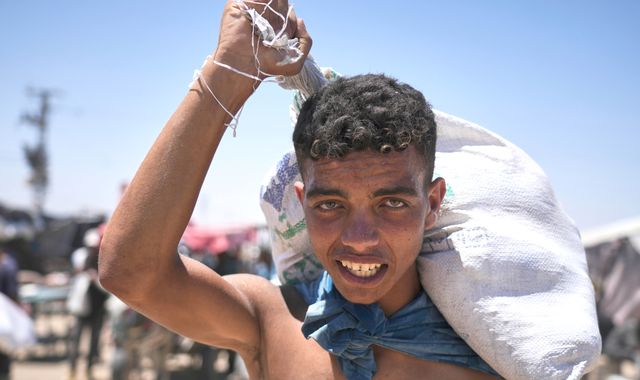
WASHINGTON – The United States State Department announced on Thursday a $30 million funding commitment to the Gaza Humanitarian Foundation (GHF), marking the first known direct US government financial contribution to the organization. This move has generated significant debate, given concerns surrounding recent violence near GHF aid distribution sites and the foundation’s connections to for-profit American companies. The State Department, while acknowledging these complexities, emphasized the urgent humanitarian needs in Gaza and called on other countries to contribute to relief efforts. The funding is intended to support vital humanitarian programs in the besieged Palestinian territory, including food assistance, healthcare, and shelter for vulnerable populations.
The GHF, a relatively new non-governmental organization operating in Gaza, has rapidly expanded its operations in recent years. While it has gained recognition for providing essential services in a region plagued by conflict and economic hardship, its operational framework and financial transparency have been subject to scrutiny. Critics have questioned the GHF’s association with US-based for-profit firms, raising concerns about potential conflicts of interest and the efficient allocation of resources. The nature and extent of these partnerships remain unclear, further fueling the ongoing debate surrounding the US government’s decision to fund the organization. This controversy underscores the challenges in delivering aid effectively in complex political and security environments.
The recent outbreaks of violence near GHF aid distribution points have further complicated the situation. While the exact circumstances surrounding these incidents remain under investigation, they raise serious concerns about the safety and security of aid workers and recipients alike. The potential for aid distribution to become a flashpoint in the ongoing Israeli-Palestinian conflict is a significant concern for humanitarian organizations operating in the region. The US State Department has called for a thorough investigation into these incidents and emphasized the importance of ensuring the safety and security of all humanitarian personnel and beneficiaries.
The $30 million contribution to the GHF forms part of a broader US strategy to address the worsening humanitarian crisis in Gaza. The territory, home to over two million Palestinians, has been under a blockade for over a decade, severely impacting its economy and living conditions. Unemployment is rampant, poverty is widespread, and access to basic necessities like clean water and electricity remains severely limited. Furthermore, repeated cycles of conflict have devastated infrastructure and further exacerbated the humanitarian needs of the population. The United States has long been a major donor of humanitarian aid to the Palestinian territories, but this recent contribution marks a significant shift in its approach by directly funding the GHF.
The decision to fund the GHF has drawn mixed reactions from international observers and humanitarian organizations. Supporters argue that the funding will provide much-needed support to vulnerable populations in Gaza and that the GHF’s on-the-ground presence allows for effective aid delivery. They contend that any concerns about the organization’s operations should be addressed through oversight and transparency mechanisms rather than by withholding vital funding. However, critics express reservations about the GHF’s transparency and accountability, emphasizing the need for a thorough vetting process before allocating such a substantial amount of financial assistance. They also urge a greater focus on addressing the underlying political and economic factors contributing to the humanitarian crisis in Gaza.
The US government’s funding decision highlights the intricate challenges of delivering aid in conflict zones. Balancing the urgent need to provide humanitarian assistance with concerns about accountability, transparency, and the potential for aid to become entangled in political and security dynamics requires a nuanced approach. As the GHF receives this substantial influx of US funding, its operations will likely face increased scrutiny. Its ability to effectively and transparently manage these resources, while navigating the complex realities on the ground, will ultimately determine the success of this controversial initiative. The international community will be closely watching to assess the impact of this funding on the lives of Gazans and whether it contributes to alleviating the enduring humanitarian crisis in the territory.