


Disinformation Plagues Online Narrative of Israel-Iran Conflict
The recent escalation of conflict between Israel and Iran has ignited a firestorm of disinformation online, with both pro-Israeli and pro-Iranian accounts leveraging manipulated videos, AI-generated imagery, and recycled footage to bolster their respective narratives and sow discord. BBC Verify’s in-depth analysis has uncovered a deluge of fake content designed to exaggerate the effectiveness of each side’s military actions, misleading millions of viewers across multiple social media platforms.
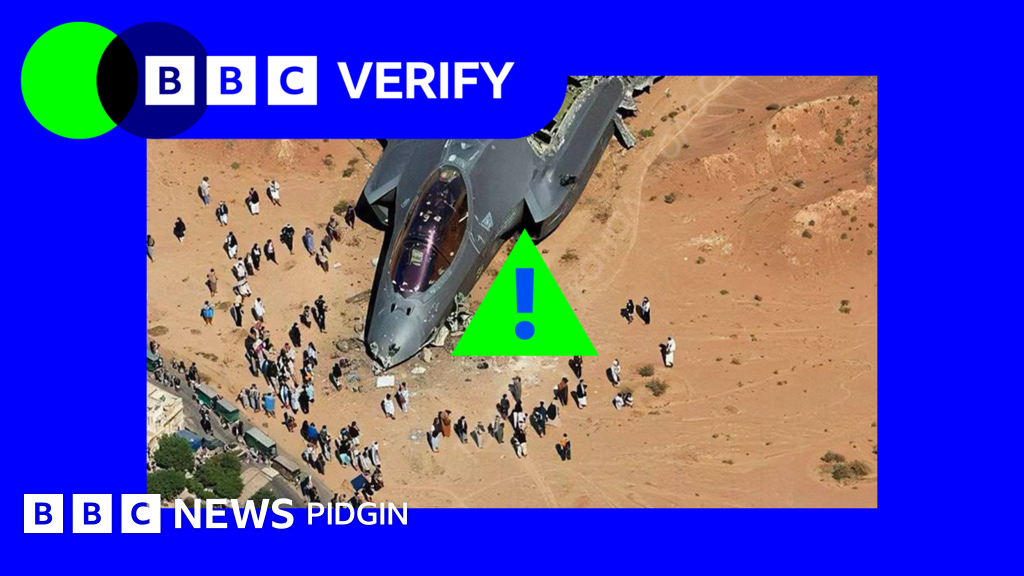
The most prevalent forms of disinformation include AI-generated videos boasting of Iran’s military capabilities, fabricated clips showcasing alleged destruction of Israeli targets, and reposted footage of past protests in Iran falsely presented as current expressions of dissent against the government. One of the most striking examples is a video depicting dozens of missiles descending upon Tel Aviv, which garnered over 27 million views despite its clear artificial origins. Similarly, videos claiming to show downed Israeli F-35 fighter jets have proliferated, despite a lack of verifiable evidence. These AI-generated clips often depict night-time scenes, making verification more difficult, and play on existing anxieties surrounding the effectiveness of advanced weaponry.
The rapid spread of this disinformation is fueled by a combination of factors, including the involvement of “engagement farmers” seeking to profit from the conflict by generating viral content, and the existence of anonymous accounts acting as “super spreaders.” One such pro-Iranian account saw its follower count double in less than a week, highlighting the ease with which misleading content can gain traction in a charged environment. The use of official-sounding account names and blue checkmarks adds a veneer of legitimacy to these accounts, further deceiving unsuspecting users.
Experts have expressed alarm at the scale and sophistication of the disinformation campaign, noting the unprecedented use of generative AI during an active conflict. The focus on the alleged destruction of Israeli F-35s has been particularly notable, with some analysts suggesting a link to Russian influence operations. By casting doubt on the effectiveness of Western, and particularly American, weaponry, these narratives mirror previous Russian disinformation campaigns aimed at undermining support for Ukraine.
Pro-Israeli accounts have also contributed to the spread of misinformation, sharing fabricated videos depicting Iranians expressing support for Israel and engaging in anti-government protests. Moreover, as speculation surrounding potential US strikes on Iranian nuclear sites intensifies, AI-generated images of B-2 bombers flying over Tehran have begun to circulate. The B-2 bomber has been the subject of much discussion since the start of the Israeli strikes, as it is the only aircraft capable of effectively targeting Iran’s underground nuclear facilities.
Worryingly, even official sources in both Iran and Israel have inadvertently shared some of this fake content, further amplifying its reach and blurring the lines between fact and fiction. The proliferation of disinformation on platforms like X has prompted users to turn to the platform’s AI chatbot, Grok, for verification, but even this tool has proven unreliable, sometimes validating fabricated videos.
The widespread sharing of disinformation underscores the challenge of separating truth from falsehood in the digital age, particularly during times of conflict. The emotional nature of the content, coupled with pre-existing political biases, facilitates the rapid spread of these narratives as users share information that aligns with their worldview. Platforms like TikTok and Instagram have also been used to disseminate these videos, with TikTok removing some content after being contacted by BBC Verify. Despite community guidelines prohibiting misleading content, the sheer volume of posts makes comprehensive moderation difficult. The responsibility for combating disinformation rests not only on social media platforms but also on individuals, who must exercise critical thinking and source information from trusted sources. The Israel-Iran conflict serves as a stark reminder of the potent and pervasive threat of disinformation in the 21st century.