


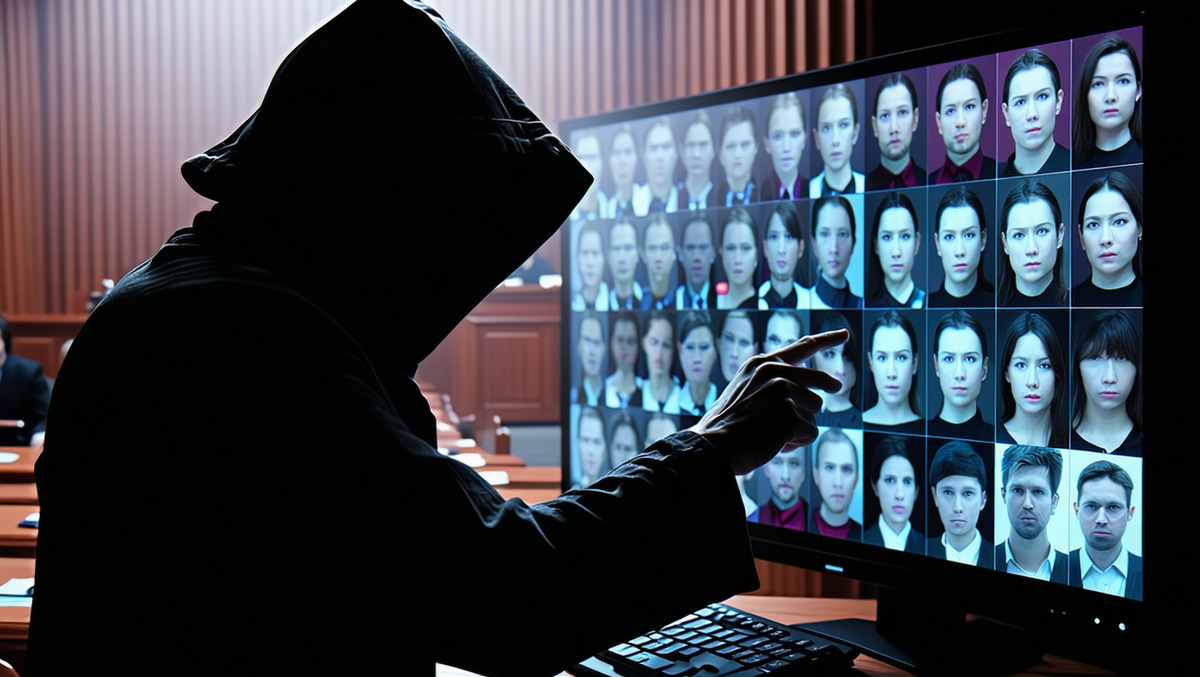
The Looming Threat of AI Deepfakes: A Deep Dive into Disinformation, Defamation, and Distrust
The rapid advancement of artificial intelligence (AI) has ushered in a new era of technological marvels, but it has also unleashed a Pandora’s Box of potential dangers. Among these, the rise of AI-generated deepfakes stands out as a particularly insidious threat, capable of undermining public trust, disrupting legal proceedings, defaming individuals, and even inciting violence. Media Medic, a leading authority in media analysis and authentication, has sounded the alarm on the escalating sophistication of deepfake technology and its increasingly detrimental impact on society.
Deepfakes, synthetic media created using AI, can convincingly fabricate videos or audio recordings of individuals saying or doing things they never actually did. These manipulations are becoming increasingly realistic, making it progressively difficult for the untrained eye to distinguish between genuine content and fabricated material. Ben Clayton, CEO of Media Medic, warns that deepfakes have evolved beyond mere internet pranks and now represent a profound risk to the very fabric of public trust. "AI deepfakes have moved beyond simple internet hoaxes," he explains. "They now pose a significant threat to public trust, potentially disrupting legal cases, defaming individuals, and spreading disinformation with severe consequences."
One of the most concerning aspects of this emerging technology is its potential to manipulate public opinion and undermine the credibility of individuals, particularly in the political arena. Media Medic has reported a significant surge in AI-generated content designed to influence public discourse and discredit political figures. This manipulation can take many forms, from fabricated videos depicting politicians making inflammatory statements to altered audio clips misrepresenting their views. "In recent months, we’ve witnessed a spike in AI-driven content aimed at swaying public opinion and discrediting political figures," Clayton notes. "The remarkable ability of deepfakes to mimic real people with uncanny accuracy creates fertile ground for disinformation campaigns that can mislead voters and exacerbate social tensions." Legal firms and public advocacy groups, increasingly aware of this growing threat, have been reaching out to Media Medic for assistance in identifying and counteracting these sophisticated disinformation efforts.
Beyond the political sphere, the implications of deepfake technology extend to the legal system and the wider social landscape. Deepfakes can be weaponized to fabricate evidence in legal proceedings, potentially leading to wrongful convictions or acquittals. The technology also poses a significant threat to individuals, who can be targeted with deepfake videos aimed at damaging their reputations or inciting harassment. Furthermore, Clayton emphasizes the potential of deepfakes to incite social and political unrest. "Deepfakes are increasingly employed as potent tools for disinformation, capable of inciting chaos and hatred," he cautions. "Fabricated videos or audio clips falsely portraying inflammatory statements or actions can ignite unrest, especially in already volatile environments." When such manipulated media circulates widely on social media platforms or within specific communities, it can amplify existing anger and provoke real-world violence.
The rapid advancement of deepfake technology presents significant challenges for legal analysts and experts tasked with verifying the authenticity of digital content. As the technology continues to evolve, the subtle imperfections and inconsistencies that once betrayed the artificial nature of deepfakes are becoming increasingly difficult to detect. This poses a serious threat to the integrity of evidence in legal proceedings and raises profound questions about the erosion of trust in media and communication systems. Clayton warns, "If deepfake technology continues to advance unchecked, we could soon find ourselves in a world where distinguishing reality from fabrication becomes virtually impossible for most people." This loss of trust in media, public figures, and even basic communication could have devastating consequences, leading to widespread skepticism, social fragmentation, and an erosion of faith in institutions.
The erosion of trust in media, public figures, and even basic communication represents a fundamental threat to the stability of democratic societies. As individuals become increasingly uncertain about the veracity of the information they consume, they may become more susceptible to manipulation and less likely to engage in constructive dialogue. This can fuel polarization, undermine public discourse, and create an environment where misinformation flourishes. Clayton emphasizes the urgency of addressing this growing crisis: "This erosion of trust in media, public figures, and even fundamental communication could throw society into turmoil, with individuals constantly questioning the reality of what they see and hear online. Important messages and public figures could be perpetually scrutinized, leading to widespread frustration and diminished faith in leaders and justice systems."
The potential consequences of inaction are dire. Without effective countermeasures, deepfakes are likely to become an increasingly prevalent tool for malicious actors seeking to sow chaos, discredit individuals, and manipulate public opinion. Clayton warns, "If we fail to take action now, we will witness a proliferation of disinformation campaigns that incite violence and social unrest. Deepfakes could easily become the weapon of choice for those seeking to create chaos and discredit individuals." To combat this threat, Media Medic is enhancing its forensic analysis capabilities and developing advanced detection tools. Clayton stresses the urgency for legal professionals and other stakeholders to remain vigilant and proactive in the face of this evolving threat. He urges legal firms to recognize the gravity of the situation and take immediate steps to ensure that justice is not compromised by this digital deception. "Legal firms cannot afford to be complacent," he emphasizes. "The stakes are simply too high."
To equip industries with the necessary tools to identify AI-generated content early, Media Medic recommends a three-pronged approach: examining unusual artifacts, cross-referencing with known data, and utilizing advanced AI detection tools. By scrutinizing digital media for subtle glitches and inconsistencies that often betray the artificial nature of deepfakes, individuals and organizations can better protect themselves from the potential harms of misinformation. These tactics can help identify the subtle glitches and inconsistencies often present in AI-created media, safeguarding against the potentially devastating effects of misinformation. The fight against deepfakes is a race against time, and a concerted effort from technology developers, policymakers, and the public is crucial to safeguard the integrity of information and preserve public trust in an increasingly digital world.