


The Rising Tide of Misinformation in the Sports World: A Fact-Checker’s Perspective
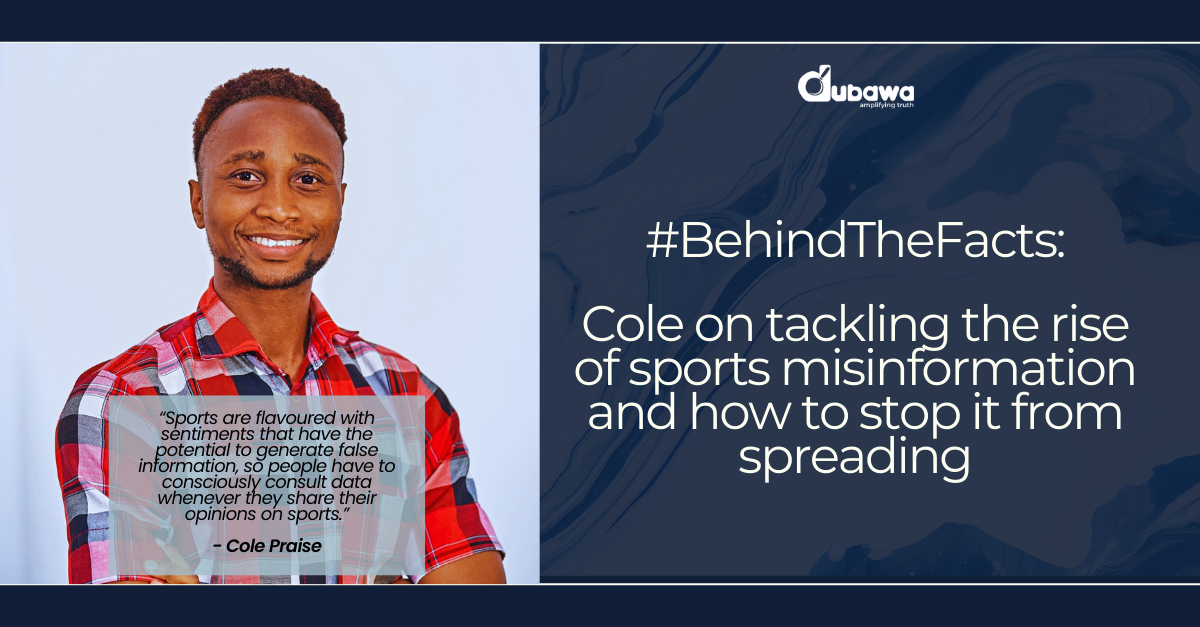
The realm of sports, once a sanctuary of pure passion and competition, has increasingly become a breeding ground for misinformation. No longer confined to mere speculation and rumor, the spread of false narratives in sports now leverages sophisticated tools like artificial intelligence, blurring the lines between fact and fiction and posing a significant challenge to fans, athletes, and organizations alike. Praise Cole, a fact-checker specializing in sports for the independent fact-checking organization DUBAWA, offers valuable insights into this evolving landscape, highlighting the unique challenges, emerging trends, and potential solutions in combating sports misinformation. His work underscores the crucial role of critical thinking, data literacy, and collaborative efforts in safeguarding the integrity of sports discourse.
Cole’s journey into the world of sports fact-checking began with a desire to specialize within the broader field of fact-checking. Just as other fact-checkers focus on specific domains like health, technology, or language, Cole recognized the need for expertise in verifying sports-related claims. This specialization has led him to immerse himself in the world of sports, particularly European sports, consuming vast amounts of information across various disciplines, including football, tennis, and rugby. This broad knowledge base is essential for identifying potentially false narratives and understanding the context within which they emerge.
The process of fact-checking sports information, Cole explains, often begins on platforms like TikTok, where edited videos and AI-generated content frequently distort reality. On other social media platforms like X (formerly Twitter) and Facebook, misinformation often takes the form of unsubstantiated statements and assertions. A common tactic used by purveyors of false information involves manipulating post-match interviews, attributing fabricated quotes or altering existing ones to create controversy. Another prevalent method involves capitalizing on the emotional fervor surrounding sports events, twisting narratives to align with pre-existing biases and beliefs. Despite the specific context of sports, the underlying methods of fact-checking remain consistent. Whether debunking AI-generated content or verifying data-related claims, the core principles of rigorous research, source verification, and critical analysis apply.
One notable example of the impact of sports fact-checking, though not directly attributed to Cole’s work, was the debunking of the "Hakimisionism" narrative in 2022. This viral story, falsely claiming that footballer Achraf Hakimi’s wife was denied half his fortune due to his assets being registered in his mother’s name, spread rapidly across the globe. DUBAWA’s investigation revealed that the story originated from a parody account, highlighting the potential for fabricated narratives to gain widespread traction. The successful debunking of this claim not only corrected the record but also earned DUBAWA recognition at the African Fact-Check Awards in 2023, underscoring the importance of fact-checking in combating online misinformation.
To address the growing problem of misinformation in sports, Cole emphasizes the need for increased data literacy among sports organizations, media outlets, and fans. The emotional nature of sports often leads to the rapid spread of unsubstantiated claims, highlighting the crucial role of data and statistics in grounding discussions in verifiable facts. Encouraging fans and commentators to consult reliable data and statistics before sharing or amplifying information can help mitigate the spread of inaccurate narratives. Media outlets, in particular, bear a responsibility to uphold journalistic integrity and avoid sensationalizing unverified information. Sports organizations, too, can contribute by actively debunking false claims and promoting accurate reporting, contributing to a more informed and responsible sports ecosystem.
Looking ahead, Cole predicts that the use of AI in generating and disseminating sports misinformation will continue to grow, presenting a significant challenge for fact-checkers. He has already encountered numerous instances of AI-generated sports content that has been readily accepted as true by the public, despite containing obvious red flags. This trend suggests that those spreading fake sports news are likely to increasingly exploit AI capabilities to manipulate data and sway public opinion. This anticipated rise in AI-driven misinformation necessitates the development of advanced detection tools and strategies, alongside continued efforts to educate the public on how to identify and critically evaluate online content.
The ongoing battle against misinformation in sports requires a multi-faceted approach involving fact-checkers, sports organizations, media outlets, and fans alike. Promoting data literacy, fostering critical thinking skills, and supporting the work of fact-checking organizations are essential steps in combating the spread of false narratives. As AI-generated content becomes increasingly sophisticated, developing robust detection tools and strategies will be paramount. By working together, we can create a more informed and responsible sports environment where facts prevail over fiction, ensuring that the passion and excitement of sports remain untainted by the corrosive effects of misinformation.