


Navigating the Complexities of Immigration Law: A Guide for Service Providers and the Immigrant Community
The ever-shifting landscape of immigration law can be daunting, particularly for immigrant families and the service providers who support them. A recent virtual program hosted by Healthy Culpeper, a coalition of local nonprofits, aimed to shed light on these complexities, offering valuable insights into current immigration laws, regulations, and the rights of immigrants. Tori Andrea Babington, an attorney specializing in rural programs at Just Neighbors, a humanitarian-focused immigration legal services organization, led the informative session. Babington, drawing on 15 years of experience in immigration law, highlighted the potential challenges immigrant families may encounter, especially those with mixed immigration statuses – where some family members are U.S. citizens while others lack legal status. This dynamic often creates fear and uncertainty, not only for undocumented individuals but also for legal residents concerned about potential repercussions for their families. The session underscored the critical role of organizations like Just Neighbors in providing essential legal services and clarifying misinformation prevalent within immigrant communities.
Just Neighbors, a chapter of the national Justice for Our Neighbors network, has been providing affordable legal services in Northern Virginia for almost three decades. Their reach has recently expanded to encompass Maryland, Washington D.C., and rural Virginia, including the Northern Piedmont, Shenandoah Valley, and Eastern Shore regions. Operating on a sliding-scale fee system, Just Neighbors offers comprehensive legal support to low-income clients, guiding them through each stage of their immigration case, from initial interviews and court hearings to complex application processes. The organization also conducts educational presentations, dispelling myths and offering clear, non-political information about immigration laws and procedures. With the immigration system facing significant backlogs, the path to citizenship can be protracted, often taking years. However, Just Neighbors remains committed to accompanying clients throughout this journey, ensuring they are informed and supported every step of the way.
The program emphasized the often misunderstood realities of immigration pathways. Contrary to popular belief, there is no simple "line" for undocumented immigrants to achieve legal status. The system is considerably more intricate, with limited options available to those lacking documentation. Babington highlighted the four primary avenues to obtain a green card: family sponsorship, employer sponsorship, humanitarian petitions, and special provisions for abused or neglected juveniles. Unfortunately, these pathways are often inaccessible to many undocumented individuals due to previous immigration violations or lack of qualifying criteria. The 1986 immigration reform remains the last substantial overhaul of the system, leaving many long-term residents without a clear path to legal status. Babington debunked the myth that simply residing in the United States for an extended period guarantees eligibility for citizenship, stressing the critical need for immigration reform to address this issue.
Addressing concerns among service providers, Babington sought to allay fears about information sharing and potential ICE (Immigration and Customs Enforcement) involvement. She reassured attendees that their interactions with immigrant clients are confidential, and information shared with service providers is not reported to ICE. This is crucial to ensure that immigrants feel safe accessing necessary services without fear of repercussions. Babington acknowledged a prevalent fear of ICE raids within immigrant communities, often fueled by misinformation circulating on social media. While acknowledging the administration’s focus on deportations, she clarified that constitutional rights protect all individuals in the U.S., including undocumented immigrants. These rights, specifically the Fourth Amendment protection against unreasonable search and seizure and the Fifth Amendment right to remain silent, are paramount. Babington offered practical advice to service providers, encouraging them to familiarize themselves with these rights and understand the distinction between public and private spaces, guiding them on how to interact with ICE agents should they encounter them in their facilities.
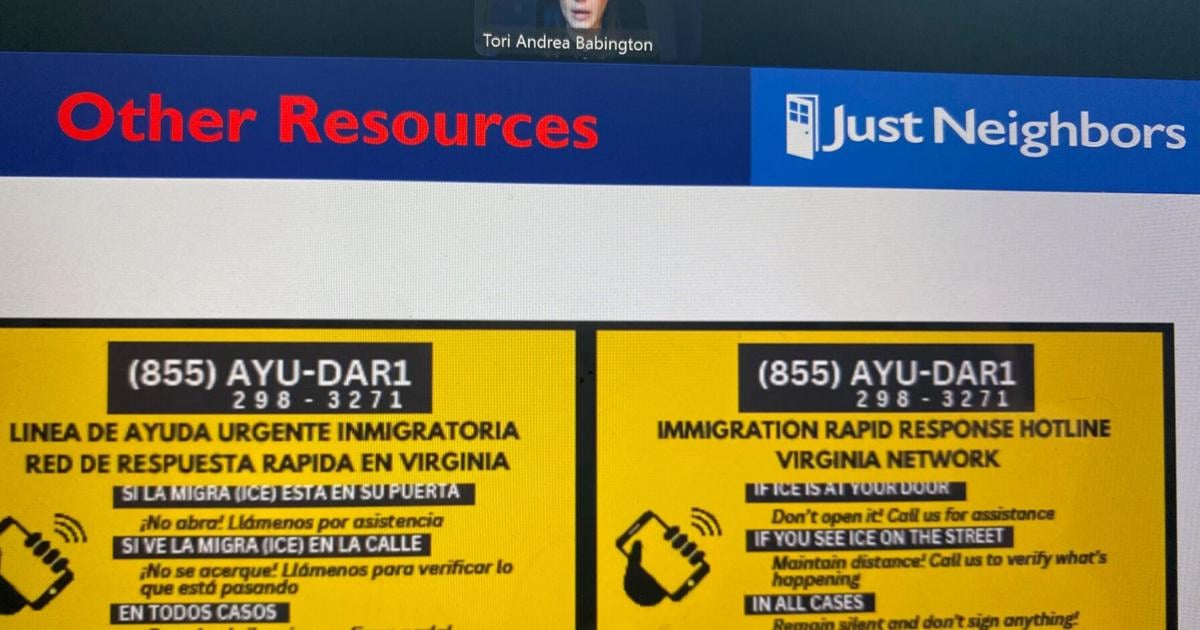
Clarifying the legalities surrounding ICE interactions, Babington emphasized the importance of warrants. ICE agents cannot enter private spaces without a judicial warrant or explicit permission. Service providers are urged to request a warrant if ICE agents attempt to enter private areas within their facilities, refusing entry without a valid warrant signed by a judge. While ICE agents can enter public areas, like waiting rooms, they cannot enter private spaces such as exam rooms or offices. Babington advised designating specific staff members to interact with ICE agents should they visit, ensuring a consistent and informed response. For individuals at home, the same rules apply: ICE agents require a warrant signed by a judge to enter. Babington outlined the functions of "Red Cards," a resource providing a concise overview of constitutional rights for immigrants to present to authorities. This empowers individuals to assert their rights effectively during interactions with law enforcement. Just Neighbors also operates a volunteer-run hotline to provide support and information during ICE raids, offering real-time assistance and verification of reported incidents to address misinformation.
The presentation addressed specific concerns about immigration enforcement priorities and the implications for individuals with varying immigration statuses. Babington noted an increase in detentions of individuals who previously attended immigration hearings without incident, indicating a shift in enforcement practices. She highlighted the continued prioritization of deporting individuals with prior deportations and serious criminal convictions. Clarifying misconceptions about driving without a license, Babington explained that while it is not a deportable offense, it can lead to interactions with law enforcement, increasing the risk of identification by ICE for undocumented individuals. She also brought attention to "collateral arrests," where ICE agents detain undocumented individuals encountered during operations targeting specific individuals. Addressing another common concern, Babington reiterated that local police departments are generally prohibited from making immigration arrests. However, programs like 287g, which existed in Culpeper under the previous sheriff, and Secure Communities empower local law enforcement to act as immigration officers, blurring the lines between local law enforcement and immigration enforcement.
The presentation clarified the complex situation of children arriving in the U.S. with undocumented parents. Babington confirmed that children do not automatically gain legal status based on their parents’ undocumented status and can be deported, often with their families. However, protections exist for children who have been abused, abandoned, neglected, are victims of crime or family violence, or qualify for asylum. Babington underscored the absence of a clear pathway to legal status for children who have spent most of their lives in the U.S., even those who have graduated high school. This highlights the plight of Dreamers, individuals brought to the U.S. as children without documentation, many of whom have DACA (Deferred Action for Childhood Arrivals) but lack a pathway to permanent residency. The event emphasized the importance of knowing the facts about immigration law, enabling families to understand their rights, protect themselves from scams, and make informed decisions about their future.
The comprehensive program provided invaluable information and resources to service providers and community members alike, fostering a greater understanding of the intricacies of immigration law and empowering individuals to navigate the complexities of the system while upholding their rights. Babington’s presentation underscored the need for continued advocacy and legal support for vulnerable immigrant populations and the important role service providers play in ensuring access to essential services and information.