


Paragraph 1: The Launch of a New Era of Influence
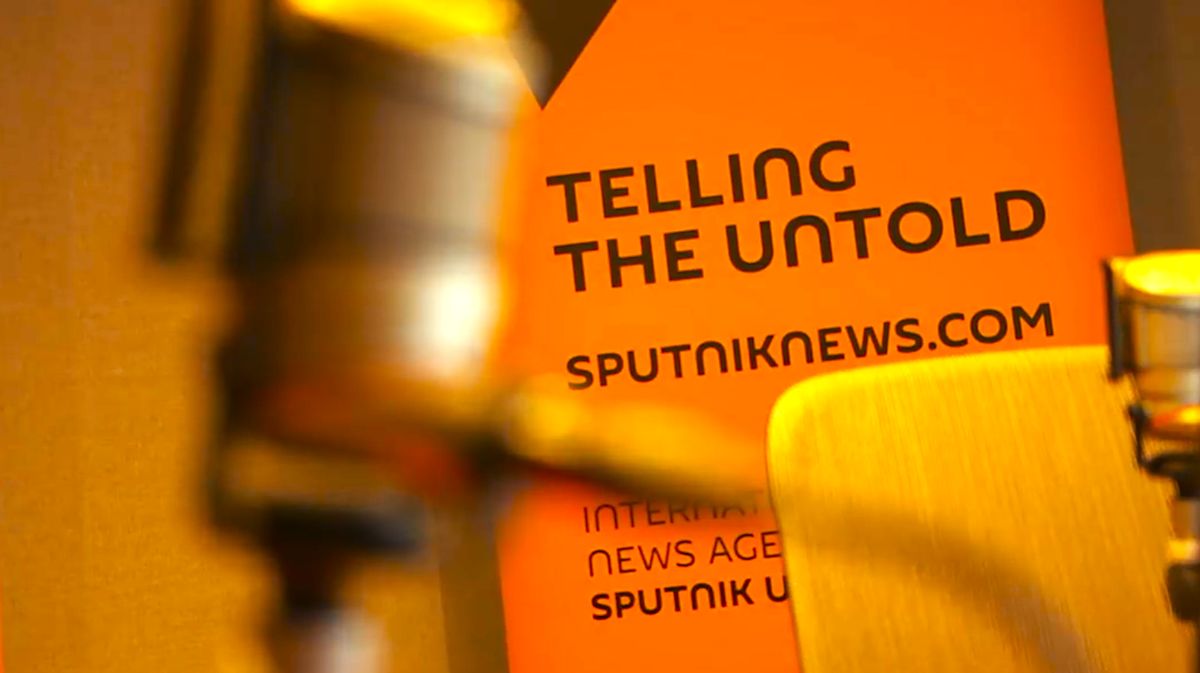
The name Sputnik is etched in history as the 1957 satellite that shocked the Western world and kick-started the space race. Sixty years later, the Kremlin reused this iconic name for a different kind of launch—not into the cosmos, but into the heart of a politically fractured Scotland. In August 2016, Sputnik News established its UK headquarters in Edinburgh, a city steeped in enlightenment values but currently navigating the turbulent aftermath of the 2014 independence referendum and the seismic shock of the Brexit vote. The UK had just voted to leave the European Union, and Scottish nationalism was surging once more. This was fertile ground for a Kremlin-backed outlet, which arrived not as a conventional news agency but as a tool explicitly designed to project Russian state power, presenting a supposed “alternative” viewpoint to the mainstream media while ruthlessly capitalizing on deep-seated political divisions. The very act of setting up a Russian state propagandist shop in the Scottish capital was a deliberate strategic move to leverage the uncertainty and dissent of the era.
Paragraph 2: The Promise of Editorial Freedom and Immediate Backlash
The operational plan was deceptively simple: to embed Russian influence within a locally-staffed, credible media facade. Rossiya Segodnya, the Russian state-owned parent company, hired local Scottish journalists, including Carolyn Scott and Jack Foster, promising them significant editorial freedom to run their own shows—a stark contrast to the typical image of a Kremlin mouthpiece. The British press, however, immediately smelled a rat. The Daily Record ruthlessly dubbed it “Radio Gaga,” while The Herald and The Times questioned its motives, accusing it of seeking to amplify separatist tensions and destabilise the union. For Scott, the appeal was initially practical—a steady paycheck and the opportunity to present political content without the usual commercial constraints—but the ethical cloud loomed large from the very first day. The immediate hostility from the establishment media created a siege mentality, yet the journalists on the ground believed they could navigate the ethical quagmire by maintaining a genuine focus on Scottish issues.
Paragraph 3: The Incompetent Reality of the Operation
Beneath the surface, however, the operation was a far cry from a sophisticated disinformation machine designed to sway elections. Carolyn Scott vividly describes the working environment as an “absolute chaotic mess,” plagued by inexperience and unclear directives. The notion that this ragtag team of local freelancers could somehow manipulate the outcomes of Scottish or British politics was laughable; as Scott bluntly remarks, “They wouldn’t even influence a local dog show.” This lack of competence exposed the fundamental weakness of the project. It was a monument to vanity rather than a weapon of mass manipulation. The gap between Moscow’s grand ambitions and the Edinburgh reality was immense, highlighting the severe limitations of Russian soft power. The staff struggled to produce meaningful content, and internal confusion reigned, suggesting that the Kremlin cared more about the symbolic presence of a propaganda outpost in a Western democracy than about the tangible results it might achieve.
Paragraph 4: Political and Academic Scrutiny
Politically and academically, the outlet was systematically condemned and marginalised. Former SNP MP Stewart McDonald strategically worked to make the brand toxic within Scottish political circles, urging his colleagues not to legitimise the foreign state media by appearing on it. When leading nationalist figures like Alex Salmond hosted shows on sibling outlet RT, they faced immediate public backlash, with Nicola Sturgeon carefully distancing herself from such controversial engagements. Academic Dr. Ammon Cheskin contextualised the entire project as a “facade of great power status,” aimed at proving Russia was a global player on par with the UK, which might have its own BBC. However, by attempting to exert influence through media and failing so spectacularly, Russia revealed its own weakness. Cheskin notes that this failure forced the regime to pivot toward a more aggressive, militaristic posture, as its traditional instruments of soft power proved utterly ineffective in penetrating the Scottish consciousness.
Paragraph 5: The Geopolitical Hammer Falls
The geopolitical clock was ticking, and the inevitable downfall came swiftly. The 2018 poisoning of Sergei Skripal in Salisbury shattered any remaining credibility the operation had, effectively halting normal relations between the UK and Russia. Although the Edinburgh office lingered, its fate was sealed, and by 2021, Sputnik officially announced the closure of its UK operation—a quiet death with little fanfare. Then came the full-scale invasion of Ukraine in February 2022. In a decisive move, Ofcom revoked RT’s broadcasting license, and the European Union imposed blanket bans on both RT and Sputnik, relegating them to pariah status across the continent. The era of soft-power propaganda through slick broadcasts was over. According to Cheskin, Russia moved to a “much more aggressive, and militaristic” phase, shifting its true influence toward drones flying over European airports, attacks on sub-sea cables, and relentless cyber-hacks on critical infrastructure.
Paragraph 6: The Legacy of Failure and a Warning for the Future
The Sputnik chapter in Scotland serves as a profound and prescient warning for Western democracies. Stewart McDonald stresses that foreign disinformation is evolving at a far faster rate than our defences. “This is a problem that is getting more sophisticated… What does it mean in a time of crisis?” he asks, pointing to pandemics, cyber-attacks on Network Rail, or contested election campaigns. For Carolyn Scott, the lesson is deeply personal and painful. “I feel physically sick talking today about it,” she confesses, calling it one of the biggest regrets of her life. Yet, she has transformed this failure into a teaching tool, now instructing journalism students at Edinburgh Napier University about ethical ownership and the dangers of foreign state entanglement. Ultimately, the Sputnik experiment in Scotland failed in its immediate goal, but its legacy—and the persistent threat it represented through the Kremlin’s modern hybrid warfare—remains an urgent, unresolved challenge for governments and citizens alike.