


The Erosion of Truth: Navigating Disinformation in a Divided America
In an era saturated with information, discerning truth from falsehood has become an increasingly complex challenge. The rise of disinformation, the deliberate spread of false or misleading information, poses a significant threat to democratic societies, eroding trust in institutions and fueling societal divisions. This challenge is acutely felt in personal relationships, as families and friends grapple with conflicting narratives, often driven by partisan loyalties and amplified by social media echo chambers.
One reader, Bill from Buffalo, New York, shared his struggle with this very issue. He described a frustrating exchange with his brother, a staunch supporter of former President Trump and fervent believer in narratives surrounding government waste and fraud, often linked to cryptocurrency Dogecoin (DOGE). Bill’s brother frequently shares videos and content promoting these claims, leaving Bill feeling exasperated and unsure how to bridge the gap between their differing perspectives. This anecdote illustrates a common dilemma faced by many Americans today: how to engage in productive dialogue with loved ones who embrace misinformation.
The challenge lies in the insidious nature of disinformation. Unlike simple misunderstandings or differences of opinion, disinformation campaigns are often carefully crafted to exploit existing biases and anxieties. They tap into emotional narratives, offering simplistic explanations for complex problems and scapegoating convenient targets. This makes them particularly persuasive to individuals already predisposed to believe them. Furthermore, the sheer volume of information available online, coupled with the rapid spread of content through social media, makes it difficult to effectively counter false narratives.
Confronting disinformation requires a multi-pronged approach. First, promoting media literacy is crucial. Individuals need to develop critical thinking skills to evaluate the credibility of information sources, identify logical fallacies, and recognize manipulative tactics. This involves understanding how algorithms personalize online content, creating echo chambers that reinforce pre-existing beliefs while limiting exposure to alternative viewpoints. Second, fostering open and respectful dialogue is essential, even when engaging with those who hold opposing views. While challenging, it is important to approach these conversations with empathy and a willingness to listen, focusing on shared values and seeking common ground. Finally, fact-checking organizations play a vital role in debunking false claims and providing accurate information. Supporting these organizations and promoting their work is crucial in combating the spread of disinformation.
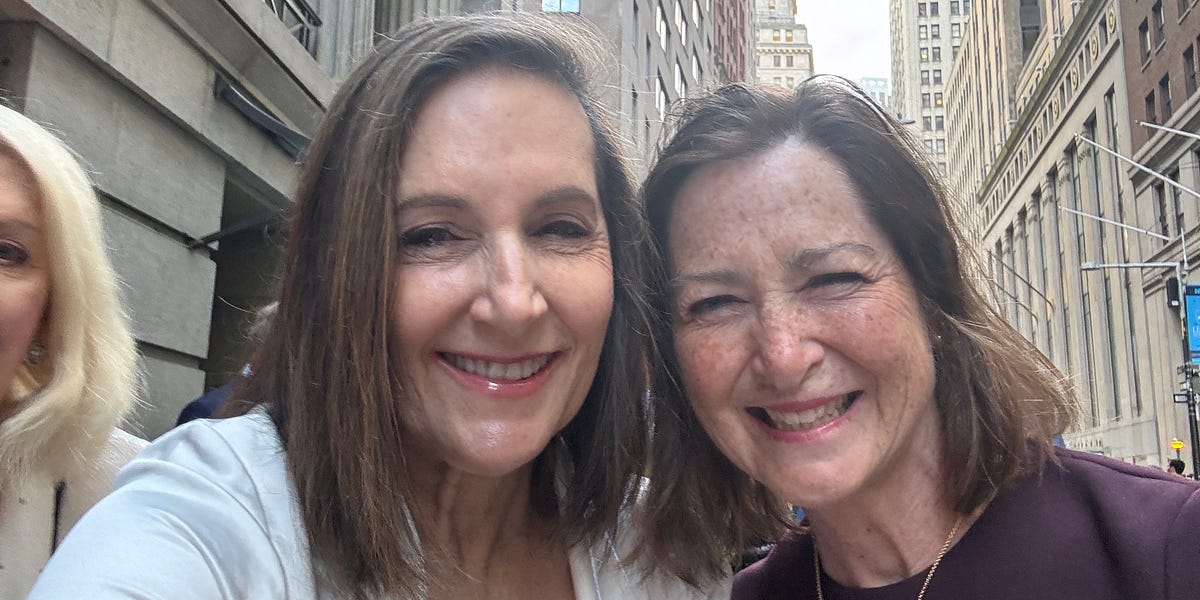
Recognizing the importance of expert insights in navigating this complex landscape, this article draws upon the expertise of Barb McQuade, a former U.S. Attorney and author of "Attack from Within: How Disinformation Is Sabotaging America." McQuade’s work sheds light on the dangers of disinformation and offers strategies for countering its influence. Through her analysis, we gain a deeper understanding of the mechanisms by which disinformation operates, the motivations of those who spread it, and the potential consequences for our democracy. Her insights provide valuable guidance for individuals seeking to navigate the information landscape responsibly and engage in productive conversations with those who have fallen prey to misinformation.
Addressing the challenges of disinformation requires a collective effort. It demands individual responsibility in critically evaluating information, engaging in respectful dialogue, and supporting fact-checking initiatives. It also necessitates broader societal action, including promoting media literacy education, holding social media platforms accountable for the spread of misinformation, and strengthening democratic institutions against manipulation and foreign interference. By working together, we can foster a more informed and resilient society, capable of resisting the corrosive effects of disinformation and safeguarding the integrity of our democracy.