


EU Commissioner Reinforces the Importance of 72-Hour Survival Kits and Disinformation Management Amid Growing Crisis Landscape
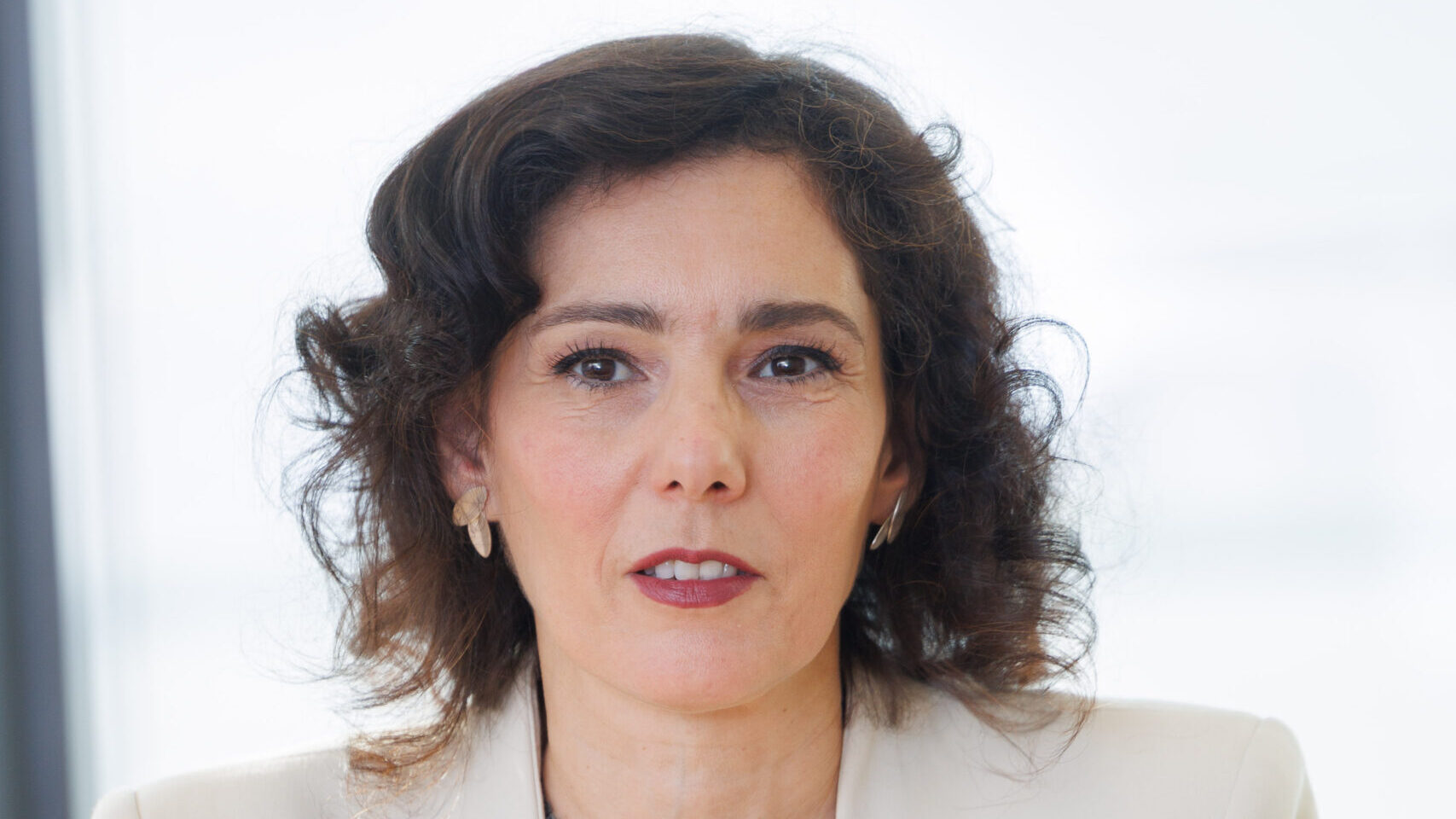
European Commissioner for Preparedness, Crisis Management and Equality, Hadja Lahbib, has reiterated the significance of the 72-hour survival kit initiative she introduced last month, amidst criticism over its communication. Lahbib emphasized the growing frequency and unpredictability of crises, citing the recent energy crisis affecting Spain and Portugal as a stark reminder of the need for individual preparedness. This blackout, described by Lahbib as "the most serious in Europe in the last two decades," underscored her argument for citizens to be self-sufficient during the initial hours of a crisis, when emergency services might be overwhelmed. The Commissioner stressed that this preparedness strategy extends beyond natural disasters to encompass emerging threats such as cyberattacks, supply chain disruptions, and technological vulnerabilities.
A core element of Lahbib’s message focuses on the critical role of information management during crises. She highlighted the dangers posed by the rapid spread of rumors and misinformation, arguing that such disinformation hinders effective institutional responses and fuels societal uncertainty. Combatting this “infodemic” is paramount, according to the Commissioner, who underscored the necessity of clear, inclusive, and timely communication both before and during a crisis. The European Commission is actively developing public awareness campaigns and leveraging technologies like the Galileo system to disseminate direct alerts to citizens, enhancing communication efficiency and accuracy.
Lahbib’s emphasis on disinformation management aligns with the EU’s recent digital policy initiatives, including the Digital Services Act (DSA) and the Critical Entities Resilience Directive. These regulations aim to strengthen the responsibilities of online platforms in monitoring, restricting, and removing content deemed false or potentially harmful. While presented as necessary measures to counter disinformation and protect public safety, these legislative efforts have raised concerns regarding potential censorship and limitations on freedom of expression under the guise of security. Critics argue that the breadth of these regulations could be exploited to suppress dissenting voices and restrict the flow of information during critical moments.
Beyond material preparedness, Lahbib emphasized the importance of community resilience, advocating for increased social cohesion and mutual support during emergencies. She stressed the value of knowing one’s neighbors, particularly those with vulnerabilities or disabilities, promoting a sense of collective responsibility within communities. This focus on community preparedness underscores the EU’s broader strategy of fostering resilience at all levels, from the individual to the national and supranational.
The EU’s comprehensive crisis management strategy also emphasizes inter-Member State cooperation, facilitating the sharing of best practices and coordinating efforts during times of crisis. This collaborative approach aims to maximize resource utilization and optimize response effectiveness across borders. However, some experts express concerns about the increasing centralization of crisis management and the expanding control over public information, potentially leading to a silencing of diverse perspectives during crucial moments. This raises questions about the balance between coordinated action and the preservation of democratic principles, including freedom of expression and access to information.
As crises become more complex and interconnected, the EU is grappling with the challenge of effectively preparing its citizens while upholding fundamental rights. The interplay between security and freedom of expression remains a delicate balancing act, requiring careful consideration and transparent implementation of policies. The 72-hour kit, while representing a practical element of individual preparedness, has also become a symbol of this broader debate on how to navigate the intricacies of crisis management in an increasingly uncertain world. The effectiveness of the EU’s approach will depend on its ability to foster resilience while safeguarding fundamental freedoms, ensuring that preparedness measures do not inadvertently erode the very values they seek to protect.