


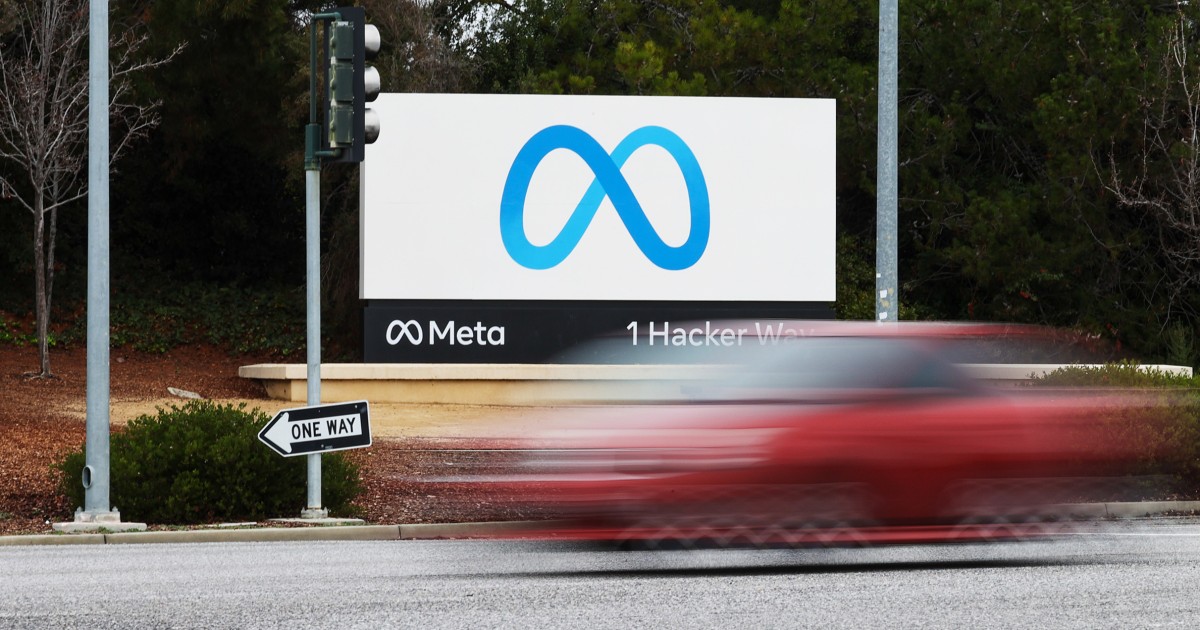
Meta Ends Fact-Checking, Sparking Concerns About Misinformation
Meta, the parent company of Facebook and Instagram, has announced the termination of its fact-checking program, a move that has ignited a firestorm of criticism from researchers, academics, and advocacy groups. The decision, which CEO Mark Zuckerberg attributes to a desire to reduce “censorship” and “restore free expression,” follows a similar shift at Elon Musk’s X (formerly Twitter). Critics argue this decision marks a dangerous turning point in the fight against online mis- and disinformation, potentially leading to a more chaotic and unreliable social media environment. Zuckerberg’s justification echoes a growing narrative, primarily championed by conservatives, that frames content moderation efforts as partisan censorship rather than a necessary public service. This narrative has gained significant traction in recent years, fueled by accusations of bias against conservative viewpoints on social media platforms.
The elimination of fact-checking coincides with Meta loosening restrictions on content related to politically sensitive topics such as immigration, transgender issues, and gender identity. This relaxation of rules, announced by Meta’s chief global affairs officer Joel Kaplan on Fox News, has raised particular concerns among experts who fear it may embolden hateful rhetoric and harassment. Analysis of Meta’s updated policy guidelines reveals they now explicitly permit users to label others as mentally ill based on their gender identity or sexual orientation, a change that has been met with widespread condemnation. This combination of ending fact-checking and loosening content restrictions appears to signal a significant shift in Meta’s approach to content moderation, prioritizing a more laissez-faire environment over efforts to combat misinformation and harmful content.
The timing of Meta’s announcement, shortly after Donald Trump’s presidential election victory, has fueled speculation about political motivations. Critics see the move as a capitulation to the incoming administration and a preemptive attempt to appease Trump and avoid potential regulatory scrutiny or investigations. This suspicion is further amplified by Trump’s own response, suggesting that Zuckerberg’s actions were likely a direct reaction to past threats made by the then-president-elect. The convergence of these events paints a picture of a company potentially bowing to political pressure, prioritizing its relationship with the incoming administration over its commitment to combating misinformation. This perception is reinforced by the fact that Meta simultaneously donated a substantial sum to Trump’s inauguration and promoted Joel Kaplan, an individual with strong Republican ties, to a more influential position within the company.
Meta’s fact-checking program, launched in 2016 in response to criticism about the platform’s role in spreading fake news during the presidential election, had been a cornerstone of the company’s efforts to address misinformation. Zuckerberg himself had repeatedly emphasized the importance of these efforts, even publicly criticizing Trump for inciting the January 6th Capitol attack. However, the program became a target of partisan attacks, with Republicans accusing the platform of bias against conservative viewpoints. Despite research indicating that conservatives were more likely to share misinformation, thereby triggering content moderation policies, the narrative of anti-conservative bias took hold. This narrative gained further momentum with the release of the “Twitter Files,” which alleged collusion between government agencies, researchers, and social media companies to censor conservatives, leading to increased political pressure on platforms like Meta.
The dismantling of Meta’s fact-checking program comes in the wake of other actions by the company that have raised concerns about transparency and access to data. In 2021, Meta quietly disbanded the team behind CrowdTangle, a tool used by researchers and journalists to track the spread of information on the platform. This move, coupled with the ending of the fact-checking program, limits the ability of independent observers to monitor and analyze the flow of information on Meta’s platforms. The chilling effect of this reduced transparency could hinder efforts to understand the spread of misinformation and hold the platform accountable for its impact on public discourse.
Meta has yet to provide detailed information on how it plans to replace its fact-checking program. Zuckerberg mentioned a system similar to X’s “community notes,” a crowdsourced moderation approach, but the specifics remain unclear. Experts express concerns about the potential for bias, manipulation, and the overall effectiveness of such a system, particularly without the support of professional fact-checkers. The lack of transparency surrounding this transition and the potential risks associated with relying on community notes raise serious questions about Meta’s commitment to combating the spread of misinformation. The company’s actions signal a potential prioritization of political appeasement and a more hands-off approach to content moderation, potentially exacerbating the already pervasive problem of online misinformation. Experts warn this could lead to a further erosion of trust in online information and a more fragmented and polarized public discourse.