


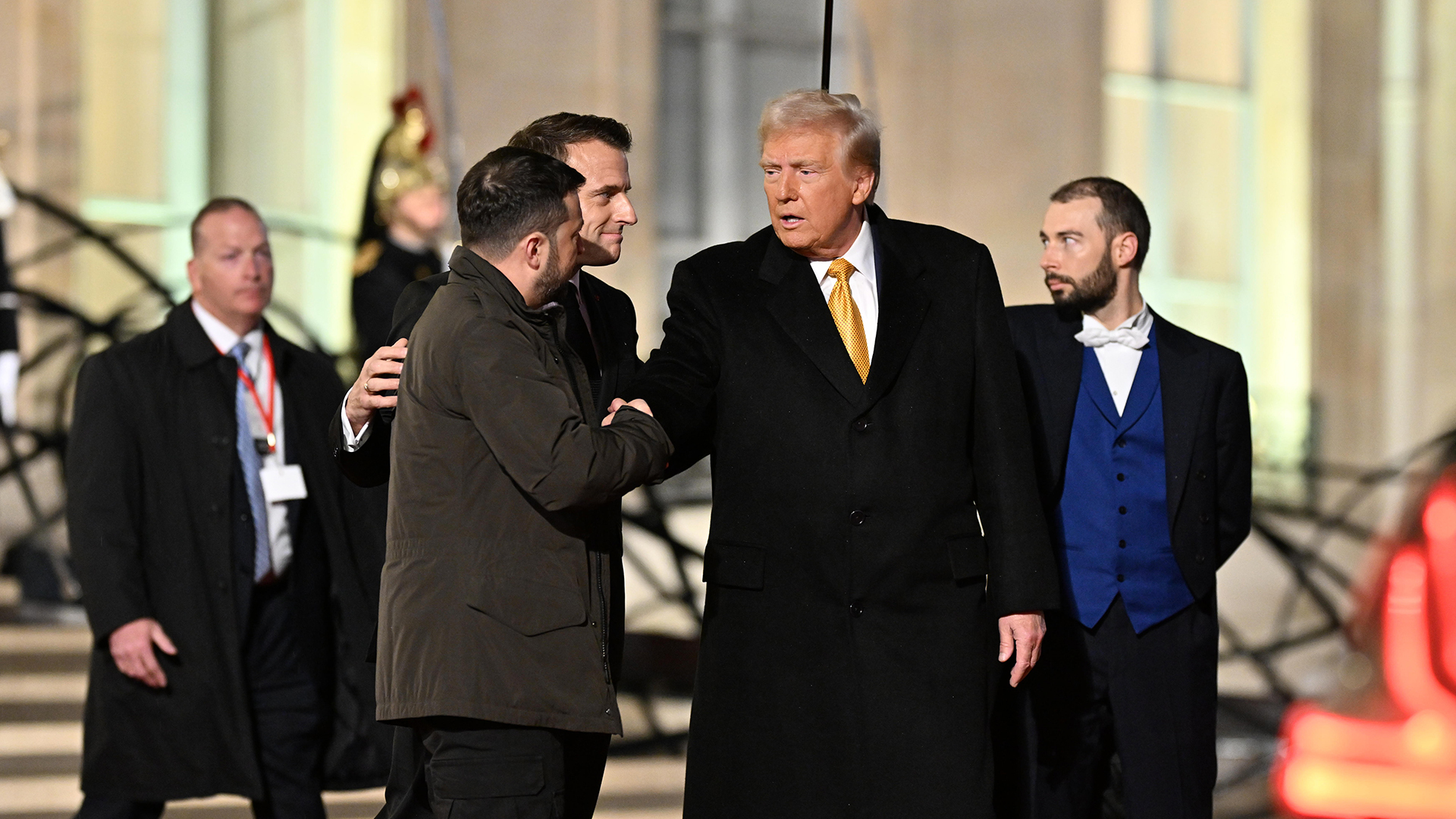
Trump’s Misplaced Blame and Zelenskyy’s Diplomatic Rebuke: A Transatlantic Clash Over the Ukraine War
Former US President Donald Trump’s recent assertions regarding the origins of the war in Ukraine have ignited a firestorm of controversy, drawing sharp criticism from Ukrainian President Volodymyr Zelenskyy and further complicating the already tangled web of international relations surrounding the conflict. Trump’s claim, made during an informal press gathering, placed the blame for the war squarely on Ukraine, suggesting they "should have never started it" and should have "made a deal." This statement not only contradicts the widely accepted narrative of Russia’s unprovoked invasion but also raises concerns about the former president’s understanding of the geopolitical landscape. Zelenskyy, while maintaining a diplomatic tone, countered Trump’s remarks by suggesting the former US president resides in a "space of disinformation" and expressed hope for a "clearer understanding" of the situation from Trump and his associates.
The timing of Trump’s comments is particularly poignant, falling almost three years to the day after Russian President Vladimir Putin’s deceptive assurances that the massive troop buildup on Ukraine’s border posed no threat of invasion. This deception, shattered by the brutal reality of the February 24, 2022, invasion, underscores the precarious nature of relying on pronouncements from the Kremlin. Trump’s narrative, echoing some of the Kremlin’s talking points, raises questions about the influence of disinformation and the potential implications for future peace negotiations. The divergence in perspectives between Trump and Zelenskyy, two key figures in this geopolitical drama, highlights the deep divisions and challenges in finding a path towards resolution.
Zelenskyy’s diplomatic response, while measured, carries a weight of implicit rebuke. By suggesting Trump occupies a "space of disinformation," he subtly challenges the former president’s grasp of the facts surrounding the conflict. This gentle yet firm pushback underscores the Ukrainian leader’s commitment to upholding the truth about his country’s plight in the face of misleading narratives. Zelenskyy’s call for a "clearer understanding" is not merely a plea for accuracy; it is a call for accountability and a recognition of the dangers posed by misinformation in the context of international conflict. The contrasting approaches of Trump’s blunt accusations and Zelenskyy’s measured diplomacy reveal the stark differences in their communication styles and their respective positions on the war.
Adding another layer to the controversy, Trump also implicated NATO in the outbreak of hostilities, a stance that received unexpected praise from the Russian Foreign Ministry. This alignment of views between a former US president and the Russian government further muddies the waters and raises questions about the complexities of international alliances and their roles in conflict resolution. NATO, a defensive alliance composed of 32 democratic nations, operates on the principle of voluntary membership, with each applicant undergoing a rigorous acceptance process. The notion that NATO somehow coerced or instigated the conflict contradicts the alliance’s fundamental principles and its historical role as a bulwark against aggression.
As discussions about potential peace negotiations gain momentum, Ukraine has firmly asserted its refusal to accept any agreement it did not help create. Zelenskyy’s decision to postpone his visit to Saudi Arabia, intended to avoid lending credence to the US-Russia talks held there, underscores Ukraine’s determination to maintain agency in its own destiny. While he remains committed to engaging with US envoy General Keith Kellogg, Zelenskyy’s actions signal a clear message: Ukraine will not be sidelined in the process of determining its own future. This firm stance emphasizes the importance of Ukrainian participation in any meaningful peace process and highlights the potential pitfalls of excluding key stakeholders from negotiations.
The unfolding situation presents a complex and ever-evolving landscape. The divergent narratives, diplomatic maneuvers, and clashing perspectives underscore the challenges in achieving a peaceful resolution to the Ukraine war. As the story continues to unfold, with multiple actors pursuing different agendas, the need for accurate information and clear communication becomes paramount. The ongoing dialogue, disagreements, and diplomatic efforts highlight the intricate interplay of international relations and the delicate balance required to navigate the path towards peace in a world marked by conflict and competing interests.