








Paragraph 1: The Emergence of a Viral Fabrication Targeting Australian Politics
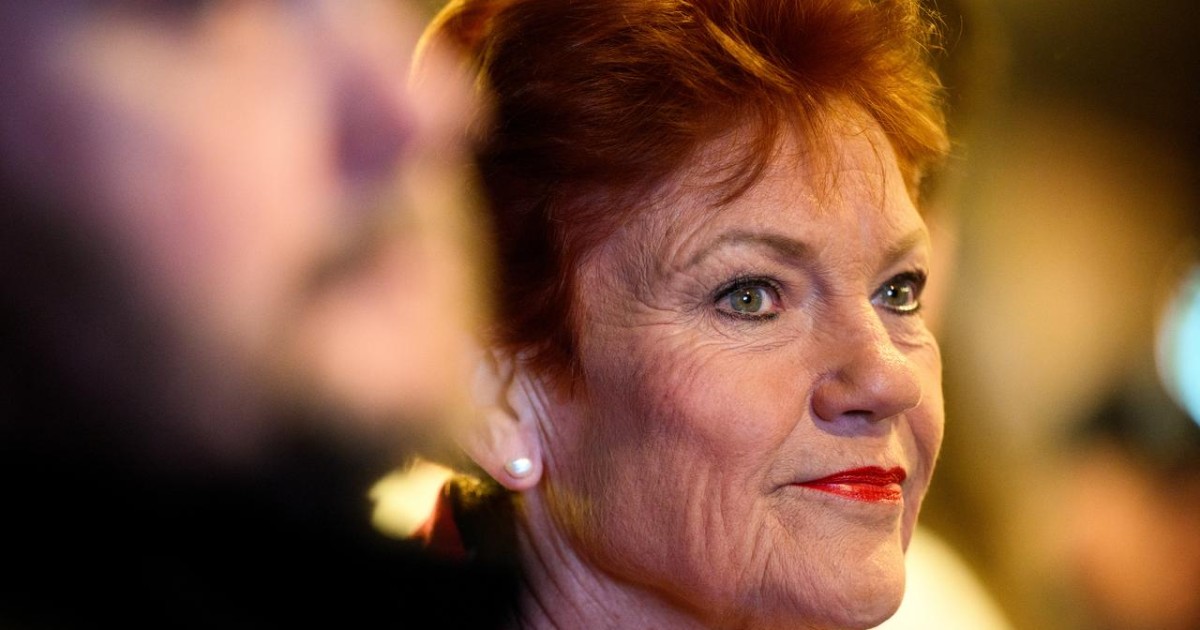
A sophisticated and rapidly spreading disinformation campaign has falsely claimed that Australian Senator Pauline Hanson funded a viral television documentary titled “Seeking the Truth, Finding Justice,” which purportedly exposes allegations against high-profile figures. According to the deceptive posts circulating across numerous social media platforms, Senator Hanson allegedly contributed $246,000 to the production, which supposedly amassed over 2.5 million views within a mere twelve hours of its release. However, a comprehensive investigation by AAP FactCheck, an accredited member of the International Fact-Checking Network, has categorically determined these claims to be entirely false. There is absolutely no record of this documentary existing on any legitimate platform, nor is there any mention of it across the official social media channels of Pauline Hanson or her political party, One Nation. This fabrication represents yet another sophisticated attempt by foreign-run disinformation pages to manipulate Australian public opinion and sow discord within the political landscape, exploiting the polarizing nature of Senator Hanson’s public persona and her contentious political stances to generate engagement, clicks, and potentially harmful misinformation.
Paragraph 2: Deconstructing the False Documentary and Its Phantom Evidence
The core claim revolves around the alleged existence of a documentary special that has, according to the fabricators, achieved unprecedented virality. The fabricated narrative asserts that “Seeking the Truth, Finding Justice” was strategically released ahead of a major legal proceeding, laying the groundwork for what is described as a substantial lawsuit involving eleven high-profile figures. The posts go further, specifically naming Senator Fatima Payman as the first expected target of this supposed legal crusade. Yet a meticulous search of the internet yields zero results for a documentary bearing this title connected to Senator Hanson or One Nation, completely undermining the credibility of the viral claim. The fabrication is not a one-off incident but rather part of a recurring pattern of disinformation that has previously attributed the same $246,000 funding to figureheads such as Tom Hanks, Whoopi Goldberg, and even a relative of Pope Leo XIV, all purportedly for a documentary with the identical name. This reusing of specific monetary figures, titles, and structural narratives reveals a standardized template used by disinformation networks to adapt their false stories to different political contexts, demonizing various public figures depending on current zeitgeist or political events.
Paragraph 3: The Vietnam-Based Network and the Tactics of Deception
The mechanics of this disinformation campaign reveal a highly coordinated effort originating from foreign operatives. Pauliane Hanson’s name was linked to this fake story more recently, apparently deceiving numerous Australian social media users who lack the time or inclination to verify sensational claims. A close examination of the Facebook pages responsible for spreading this falsehood exposes that they are actively managed by individuals located in Vietnam, with Facebook’s own transparency details confirming this international connection. The page ‘Civic Lens’ posted the viral falsehood, featuring a composite image of Senator Hanson alongside Senator Payman, cleverly designed to visually connect the two politicians and bolster the fabricated storyline. In a standard tactic of such operations, the post includes a link in the comments section that directs unsuspecting users to an external website that expands upon the false narrative, likely serving purposes ranging from ad revenue generation to data harvesting or further radicalization of readers. A nearly identical post was published by another page called ‘365 Daily News’, which is also managed by users in Vietnam, indicating a synchronized network of pages working in concert to amplify the same disinformation across different segments of the Australian Facebook ecosystem.
Paragraph 4: The Amplification Network and the Exploitation of Political Tensions
The spread of this particular piece of disinformation cannot be viewed in isolation, as at least eight separate foreign-run pages have been identified as posting the false claims about Pauline Hanson and Senator Fatima Payman. Pages identified as ‘Southern Frame Daily’, ‘Open Diary’, ‘The Daily Brief’, ‘TV & Celebrities’, ‘Veridox Press’, and ‘Mood Space’ have all been implicated in propagating this fabricated narrative, signifying a coordinated, cross-page amplification strategy. This network of fake news pages strategically selects politically sensitive and emotionally charged targets to maximize engagement. Senator Hanson, with her history of controversial statements and strong political opinions, presents an ideal target for such manipulation, and pairing her with Senator Payman—herself a figure of recent political turbulence, having left the Labor Party and sitting on the crossbench—amplifies the potential for outrage and viral spread. The fabricated story that the documentary will trigger a lawsuit against eleven elites and “lock in” Senator Payman as Target No. 1 taps into deep-seated public anxieties about corrupt elites and political conspiracies, weaponizing these fears against the Australian democratic process.
Paragraph 5: The Broader Context of Foreign-Led Disinformation in Australia
The exposure of this disinformation campaign highlights a persistently growing threat to Australian democracy through sophisticated foreign information operations. Senator Hanson has become a frequent topic for these foreign-run disinformation pages, as AAP FactCheck has routinely debunked numerous similar false claims involving her and other Australian politicians, indicating a deliberate strategy by these international networks to exploit Australian political divisions. The sophistication of the operations lies in their ability to seemingly blend real political facts with completely fictional narratives—using the real public profiles of politicians like Senator Hanson and Senator Payman and placing them within entirely invented scenarios involving massive financial sums, viral documentaries, and impending lawsuits. This blending makes the disinformation particularly difficult to identify for the average social media user and increases its potential to be shared widely before being flagged or debunked. The involvement of operators based in Vietnam and other foreign locations demonstrates that these efforts are not organically growing out of Australian political discourse but are deliberately manufactured and seeded from abroad, potentially by actors aiming to destabilize Western democracies or simply seeking financial gain through viral ad revenue schemes.
Paragraph 6: The Imperative of Rigorous Fact-Checking and Media Literacy
The complete absence of any legitimate evidence supporting the existence of the claimed documentary on Google searches or on One Nation’s official communication channels leaves no doubt that this is a wholly fabricated story. The false claims are now being actively rejected by credible fact-checking organizations, yet the damage from such viral misinformation can persist long after the correction has been published. This incident reinforces the indispensable need for rigor in fact-checking journalism and the public’s responsibility to critically evaluate sensational claims, especially those that appear on social media and target recognizable political figures. The fact that the pages spreading this narrative are managed from Vietnam but targeting Australian politics showcases a borderless disinformation ecosystem where foreign actors can manipulate domestic discourse with comparative ease. As such operations become more refined and increasingly capable of evading detection, the promotion of robust media literacy skills among the Australian public becomes a vital defensive mechanism against the erosion of trust in democratic institutions and the fuel of political polarization. The AAP FactCheck accreditation underscores ongoing efforts to provide the public with verified information, combatting fake stories that threaten political stability, and highlighting the persistent necessity of questioning viral claims before accepting their validity.


