


Kremlin’s Nuclear Saber-Rattling: A Propaganda Ploy, Not a Credible Threat, Analysts Say
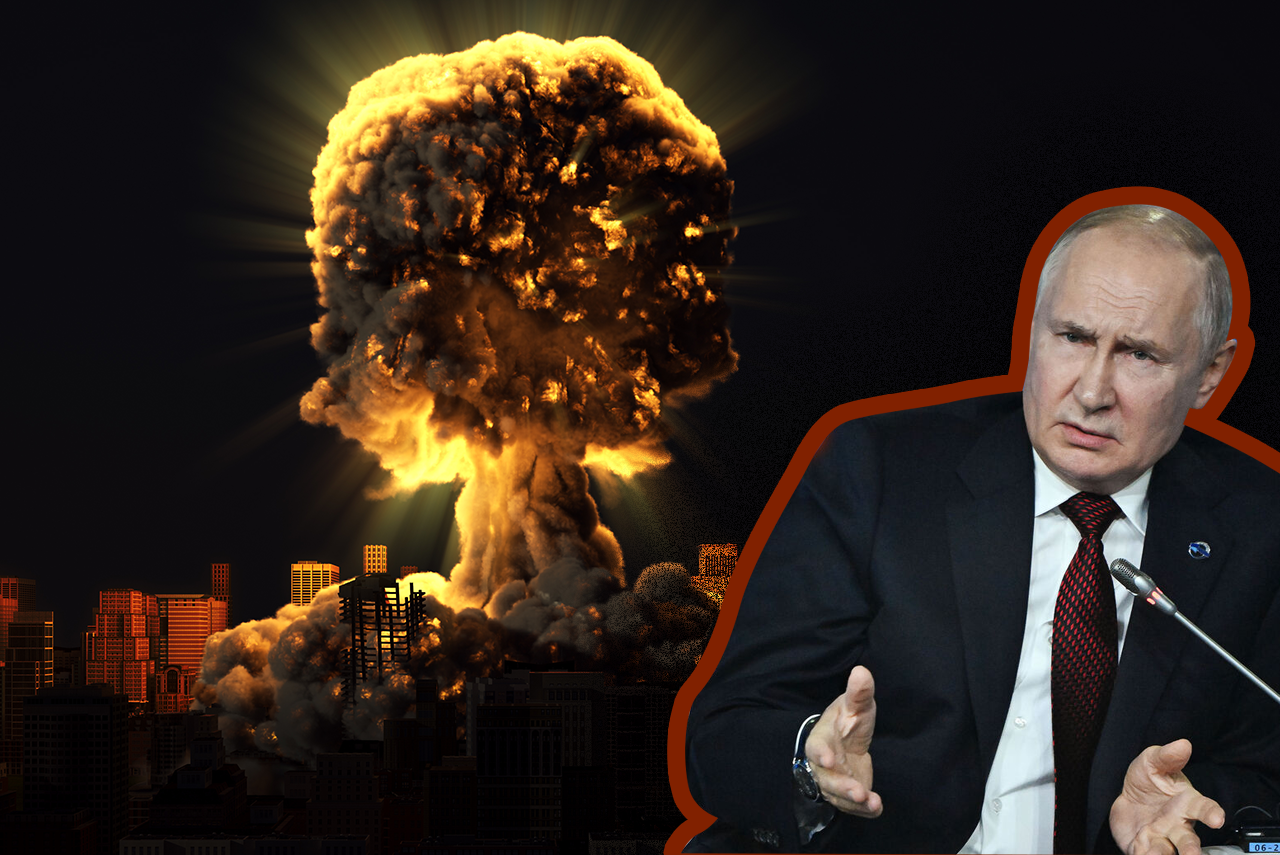
Kyiv, Ukraine – As tensions between Russia and the West continue to escalate over the ongoing conflict in Ukraine, the specter of nuclear war has once again been raised. Recent pronouncements from Moscow, hinting at the potential use of nuclear weapons, have sparked widespread concern and fueled a flurry of media coverage. However, Ukrainian military expert Ivan Kovalenko argues that this rhetoric is nothing more than a calculated propaganda tactic designed to sow fear and achieve Russia’s objectives without resorting to actual military escalation. In a Telegram post, Kovalenko dismissed the Western media’s focus on the nuclear threat as playing directly into the Kremlin’s hands, characterizing it as a component of Russia’s long-standing strategy of leveraging fear to manipulate public opinion and exert influence.
Kovalenko asserts that the narrative surrounding a potential Russian nuclear strike serves only to amplify public anxiety, while the actual likelihood of such an action remains extremely low. He contends that even the mere suggestion of using nuclear weapons carries significant detrimental consequences for Russia, isolating it further on the global stage. The international community overwhelmingly condemns the use of nuclear weapons, and Russia’s reliance on energy exports makes it particularly vulnerable to economic repercussions resulting from such a drastic move. Any action that further alienates its remaining trading partners would be disastrous for the Russian economy.
The IAEA, meanwhile, has expressed grave concerns about the precarious state of nuclear safety in the region. Following a recent visit to Kyiv, IAEA Director General Rafael Grossi emphasized the persistent and very real threats to nuclear facilities in Ukraine. While he did not specifically address the rhetoric emanating from Moscow, his assessment underscores the inherent dangers of operating nuclear power plants amidst an active conflict zone. The potential for accidental damage or intentional sabotage remains a constant worry, with potentially catastrophic consequences for the region and beyond.
Kovalenko’s assessment aligns with the views of several other analysts who see the Kremlin’s nuclear posturing as primarily a bluff designed to deter Western intervention and maintain a semblance of leverage in the ongoing conflict. Russia’s conventional military forces have struggled to achieve their objectives in Ukraine, and the threat of nuclear escalation may be an attempt to compensate for this weakness. By raising the specter of nuclear war, the Kremlin seeks to project an image of strength and resolve, hoping to intimidate its opponents and discourage further military aid to Ukraine.
However, this tactic carries significant risks. The repeated invocation of nuclear weapons desensitizes the public to the very real dangers they pose, potentially making their eventual use more likely. Furthermore, such rhetoric could escalate tensions to a point where miscalculation or accident could lead to unintended consequences. The international community must remain vigilant in monitoring the situation and working to de-escalate tensions, while simultaneously holding Russia accountable for its irresponsible and dangerous rhetoric.
While the immediate threat of a Russian nuclear strike may be low, the underlying concerns about nuclear safety and the potential for escalation remain paramount. The international community must continue to engage in diplomatic efforts to resolve the conflict and prevent a catastrophic nuclear incident. It is crucial to prioritize de-escalation and dialogue, while also maintaining a firm stance against Russia’s aggressive actions and its dangerous rhetoric. The world cannot afford to become complacent about the nuclear threat, even if it is primarily a propaganda tool. The stakes are simply too high.