


Trump Administration Shuts Down State Department’s Disinformation Office, Citing Censorship and Waste
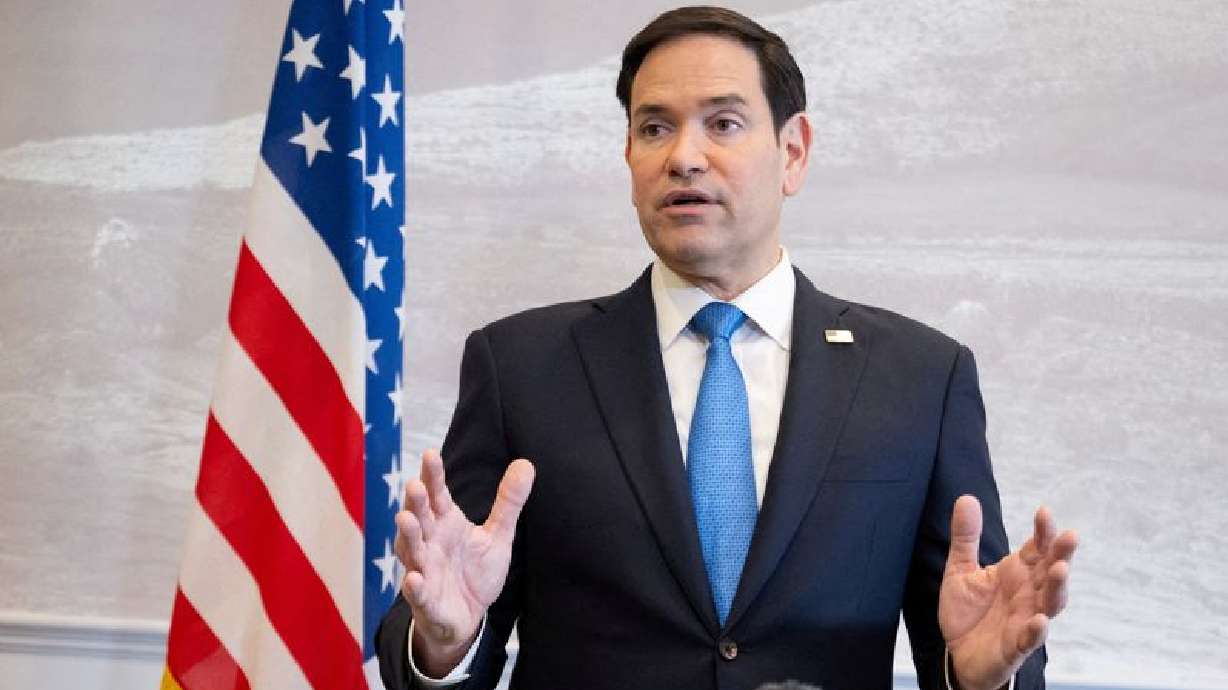
WASHINGTON – In a move sparking controversy and concern, Secretary of State Marco Rubio announced the closure of the State Department’s office tasked with combating foreign disinformation. Rubio accused the office, formerly known as the Global Engagement Center (GEC) and later reorganized as R/FIMI, of censorship and wasteful spending of taxpayer money, exceeding $50 million annually. This decision marks a significant shift in the U.S. government’s approach to countering foreign influence operations, particularly from adversaries like Russia and China.
The GEC, established in 2016 under the Obama administration, had been a frequent target of criticism from some Republicans, who alleged it unfairly targeted conservative media outlets. These accusations intensified during the Trump administration, culminating in Rubio’s decision to shut down the office permanently. Supporters of the GEC, including Democratic lawmakers and some Republicans, argued that the center played a crucial role in combating disinformation campaigns, particularly those originating from Russia and China. They expressed concerns that dismantling the office would leave a void in the information space, allowing adversaries to propagate anti-American propaganda unchecked.
Central to the controversy is the debate surrounding censorship. Rubio accused the GEC of actively silencing American voices, echoing concerns raised by figures like Elon Musk, a close Trump ally. Musk had previously labeled the center "the worst offender" in government censorship and media manipulation. Rubio, however, did not provide specific details to support his claims of censorship. While acknowledging the prevalence of disinformation in mainstream media, Rubio argued that countering falsehoods with factual information was a more appropriate approach than government intervention that risked suppressing free speech.
The decision to shut down the disinformation office comes amid a broader push by the Trump administration to shrink the federal government, resulting in thousands of job losses and the dismantling of agencies like USAID. This downsizing effort, championed by Trump and his allies, is presented as a cost-saving measure and a corrective to perceived government overreach. Critics, however, argue that these cuts undermine vital government functions and leave the U.S. vulnerable to external threats.
The closure of the GEC has drawn sharp criticism from Democrats, who argue that it weakens the U.S.’s ability to counter foreign propaganda. Senator Jeanne Shaheen, the top Democrat on the Senate Foreign Relations Committee, expressed deep concern that dismantling the office would cede the global information space to adversaries like Russia and China. She criticized the Trump administration for jeopardizing national security by prioritizing budget cuts over strategic communication and counter-disinformation efforts.
The GEC’s history reflects the evolving political landscape surrounding disinformation. During its existence, the center released reports on Russian disinformation campaigns and played a role in countering foreign interference in U.S. elections. However, it also became embroiled in legal challenges, with lawsuits filed by conservative media outlets alleging censorship and unfair targeting. The future of U.S. efforts to counter foreign disinformation remains uncertain in the wake of the GEC’s closure. The debate over the appropriate role of government in combating disinformation, and the balance between national security and free speech, continues to be a contentious issue in American politics.