


The Erosion of Democratic Support Among Latino Voters: A Deep Dive into the Information War
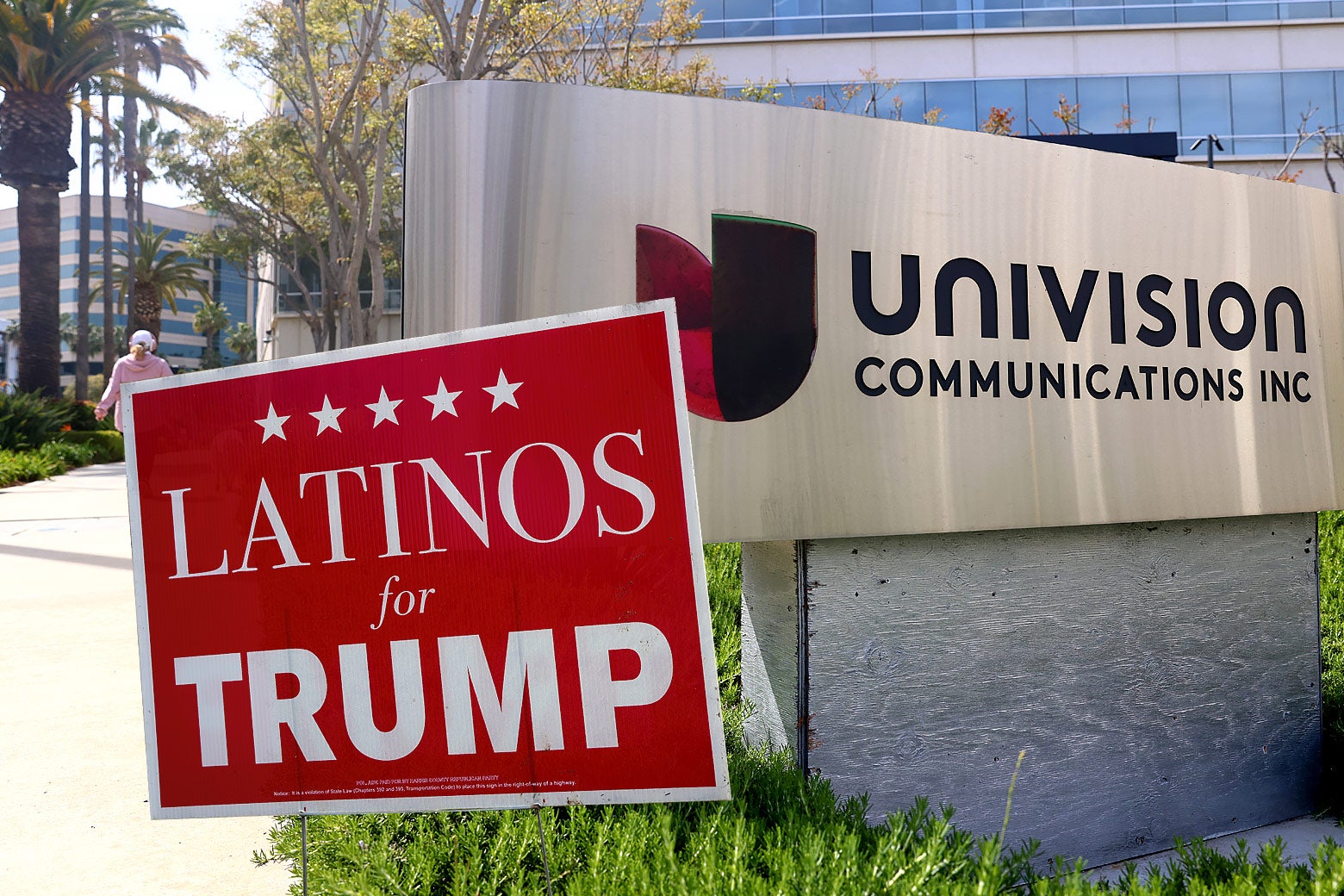
The 2024 election cycle witnessed a concerning shift in Latino voting patterns, with a notable swing towards Donald Trump in traditionally Democratic strongholds like Reading, Pennsylvania. While various factors contributed to this shift, including economic anxieties and concerns over immigration, the influence of a sophisticated Spanish-language right-wing propaganda machine deserves particular attention. This machinery exploited vulnerabilities within the Latino community, disseminating disinformation on social media, radio, and even within personal communication channels like WhatsApp. This targeted campaign successfully sowed distrust in the Democratic Party and promoted a narrative aligned with Republican interests.
The Republican Party’s investment in Spanish-language outreach exposed a critical gap in the Democratic Party’s communication strategy. While Democrats acknowledge the information deficit, their efforts to counter the right-wing narrative have been insufficient. Attempts to establish trustworthy Spanish-language media platforms and engage with Latino communities through WhatsApp have been outpaced by the sheer volume and reach of the misinformation campaign. The case of Radio Mambí, a Spanish-language radio station acquired by a Democratic-aligned media conglomerate, exemplifies this challenge. Instead of moderating its conservative stance, the station’s programming became even more pro-Trump after the takeover.
Attributing the shift in Latino voting patterns solely to misinformation, however, would be a simplistic and inaccurate analysis. The Latino community is incredibly diverse, encompassing a wide range of ethnicities, nationalities, and political ideologies. Generalizing their concerns and motivations overlooks the complexities of their lived experiences. Republicans, understanding this diversity, have effectively micro-targeted specific segments of the Latino electorate with tailored messages addressing their particular anxieties, further emphasizing the Democratic Party’s strategic shortcomings.
The proliferation of disinformation isn’t limited to Spanish-language media. Misinformation campaigns targeting various ethnic groups have been observed in multiple languages, including Mandarin, Vietnamese, Korean, Hindi, Arabic, Hebrew, and Haitian Creole. These campaigns, often echoing Republican talking points, exploit existing fears and prejudices within these communities. False narratives about Democrats promoting communism, endangering children, or supporting violence against specific groups have gained traction, influencing voting decisions. The scale of this disinformation ecosystem, ranging from physical propaganda materials to online content, highlights the magnitude of the challenge.
The accessibility of non-English speaking communities through various media platforms has made them particularly vulnerable to targeted misinformation campaigns. Lax regulations on foreign-language telecommunications, the encrypted nature of messaging apps like WhatsApp, and the historical under-resourcing of foreign-language content moderation on social media platforms have created a fertile ground for the spread of disinformation. These factors, combined with the relative isolation of some non-English speaking communities due to language barriers and socioeconomic factors, have enabled malicious actors to operate with relative impunity.
The Democratic Party must recognize the urgent need for a comprehensive and multi-faceted approach to counteract the influence of right-wing disinformation. Simply translating existing messaging into other languages is insufficient. A successful strategy requires deep engagement with diverse communities, understanding their concerns, building trust, and tailoring messages to resonate with specific cultural and linguistic nuances. Investing in robust foreign-language media platforms, strengthening content moderation on social media, and actively combating disinformation within closed communication channels like WhatsApp are crucial steps. Rebuilding a diverse and inclusive coalition requires a commitment to effective communication and genuine engagement across all linguistic and cultural divides.