


The Hidden Assault: How Spanish-Language Disinformation Swayed Latino Voters in 2024
The 2024 election witnessed a disconcerting shift in Latino voting patterns, with a notable swing towards Donald Trump in traditionally Democratic strongholds. While various factors contributed to this shift, including economic anxieties and immigration concerns, a less-discussed but potent force played a significant role: the pervasive spread of Spanish-language disinformation. This insidious campaign, amplified by a well-oiled right-wing media machine, successfully targeted Latino voters with fabricated narratives and conspiracy theories, ultimately influencing their choices at the ballot box.
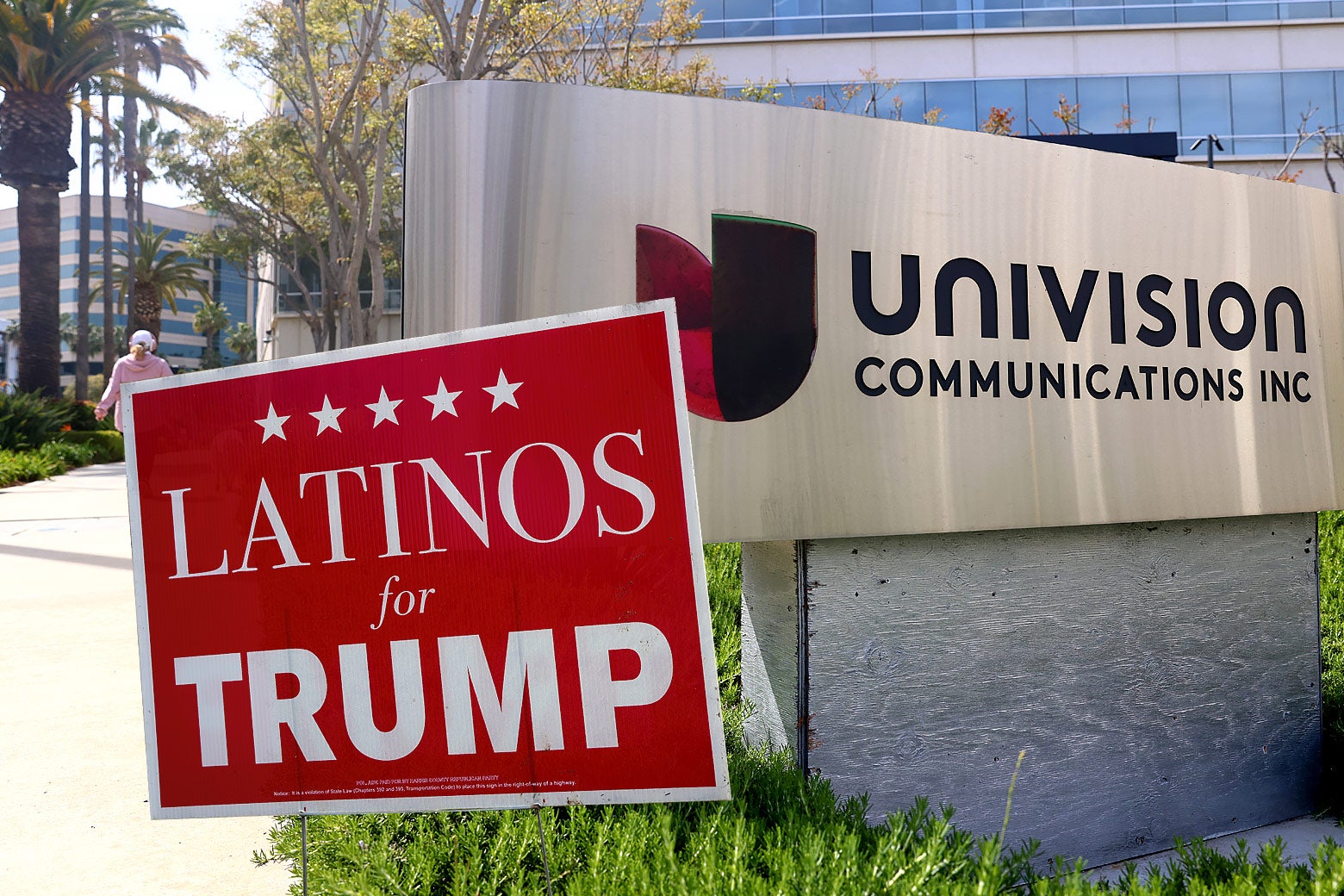
The right-wing ecosystem exploited the vulnerabilities within the Spanish-language media landscape. Social media platforms, often the primary source of information for many Latinos, became breeding grounds for disinformation regarding immigration and economic policies. Established media outlets like Univision, following a merger with Televisa, adopted a more conciliatory approach towards Trump, arguably prioritizing profit over journalistic integrity. This shift allowed the GOP to gain access to a wider Latino audience, disseminating their messaging through channels that had previously been more critical.
Beyond traditional media, the disinformation network extended its reach through other avenues. Popular Spanish-speaking conspiracists, aligned with Republican politics, leveraged platforms like YouTube and radio shows to disseminate their narratives. WhatsApp groups, frequently used by Latino communities to connect with family abroad, became conduits for the spread of misinformation. This multifaceted approach created an echo chamber of false narratives, effectively bypassing fact-checking mechanisms and reinforcing pre-existing anxieties.
While Democrats acknowledged the threat of Spanish-language disinformation, their efforts to counter it proved inadequate. Attempts to establish trustworthy Spanish-language websites and WhatsApp channels failed to gain traction, while the acquisition of conservative radio stations, like Radio Mambí, backfired, leading to even more pro-Trump programming. These shortcomings highlighted a critical gap in the Democratic strategy, a failure to effectively engage with and counter the narratives circulating within the Latino community.
It would be simplistic to attribute the shift in Latino voting patterns solely to disinformation. The Latino community is incredibly diverse, encompassing individuals from various national origins, socio-economic backgrounds, and political ideologies. Republicans cleverly capitalized on this diversity, tailoring their messaging to specific Latino subgroups and engaging directly with communities in their native language. This targeted approach proved more effective than the Democrats’ broader, less nuanced outreach.
The success of this disinformation campaign underscores a broader vulnerability within the American electorate. Similar tactics were employed to target other non-English speaking communities, including South Asian, East Asian, Arab, and Haitian Americans. Disinformation, spread through various languages and platforms, exploited anxieties surrounding issues like election integrity, communism, and child safety. This widespread dissemination of false narratives highlights the urgent need for more robust strategies to combat disinformation and protect the integrity of the democratic process.
The proliferation of disinformation within non-English speaking communities exposes a critical weakness in the current media landscape. Foreign-language media outlets often lack the regulatory oversight applied to English-language media, leaving them vulnerable to manipulation. Encrypted messaging apps like WhatsApp, while facilitating community connection, also provide fertile ground for the unchecked spread of misinformation. Social media platforms, despite recent efforts, still struggle to effectively moderate content in languages other than English.
Addressing this vulnerability requires a multi-pronged approach. Strengthening regulations for foreign-language media, investing in media literacy programs within non-English speaking communities, and enhancing social media’s ability to moderate content across different languages are crucial steps. Furthermore, political parties must develop more sophisticated outreach strategies, engaging directly with these communities in their native languages and addressing their specific concerns. Failing to do so leaves them susceptible to manipulation by those who prioritize disinformation over truth.
Democrats, in particular, must learn from the Republicans’ success in engaging with diverse communities. This includes not only language accessibility but also a deeper understanding of the specific issues that resonate with these groups. Authentic engagement, coupled with effective counter-narratives and readily accessible factual information, is crucial to combating the spread of disinformation. Rebuilding trust and reclaiming lost ground requires a long-term commitment to building relationships and addressing the real anxieties that fuel the susceptibility to disinformation.
The rise of Spanish-language disinformation serves as a wake-up call, highlighting the urgent need for a more robust and comprehensive approach to safeguarding the integrity of information within diverse communities. Ignoring this vulnerability will have lasting consequences for the American political landscape, further eroding trust in democratic institutions and empowering those who seek to manipulate public opinion through deceit. Protecting the voices and votes of all Americans requires a collective effort to combat disinformation, promote media literacy, and ensure equitable access to reliable information, regardless of language.