








U of A, Library Team Up to Squash GLP-1 Misinformation
By Staff Writer, CTV News Edmonton
Published: [Date]
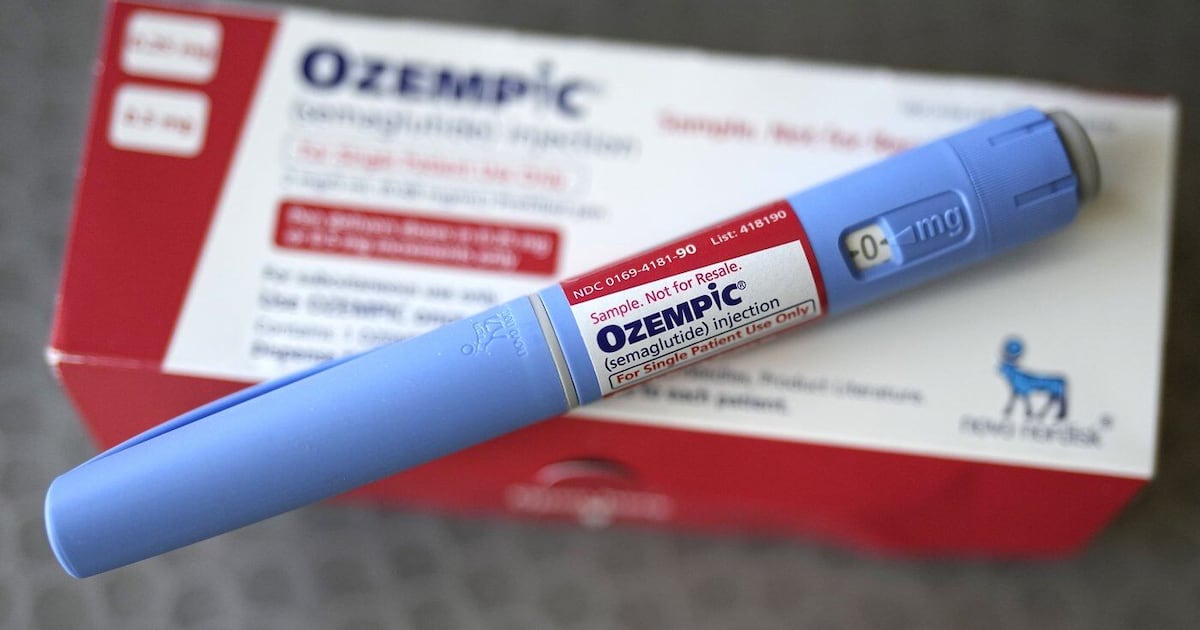
In an era where celebrity endorsements and social media trends often dictate public health decisions, the spread of misinformation regarding weight-loss and diabetes medications has reached a critical juncture. Drugs like Ozempic, Wegovy, and other GLP-1 receptor agonists have surged in popularity, transforming from prescription diabetes management tools into global phenomena for weight loss. However, this meteoric rise has been accompanied by a deluge of false claims, dangerous self-medication advice, and a general misunderstanding of how these powerful drugs actually work. In a novel and proactive response to this public health crisis, the University of Alberta (U of A) has joined forces with the Edmonton Public Library (EPL) to launch a unique initiative aimed at guiding the public through the murky waters of health information. This partnership, which merges academic rigor with community accessibility, seeks to provide citizens with the tools necessary to discern credible medical facts from potentially harmful viral trends. By embedding health literacy directly into the community’s public spaces, this collaboration represents a forward-thinking approach to modern public health challenges, ensuring that residents have a trusted, non-commercial space to get answers about these blockbuster drugs.
The initiative, spearheaded by researchers at the U of A’s Faculty of Pharmacy and Pharmaceutical Sciences, comes in response to an overwhelming number of queries received by healthcare professionals and librarians alike regarding GLP-1 medications. According to university experts, patients often walk into clinics with a cocktail of misconceptions gleaned from TikTok videos, influencer testimonials, and online forums. Some common myths include the belief that these drugs can facilitate “instant” weight loss without lifestyle changes, that they are “free passes” to eat whatever one wants, or that they cause irreversible muscle loss in all users. At the same time, librarians noted that many community members are hesitant to ask medical professionals directly, fearing judgment, or are simply unsure where to find reliable sources beyond the algorithmic echo chambers of social media. Recognizing the library as a neutral and trusted community hub—a place where people already go to learn—the partnership was designed to bridge the gap between high-level academic research and the practical, everyday questions of the general public.
At the heart of this collaboration are a series of “Health Literacy Pop-up Stations” and information sessions hosted at various EPL branches across the city. These stations are not static poster displays; rather, they are staffed by a rotating team of U of A pharmacy graduate students, professors, and clinical liaisons who are available to answer questions, debunk myths, and provide peer-reviewed resources. The instruction is comprehensive yet accessible—covering the biological mechanisms of GLP-1 drugs (mimicking the incretin hormone to regulate blood sugar and appetite), the distinction between medications intended for diabetes management versus chronic weight management, and the importance of medical supervision. Furthermore, the library has curated a specialized reading list and digital resource guide, available both physically and online, which includes reputable journal articles, government health agency guidelines, and carefully vetted consumer health books. This ensures that the resources remain available long after the pop-up stations have packed up, offering a continuous, reliable source of truth in the fight against medical misinformation.
What makes this partnership particularly effective is its focus on “information literacy” rather than simple symptom-checking. Dr. Elena Rodriguez, the lead researcher on the project, emphasized that the goal is not to act as a substitute for physicians but to empower citizens to become critical consumers of health information. In a digital landscape where a video of a celebrity discussing “the Ozempic side effects” can rack up millions of views in hours, teaching the public how to evaluate the credibility of a source is arguably as important as the medical information itself. The sessions include practical workshops on how to assess a scientific study, how to recognize conflicts of interest, and why an anecdote from an influencer is not data. By equipping Edmontonians with these skills, the U of A and the EPL are not just correcting current misinformation; they are inoculating the community against future waves of health-related falsehoods, from new miracle supplements to other emerging pharmaceutical trends.
The practical impact of this initiative is already being felt, with early feedback indicating that participants are leaving with a drastically altered understanding of the drugs. Users have reported that the sessions clarified the difference between the drugs’ on-label use for diabetes and the off-label prescriptions for obesity, as well as the potential side effects that are often minimized on social media, such as gastrointestinal distress, the risk of “Ozempic face” (facial volume loss), and the importance of tapering doses under medical supervision. Librarians running the EPL branches involved in the pilot program have noted a significant increase in foot traffic and engagement, reinforcing the idea that the public is hungry for reliable, judgment-free knowledge. The ability to ask a neutral expert a question without having to book a doctor’s appointment or suffer through a waiting room has been cited by many as a massive benefit, effectively democratizing access to cutting-edge pharmaceutical knowledge for those who might otherwise rely solely on a web search. In an age where “doing your own research” often means viewing a curated social media feed, the library provides a space to do the real, verified research.
Looking forward, the University of Alberta and the Edmonton Public Library plan to expand this pilot project into a permanent fixture, eventually extending to other health topics that are vulnerable to misinformation, such as childhood vaccines, menopausal hormone therapy, and mental health pharmaceuticals. This collaborative effort serves as a powerful model for other municipalities and academic institutions facing similar challenges. It proves that in the fight against misinformation, the prescription is not just a better drug, but a better-informed public. The partnership highlights a crucial shift in public health strategy: from merely providing care in clinical settings to embedding health education within the fabric of everyday community life. By making the library a cornerstone of medical clarity, they are ensuring that the citizens have a reliable sanctuary to process the overwhelming volume of health claims posed by the digital age, one fact-checked conversation at a time.


