




Ukraine Formally Urges Global Closure of ‘Russian Houses,’ Citing Disinformation and Espionage
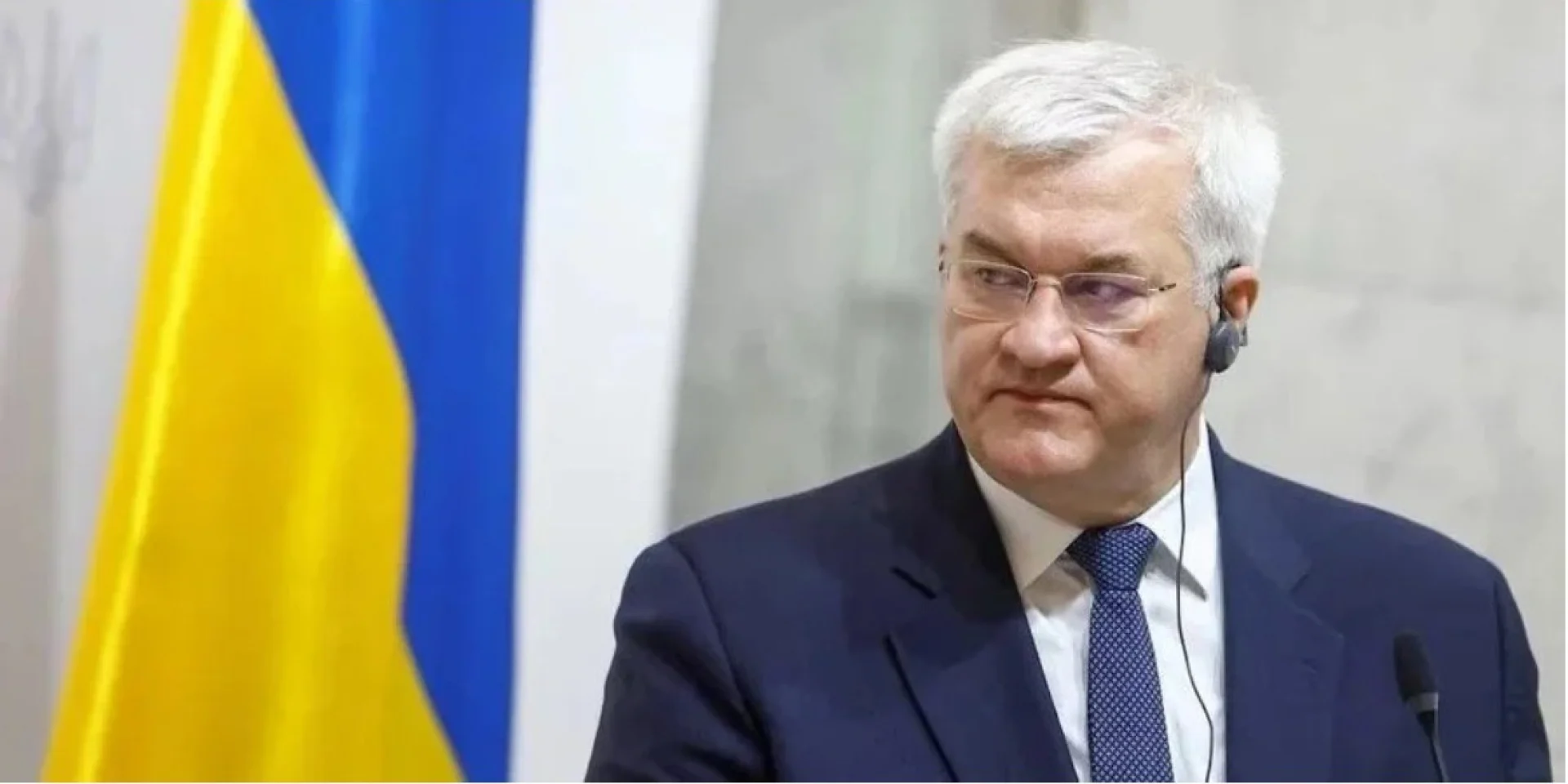
Ukraine has formally called on governments around the world to shut down the network of Russian cultural centers known as “Russian Houses,” escalating a diplomatic campaign against what Kyiv describes as a key instrument of Moscow’s covert influence operations. In a statement released on Thursday, Ukrainian Foreign Minister Andrii Sybiha said the centers, which operate under the umbrella of the Russian federal agency Rossotrudnichestvo, have moved far beyond their stated cultural mission to become active tools of disinformation, political destabilization, and espionage. “Russia is waging a global battle for people’s minds, using an extensive network of tools and channels, including Rossotrudnichestvo and cultural centers known as ‘Russian Houses.’ In practice, they serve as instruments of disinformation, destabilization and espionage,” Sybiha said. The appeal marks the most sweeping diplomatic effort yet by Ukraine to dismantle the infrastructure of Russian soft power, which Kyiv considers inseparable from the Kremlin’s broader war effort — including its ongoing full-scale invasion of Ukraine.
The announcement lands against a backdrop of mounting concern among Western intelligence services about the reach of Russian influence operations. Russian Houses have operated for years in dozens of countries, presenting themselves as benign cultural hubs that promote Russian language, literature, and art. But since the beginning of Russia’s full-scale invasion of Ukraine in February 2022, these centers have come under far greater scrutiny. Western officials and intelligence agencies have documented a pattern of activities that go well beyond cultural exchange, including the dissemination of pro-Kremlin propaganda, efforts to foster anti-Western sentiment, and the recruitment of assets for intelligence purposes. Sybiha’s characterization of the network as a vector for “destabilization” and “espionage” reflects this broader security assessment. In his statement, the Foreign Minister explicitly welcomed recent measures taken by several European countries to curb the network’s activities and drew particular attention to the closure of a Russian House in Berlin on September 18. “After years of its harmful influence,” Sybiha said of the Berlin facility, emphasizing that this was a concrete outcome of growing official recognition regarding the threat the network poses.
Sybiha went further in his characterization of the centers’ role within the wider European security architecture, asserting that there is no place for them in the continental order. “There is no place in our common European home for ‘Russian Houses’ that spread war propaganda and actively work to undermine peace in Europe,” he stated, conflating the cultural centers with the broader information warfare strategy of the Kremlin. This marks an important departure from the earlier framing of the Russian Houses as an annoyance or a nuisance. Ukraine is now making a formal legal and political case that these institutions represent a tangible national security threat — not merely to Ukraine itself, but to European stability and to democracies worldwide. The Foreign Minister’s statement was notably impassioned, drawing a hard line between legitimate cultural exchange and weapons of political warfare, and coming from the top of Ukraine’s diplomatic hierarchy, this position is likely to resonate in capitals across the continent and beyond.
The context in which Ukraine is making its case is increasingly consequential. On August 21, the German magazine Spiegel reported that Germany could move to close the “Russian House” in Berlin after a drone attack on a Ukrainian aircraft in Leipzig. That incident, which Ukrainian officials described as an act of sabotage linked to Russian operatives, has dramatically accelerated the German public discussion about the true purpose of these cultural outposts. The report underscored growing impatience within the German government over what were long seen as marginal nuisance operations; the Leipzig incident transformed the issue into one of national security. When the Russian House in Berlin was formally closed the following month, it was seen in Kyiv as a victory and a direct validation of Ukraine’s persistent arguments. The closure was notable also because Germany had historically been hesitant to take such sweeping measures against the Russian cultural infrastructure, in part due to concerns over diplomatic reciprocity and the large presence of Russian-speaking residents in the country. Germany’s decision, therefore, has set an influential precedent for other European nations, signaling that the permissive environment in which these centers have operated is rapidly eroding.
According to Sybiha, however, the war against the Russian House network is far from over. He noted that the scale of the network’s activities remains substantial, even in Europe, where at least seven countries still host Russian disinformation centers operating under official protection. The Foreign Minister further underscored that in some states, the Russian House is integrated into Russia’s diplomatic infrastructure — meaning that the centers are not merely tolerated, but are effectively recognized as extensions of the Russian embassy or consulate. This coupling makes it more difficult for host governments to close them without triggering diplomatic crises. Outside of Europe, Sybiha said the network’s reach is even more extensive, spanning Africa, Central and East Asia, the Asia-Pacific region, and South America. These are regions where Russia has long cultivated relationships and where Russian media, linguistically and culturally, maintains a footing. In such countries, the Russian Houses are particularly concerning to Ukrainian officials because they are often far less scrutinized than their European counterparts, allowing Moscow a freer hand to shape public opinion, spread narratives about the war in Ukraine, and court political sympathizers.
Ukraine’s formal appeal to governments around the world is backed, albeit prescriptively, by what Kyiv says is a fully developed argument for restriction and closure. “Ukraine has formally appealed to governments around the world to recognize the national security threat posed by this network. We have presented arguments for restricting their activities and completely closing these centers,” Sybiha wrote, suggesting that the diplomatic effort will involve a coordinated push across multiple ministries and embassies. The timing of the appeal suggests a deliberate strategy to take advantage of the political momentum generated by recent events in Europe, particularly in Germany. Ukrainian diplomats have long maintained that Moscow’s kindergartens, schools, and cultural events organized by Russian Houses are fronts for clandestine activities. Now, they are seeking to shift the global standard from skepticism to outright refusal. Whether the broader international community — including countries in Asia, Africa, and Latin America with close ties to the Kremlin — will comply remains an open question. But for Ukraine, this is a vital front in the broader war for international legitimacy, and the fight to close down these centers has now been placed squarely and formally on the diplomatic agenda of the global community.