


A Deep Dive into the Fabricated Scandal Targeting Ukrainian President Zelenskyy
A sophisticated disinformation campaign targeting Ukrainian President Volodymyr Zelenskyy has gained traction online, falsely alleging his involvement in a $1.2 billion embezzlement scheme. The campaign revolves around a fabricated article published on a website mimicking the British newspaper The Daily Telegraph, using deepfake audio and a misappropriated journalist’s photo to lend credence to the false narrative. This intricate web of deceit highlights the escalating use of advanced technology to spread disinformation and manipulate public opinion during times of conflict.
The heart of the disinformation campaign lies in an article published on a website calling itself the “London Telegraph.” This article alleges that an employee of Ukraine’s National Anti-Corruption Bureau (NABU), identified only as “Olena K,” fled to Europe with evidence implicating Zelenskyy in the misappropriation of funds to purchase luxury properties. However, NABU has confirmed that no such employee exists, and the described bank transfers are entirely fabricated. The article itself is attributed to a “Charlotte Davies,” but the accompanying photo is actually that of British freelance journalist Helen Brown, whose identity was stolen and misused without her consent. Brown has vehemently denied any involvement with the article or its content, emphasizing the need for vigilance against such online deception.
The fraudulent nature of the “London Telegraph” website is further exposed by several inconsistencies. Its domain registration data does not align with legitimate UK media outlets, and the website’s design, while mimicking The Daily Telegraph, is a recent creation. The site has been inactive since shortly after publishing the fabricated Zelenskyy story, suggesting a deliberate attempt to create a veneer of credibility before disseminating the disinformation. This tactic of mimicking established news outlets serves to exploit public trust and amplify the reach of the false narrative.
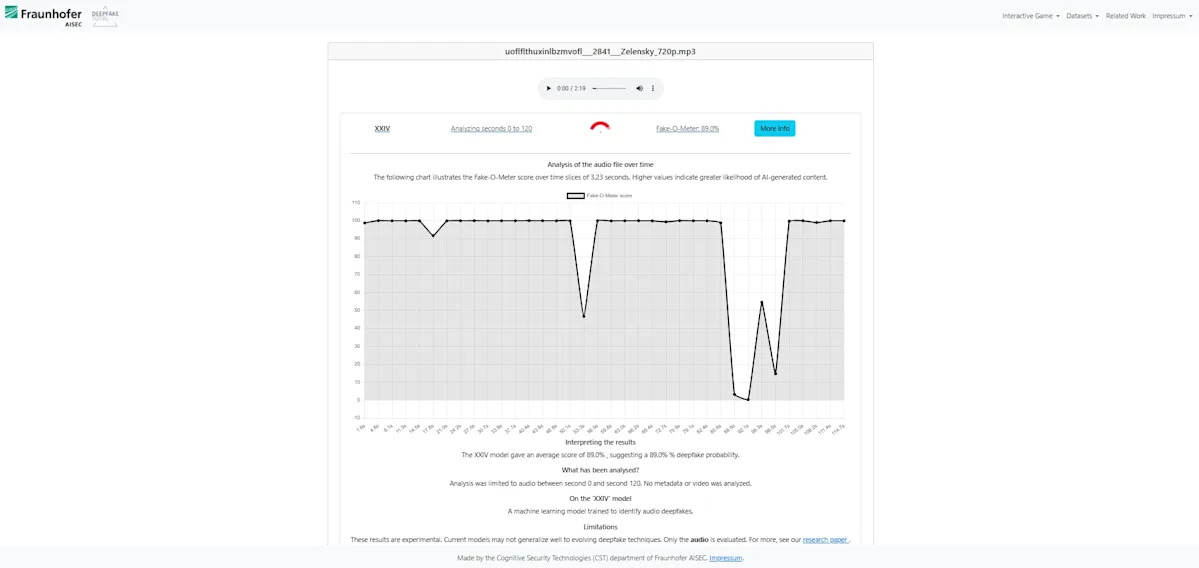
The disinformation campaign extends beyond the fake article to include a manipulated video presented as supporting evidence. The video features a generic news background readily available online and presents documents purportedly proving Zelenskyy’s fraudulent activities. However, a reverse image search reveals these documents are unrelated to Zelenskyy and actually pertain to a separate treason investigation against a Ukrainian MP. The audio track of the video has also been identified as a deepfake, further demonstrating the lengths to which the perpetrators went to create a convincing but entirely false narrative. This multi-pronged approach, combining fabricated text, manipulated visuals, and AI-generated audio, represents a new level of sophistication in disinformation campaigns.
Experts believe this campaign is part of a larger effort to undermine Zelenskyy’s credibility and erode Western support for Ukraine. The timing of the campaign, coinciding with recent legislative changes affecting NABU’s independence, suggests a deliberate attempt to exploit existing concerns and fuel distrust in the Ukrainian government. This tactic of leveraging real events to seed false narratives is a common hallmark of disinformation campaigns. The context surrounding these recent legislation also underlines that the disinformation campaign aimed to capitalize on existing concerns and tensions surrounding Ukraine. This is a particularly effective manipulation tactic because it provides a veneer of authenticity to the completely fabricated narratives.
Zelenskyy has been a frequent target of disinformation campaigns throughout the ongoing conflict, often facing false accusations regarding his personal wealth and financial dealings. This latest campaign, however, stands out for its elaborate construction and the use of advanced technology like deepfakes. The campaign’s success in spreading across multiple languages highlights the transnational nature of disinformation and the need for international cooperation to combat it. This highlights the increasingly sophisticated tactics employed in modern disinformation campaigns and underscores the urgent need for media literacy and critical thinking skills to discern truth from falsehood in the digital age. This incident serves as a stark reminder of the vulnerability of even democratic societies to manipulation in the digital age, underscoring the pivotal role of fact-checking, media literacy, and independent journalism in safeguarding against the erosion of truth and the spread of disinformation.