


Paragraph 1: The Announcement and the Shadow of Unverified Rumors
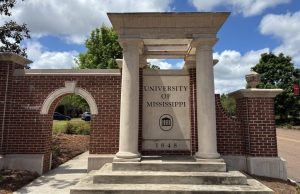
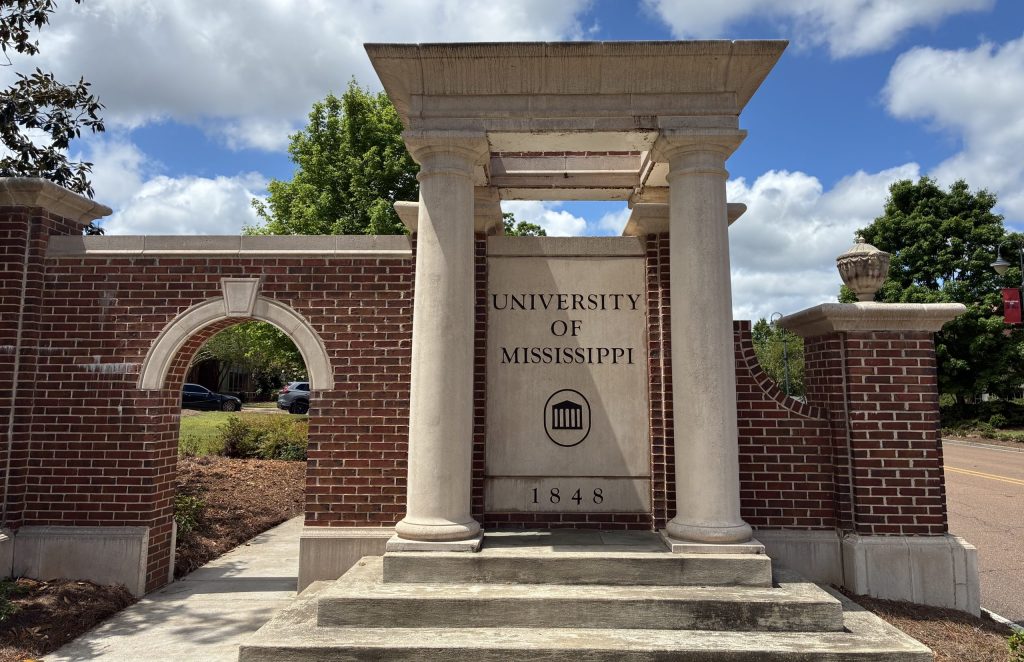
The serene, post-spring break atmosphere of the University of Mississippi campus was shattered on Tuesday by a somber official notification that has plunged the Oxford community into a state of grief and heightened anxiety. Dr. Shawnboda Mead, the university’s vice chancellor for student affairs, confirmed that an investigation is underway into the deaths of two students, a development that has triggered official university protocols and a coordinated response from local and state law enforcement. The announcement served as a necessary official counterweight to a rapidly escalating storm of unsubstantiated claims that had been spreading with alarming speed across social media platforms, driving a wedge of fear and uncertainty into the student body. Without naming the victims, pending family notification and further forensic analysis, Dr. Mead confirmed the two fatalities, but specifically took steps to quell the most extreme rumors circulating online. The most prominent of these unverified claims, which had taken hold in the digital echo chambers of campus confession pages and local community groups, alleged that a significantly higher number of students had perished as a result of consuming substances tainted with a lethal synthetic opioid, causing widespread panic that far exceeded the confirmed facts. While acknowledging the tragic loss of life, the university’s primary challenge in this initial phase has been to manage the informational vacuum, as the congested flow of unverified data threatened to outpace the snail-paced, methodical process of forensic death investigation. The confusion was compounded by the sheer speed at which the news traveled, with the term “cychlorphine” becoming a feared topic of discussion among students long before any official confirmation of its involvement in the tragedy.
Paragraph 2: The Unsubstantiated Culprit and University Police Clearance
In the chaotic hours preceding the official announcement, social media had become a hotbed of speculation, with various unconfirmed narratives circulating that pointed an accusatory finger at “cychlorphine,” an extremely potent and relatively obscure synthetic opioid. Dr. Mead’s statement directly addressed this toxic rumor mill, firmly stating, “We are aware that considerable unverified information is circulating on social media and in the community regarding these recent student deaths.” This acknowledgment was a crucial attempt to delineate fact from fiction, emphasizing that while the university was aware of the buzz, it had no empirical data to support the claims. The official line, confirmed directly by the Coroner’s Office, was limited to the confirmation of the two student deaths. Furthermore, Dr. Mead explicitly underscored that University Police are currently not aware of any additional student deaths, offering a sliver of reassurance to a terrified student body that had been inundated with panicked text messages and viral posts suggesting a mass casualty event. University Police remain in continuous contact with local and state law enforcement agencies, creating a multi-jurisdictional task force designed to expedite the investigation and ensure the public safety. However, the most critical piece of information to emerge in the initial phases of the investigation, as stated by the university, was a firm denial regarding the number of fatalities. The causes of the two deaths are still pending final laboratory results, leaving the families, friends, and the broader community in a state of torturous suspense. The anxiety among students is palpable, with the promise of safety implicitly tied to the ability to identify an immediate, tangible threat, and the lack of a definitive cause of death has made the campus particularly susceptible to fear-based speculation.
Paragraph 3: The Discovery of Kratom and the Official Narcotics Report
While the unsubstantiated rumors concerning cychlorphine dominated social media, the official investigation, as revealed by the Lafayette Metro Narcotics, has taken a different, though equally concerning, trajectory regarding potential substances discovered at the scenes. The department revealed that during the initial phases of the investigation, packaged kratom, a legal, plant-based substance, was discovered in locations where both students had passed away. This formal recognition introduces a new, concrete element into the narrative, moving the focus away from the shadowy world of street-level synthetic opioids and toward the more legally complex issue of substances sold in retail stores. However, in an effort to manage public expectations and maintain investigative integrity, officials were extremely careful not to declare kratom as the cause of death. The status of the investigation remains open, with toxicology reports pending that will provide the definitive scientific answer. In the interim, the public was issued a stark warning regarding the consumption of any unregulated substances, specifically highlighting the discovered kratom. “Out of an abundance of caution,” the department urged the public to avoid kratom and any other medication or substance that was not prescribed by a qualified physician or obtained from a trusted, regulated pharmacy. This statement acknowledges a general risk disposition, implying that even substances perceived as relatively benign, given their legal retail sale, can pose significant health risks, particularly if consumed in conjunction with other health complications or if contaminated during the production process, which is a common risk with unregulated botanical products.
Paragraph 4: The Complexities of Unregulated Substances and the Search for Connection
The clarification from Lafayette Metro Narcotics explicitly stated that they currently have “no evidence that the two deaths are connected,” a key piece of data that prevents the narrative from coalescing into a singular, highly concentrated public health threat. This initial disconnection, however, does little to assuage the fears of a public that is now grappling with the dangers of unregulated supplements. The officials emphasized, “We do not have confirmed information indicating that kratom or any other substance was a contributing factor in either death,” demonstrating a rigorous commitment to the scientific method and the avoidance of jumping to conclusions based on circumstantial evidence. The challenge for investigators lies in the fact that two individuals passed away in proximity to a specific substance, which raises a red flag, yet the presence of kratom might be coincidental. It could be a red herring, mere happenstance, or it could be a key piece of the puzzle that points toward broader systemic issues regarding the safety of dietary supplements. As the investigation unfolds, authorities are tasked with determining whether the underlying health conditions of the individuals, the specific chemical composition of the kratom (which can vary wildly between batches and manufacturers), or a combination of factors led to these tragic outcomes. The advice to avoid speculation is an attempt to prevent the stigmatization of a specific legal substance without hard evidence, while simultaneously warning the public of the inherent dangers of consuming products that lack the rigorous testing and oversight applied to prescription medication.
Paragraph 5: University Counsel, Harm Reduction, and the Silent Guardian
In the wake of these dual tragedies, the University of Mississippi has pivoted to a mode of extensive support and grief management, recognizing that the emotional fallout from such events impacts the entire campus ecosystem. The university immediately activated its crisis intervention resources, offering counseling and a range of other support services to students, faculty, and staff who may be struggling to process the news. This includes grief counselors, mental health professionals, and support groups designed to provide a safe space for the community to mourn and express their collective anxiety. In addition to emotional support, the university has highlighted the availability of a crucial harm reduction resource: free Narcan, also known as naloxone, which can reverse the effects of an opioid overdose. The university pointed out that this life-saving medication is accessible 24/7 through vending machines located on campus and at the downtown parking garage within the city of Oxford. This practical implementation of public health policy signifies a proactive approach to community safety, acknowledging the unpredictable nature of substance use and providing a tangible lifeline that can mean the difference between life and death. The presence of these vending machines, particularly in the current context, underscores a shift in policy from reactionary policing to proactive harm reduction, equipping ordinary citizens with the tools to act as first responders in the crucial moments before medical help arrives. It is a silent testament to the university’s commitment to protecting its students, even in the face of unknown threats.
Paragraph 6: A Developing Story and the Weight of a Pending Explanation
As the University of Mississippi and the city of Oxford await the pending results from the Coroner’s office and state toxicology labs, this tragic event remains a developing story, evolving rapidly with each passing hour. The starkest immediate takeaway for the public is the explicit desire from law enforcement to halt the spread of fear-inducing misinformation. The plea to “dismiss unverified information spreading online” was not merely a policy suggestion, but a societal call to action, recognizing that uncontrolled speculation can amplify trauma, target innocent individuals, and impede the flow of objective information. The confirmation of two deaths, rather than the rumored multitude, is a grim victory for fact over fiction, yet the core mystery—what exactly caused these bright young lives to end prematurely—remains unsolved. Whether the cause is ultimately determined to be an isolated medical episode, an accidental ingestion of tainted kratom, or a tragic consequence of the broader, destructive opioid crisis, the very real human cost is a stark reminder of the fragility of life. The investigation into these deaths is more than a police procedure; it is a search for answers that will provide closure to the victims’ families, and a quest for clarity that will help prevent future occurrences of such devastating loss. Until then, the community remains in the balance, caught between the hope for a definitive explanation and the ongoing, painful need to grieve.