








Tunisian authorities are investigating the suspected sexual assault of a 16-year-old girl in the capital, Tunis, in a case that has drawn widespread public attention and prompted an official warning that social media speculation is obscuring the facts. The teenager is currently receiving medical care after an incident in the Mellassine area of Tunis, according to a security source quoted by the state news agency TAP, or Tunis Afrique Presse. The source said investigations are continuing to identify and arrest those involved, and that the number of people implicated has not yet been determined. The case has triggered outrage across the country, with many Tunisians demanding swift justice and greater protection for minors. At the same time, officials have cautioned that some of the information circulating online is inaccurate, and they have asked the public to rely on official statements. The investigation is being conducted under legal rules that protect minors, and authorities have deliberately withheld certain details to preserve the integrity of their work. The girl’s condition has not been publicly detailed, but she is reported to be under medical supervision and receiving psychological support. The case has also drawn attention to the vulnerability of young people in urban areas and the need for a careful, trauma-informed judicial process. In the meantime, the authorities have appealed for calm and for the public to avoid spreading unverified claims. The security source emphasized that investigators still face significant work in establishing the precise circumstances of the incident. The statement from TAP did not specify a timeline for further announcements, but made clear that the investigation is active and multifaceted. The case is being treated as a serious crime involving coercion and the possible use of narcotic substances, and the legal consequences for anyone convicted could be severe. For now, the priority is said to be the wellbeing of the victim and the apprehension of all suspects. The Mellassine area, where the incident occurred, is a densely populated neighborhood in the capital, and the case has become a major test for Tunisia’s criminal justice system, with its outcome likely to be closely watched by human rights groups and the public alike.
According to local media and official accounts, the girl’s mother reported her missing on September 20 after she had been unable to contact her since the previous day. The girl had told her mother that she was going to a café before contact was lost. That initial report triggered a search by security forces, and investigators later opened a formal inquiry into a suspected sexual assault involving coercion and the use of narcotic substances. The circumstances leading to the assault have not been fully explained, and authorities have not confirmed where the incident took place beyond the Mellassine area. Two people suspected of involvement in the assault have been identified and are now being sought by the authorities. In addition, police have detained a nurse suspected of having treated the girl at a home linked to one of the suspects, as well as another person who is related to one of them. The exact relationship between the suspects and the victim remains unclear, and investigators have not said whether the victim knew any of the accused. The investigation has expanded to include multiple lines of inquiry, including the alleged use of narcotics and the role of the nurse in providing treatment after the assault. The detention of the nurse suggests that authorities are examining whether medical care was provided in an attempt to conceal evidence or assist the suspects. The second detained person, described only as a relative of one of the suspects, may have been arrested to prevent interference with the investigation. The security source said the number of people implicated has not yet been determined, leaving open the possibility of further arrests. The case has shocked many Tunisians, and local media have followed every development closely, although they have largely respected the legal restrictions on identifying a minor victim. The investigation is being coordinated with judicial authorities, and forensic evidence is likely to play a key role in establishing what happened. No charges have yet been formally announced against the two suspects at large, and the status of the detained individuals has not been fully clarified.
Authorities have repeatedly warned that some of the information spreading on social media about the case is inaccurate. As details emerged, a number of claims circulated about what happened and the number of people allegedly involved, with some posts reportedly exaggerating the scale of the assault or naming individuals without evidence. A security source said that some of the information being circulated was inaccurate and stressed that investigators were still working to establish the circumstances of the case. The source also said that certain details are being withheld for now to protect the investigation and to avoid compromising the search for suspects. The warning reflects a broader concern in Tunisia about the role of social media in high-profile criminal cases, where unverified content can quickly shape public opinion and put pressure on judicial authorities. In this case, officials have urged the public to rely on official statements and to refrain from sharing images or personal information about the victim. The Ministry of Family, Women, Children and the Elderly has issued a specific warning against publishing or sharing images of the girl on social media, saying that doing so violates children’s rights and legal protections. The ministry is closely following the girl’s health and has arranged psychological and social support for her and her family. The warning is consistent with Tunisian law, which provides special protections for minors involved in legal proceedings. The ministry’s involvement indicates that the case is being treated not only as a criminal matter but also as a child protection issue. The girl and her family are receiving professional support to help them cope with the trauma of the incident and the intense public attention. Officials have also reminded the public that the presumption of innocence applies to all suspects, and that the investigation must be allowed to proceed without interference. The spread of false information, they said, can harm the victim and undermine confidence in the judicial process. The authorities have not released a complete account of what happened, and they have cautioned against drawing conclusions before the investigation is complete. They have also asked social media users to be especially careful, because the victim is a minor and therefore entitled to heightened legal protection.
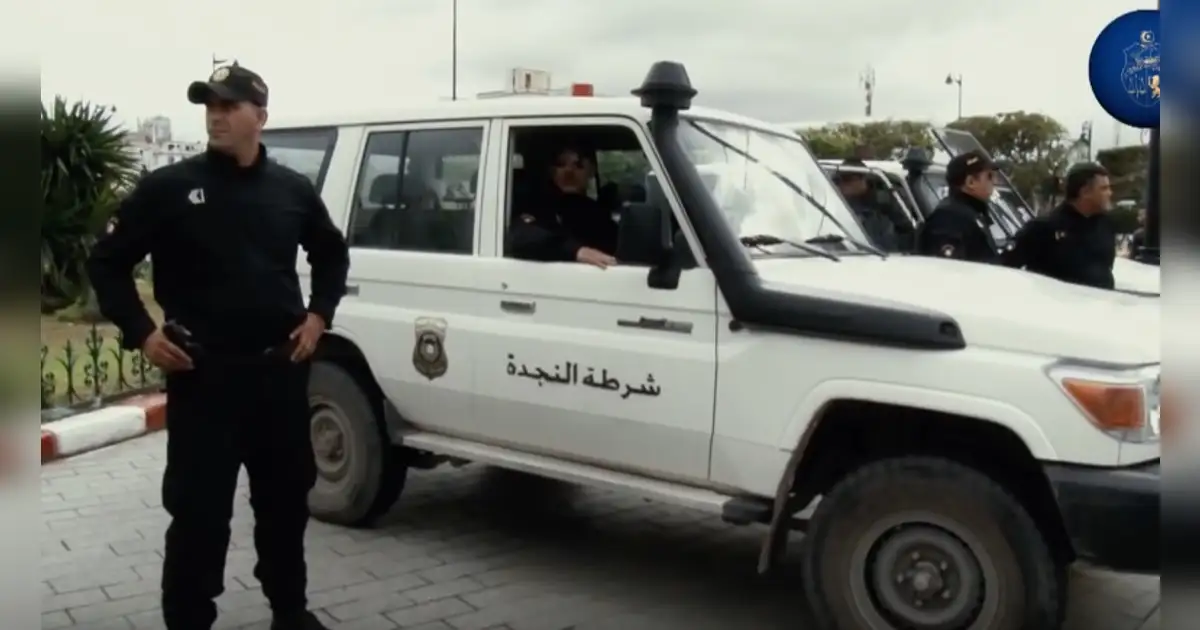
The case took a further turn when security officers returned to the Mellassine area to carry out additional inquiries and were met with violence. According to authorities, officers were targeted with stones and other objects, and police vehicles were damaged. Wooden boards fitted with nails had reportedly been placed in the area to prevent security vehicles from entering. The attack on the patrols led to a separate investigation, and eight people were identified on suspicion of taking part in the attack on police patrols. Two of those individuals were taken into custody, while the others remain under investigation. The incident has raised concerns about public order and the possibility that some residents are attempting to obstruct the investigation. It is not clear whether the attack on police was directly linked to the sexual assault case or was an expression of anger or resistance to the police presence in the neighborhood. The use of nail-studded boards suggests a degree of premeditation, and authorities have treated the attack on security forces as a serious offense. The two people detained in connection with the attack may face charges related to violence against public officials and damage to state property. The separate investigation is being handled alongside the main inquiry, and it is possible that additional arrests will be made. The violence has complicated the work of investigators and heightened tensions in the area. Local officials have called for calm and for residents to cooperate with the security forces. The incident also illustrates the difficult environment in which the investigation is taking place, with some community members apparently hostile to the police presence. Despite the obstruction, authorities have said they remain determined to identify everyone involved in the assault and to bring them to justice. The attack on police has been condemned by civil society groups, who have urged the public to allow the legal process to proceed without interference. The security source said the investigation into the assault and the investigation into the attack on police are separate but related, as both stem from the same police operation in Mellassine.
The Tunisian government has responded to the case at the highest level, with the Ministry of Family, Women, Children and the Elderly saying it is closely following the girl’s health and has arranged psychological and social support for her and her family. The ministry has also issued a specific warning against publishing or sharing images of the girl on social media, saying doing so violates children’s rights and legal protections. This warning is particularly important in an age when mobile phone images and social media posts can spread rapidly and have lasting consequences for a young victim. The ministry’s involvement underscores the seriousness with which the government views the case and its commitment to protecting the rights of the child. In addition to providing support, the ministry has likely been coordinating with health and judicial authorities to ensure that the girl’s treatment is handled sensitively. The family has not made any public statement, and their privacy is being protected by the authorities. The government has urged the public to respect the girl’s privacy while judicial and security authorities continue their investigation. The case has also prompted broader discussions about violence against women and girls in Tunisia, and about the adequacy of legal protections and support services for victims. While Tunisia has made significant progress in women’s rights compared to some other countries in the region, cases like this highlight the ongoing challenges of enforcement and social attitudes. The government’s response has been careful to emphasize both the need for justice and the need for compassion. Officials have not commented on the possible penalties for the suspects, but Tunisian law provides for severe sentences for sexual assault, especially when minors and narcotics are involved. The ministry has also reminded the public that legal protections for children apply regardless of the circumstances of the case. The authorities have asked the media to report responsibly and to avoid sensationalism. The case has become a test of Tunisia’s ability to handle sensitive crimes involving minors in a way that respects the rule of law and the dignity of the victim. The government’s statements have been measured, but the public mood is one of anger and sorrow, and there is widespread demand for accountability.
For now, authorities have not released


