







Anabel Kingsley Launches First Book to End Hair Misinformation and Champion Evidence-Based Haircare
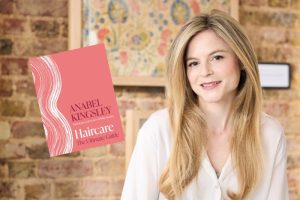
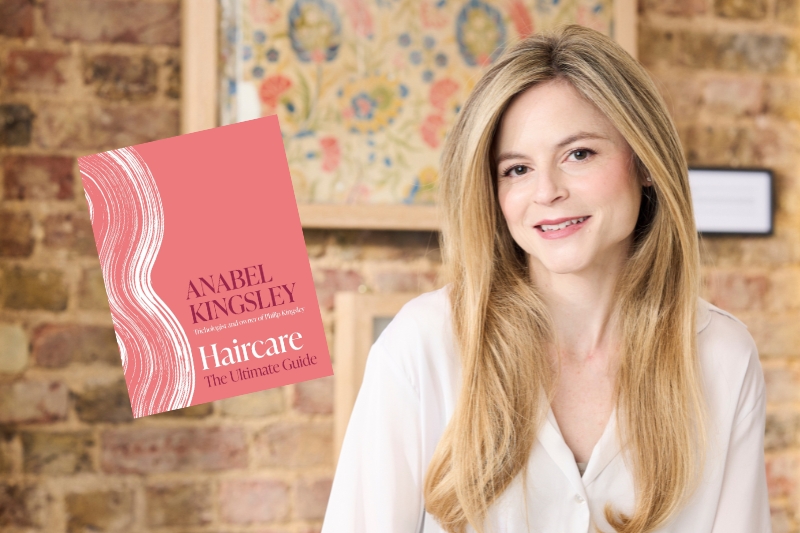
Anabel Kingsley, one of the world’s most respected consultant trichologists and Brand President of Philip Kingsley, has entered the publishing world with her first book, Haircare: The Ultimate Guide, a comprehensive and accessible manual designed to cut through the overwhelming amount of misinformation surrounding hair and scalp health. Kingsley, who has spent years at the forefront of clinical hair and scalp care, says the book is intended to be an “easy to understand” resource that helps readers decode the often confusing world of haircare, from everyday maintenance to the deeper biological signals that hair can send about overall wellbeing. The book covers a wide range of topics including hair health, ageing, stress, and what Kingsley calls “the quiet signals” the body sends through the condition of hair. With the beauty industry increasingly focused on hair longevity and the so-called “skinification of hair,” the book arrives at a pivotal moment, offering a scientifically grounded counterpoint to viral trends and unsubstantiated social media advice. For Kingsley, the motivation was deeply personal and professional: hair, she argues, is not merely cosmetic but profoundly psychological, shaping moods, self-confidence, and identity. “Hair holds huge psychological importance,” she told Cosmetics Business. “It shapes our mood, our sense of self and our confidence; it is the accessory we never take off.”
The book’s core mission is empowerment through understanding. Rather than simply presenting a list of products or routines, Haircare: The Ultimate Guide aims to equip readers with the knowledge to interpret what their hair and scalp are actually telling them. Kingsley explains that the opportunity to help people understand their hair and scalp, and to provide informed, experience-based and science-backed information on how best to care for them, was the main driver for writing the book. In practice, this means exploring the biological and environmental factors that influence hair health, including hormonal changes, nutritional deficiencies, stress responses, and the natural ageing process. The book is structured to demystify the scalp as a living ecosystem, explaining how conditions such as flakiness, oiliness, sensitivity, and hair thinning are often interconnected. It also addresses the emotional dimension of hair loss and damage, acknowledging that a bad hair day can have far-reaching consequences for a person’s self-esteem. By framing hair as a barometer of internal health, Kingsley encourages readers to look beyond superficial fixes and instead consider lifestyle, diet, and stress management as integral components of a healthy haircare routine. This holistic perspective is central to her philosophy and sets the book apart from the many celebrity-endorsed haircare guides that focus exclusively on styling and product application.
One of the most valuable aspects of the book is its direct challenge to deeply entrenched haircare myths that have persisted for decades. Chief among these is the belief that hair can be “trained” to behave differently, such as becoming less oily or more voluminous simply through manipulation or by reducing washing frequency. Kingsley is unequivocal in her dismissal of this idea, explaining that hair is non-living tissue once it emerges from the follicle and therefore cannot be trained in the way skin or muscles might respond to conditioning. Similarly, she tackles the widespread misconception that frequent washing is inherently damaging. In reality, the optimal washing schedule depends on hair type, scalp condition, and lifestyle, and for many people, daily or frequent washing is not only harmless but essential for maintaining a healthy scalp environment. By debunking these myths, Kingsley hopes to liberate readers from overly complicated, guilt-inducing routines and instead focus on what actually works according to scientific principles. She also addresses other common fallacies, such as the idea that cutting hair makes it grow faster or that certain products can “repair” split ends permanently. Through clear, evidence-based explanations, the book encourages a more rational and confident approach to haircare, one that prioritises scalp health and realistic expectations over quick-fix promises.
The timing of the book’s release is particularly significant as the beauty industry experiences a wave of new trends, most notably “hair longevity” and the “skinification of hair.” Hair longevity, a term borrowed from skincare, reflects a growing desire among consumers to maintain healthy, youthful-looking hair for as long as possible, rather than simply styling it in the short term. This trend has led to increased interest in preventive care, scalp treatments, and ingredients traditionally found in skincare formulations, such as peptides, ceramides, and hyaluronic acid. The skinification of hair, meanwhile, treats the scalp with the same seriousness as facial skin, recognising that a healthy scalp is the foundation for strong, beautiful hair. Kingsley has been a vocal advocate for this paradigm shift, and her book embraces it by providing detailed guidance on scalp care, exfoliation, and the importance of maintaining a balanced microbiome. However, she also cautions against blindly following trends without understanding the underlying science. The book therefore serves as a filter, helping readers distinguish between genuine innovations and marketing hype. By explaining how active ingredients work, what concentrations are effective, and how to build a bespoke routine, Kingsley empowers consumers to make informed choices that align with their specific hair and scalp needs, rather than chasing every new viral product or play. This thoughtful, educational approach is likely to resonate with a generation of consumers who are increasingly sceptical of one-size-fits-all beauty advice.
Kingsley’s emphasis on the psychological significance of hair cannot be overstated, and it is a theme that runs throughout the book. In her interview with Cosmetics Business, she highlighted how hair influences our mood, sense of self, and confidence, describing it as the one accessory we never take off. This insight reflects a growing body of research that links hair loss and scalp conditions to anxiety, depression, and reduced quality of life. For many people, hair is an outward expression of identity, femininity, masculinity, or creativity, and any disruption to that expression can be deeply distressing. Kingsley’s book acknowledges this emotional weight and offers not just practical advice but also a reassuring, compassionate tone. She encourages readers to take a long-term, holistic view of hair health, understanding that improvements take time and that consistency is more important than perfection. The book also explores the impact of stress on the hair growth cycle, explaining processes such as telogen effluvium, where significant emotional or physical stress can cause temporary shedding. By normalising these experiences and providing clear strategies for managing them, Kingsley hopes to reduce the anxiety that often accompanies hair problems. In this way, Haircare: The Ultimate Guide is more than a technical manual; it is a psychological support tool that recognises the intimate connection between mind, body, and hair. Kingsley’s hope is that the book will encourage people to think about their hair differently, challenging outdated assumptions and embracing a more informed, empowered approach to self-care.
In addition to the book launch, Kingsley’s presence at the upcoming 25th anniversary Pure Beauty Awards underscores her standing as a leading voice in the beauty industry. The awards, which will take place on 15 October 2026 at the iconic Grosvenor House Hotel in London, UK, celebrate a quarter-century of excellence in beauty and personal care. Tickets are now available for what promises to be an unforgettable evening of recognition and celebration, with this year’s winners set to be revealed in front of an audience of the industry’s most influential brands, innovators, and professionals. The event provides a fitting backdrop for Kingsley’s new literary venture, as both the book and the awards share a common goal: raising standards in beauty through expertise, integrity, and a commitment to consumer wellbeing. For Kingsley, whose family business has long been trusted by trichologists, dermatologists, and celebrities alike, the book represents a natural extension of her educational mission. By translating decades of clinical experience and scientific research into accessible language, she is helping to redefine what it means to practice good haircare in the modern age. As the industry continues to prioritise transparency and efficacy, Haircare: The Ultimate Guide stands out as a credible, reliable resource that benefits both consumers and beauty professionals. Whether readers are seeking solutions for thinning hair, a dry scalp, or simply wanting to improve their everyday routine, Kingsley’s book offers a clear, evidence-based path forward. With its release, she has firmly positioned herself not only as a leading trichologist and brand president, but also as a trusted author and educator, ready to guide the next generation of haircare enthusiasts towards healthier, happier hair.


