









Misinformation Fuels Opposition to Supportive Housing in Prince George
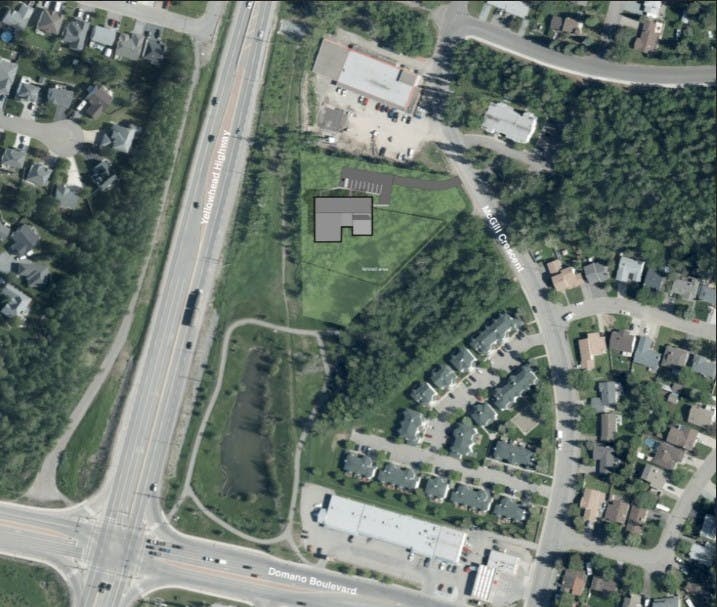
A proposed 10-unit supportive housing facility on McGill Crescent in Prince George has ignited a heated debate, highlighting the pervasive issue of misinformation and community apprehension surrounding such projects. Intended to provide specialized care for adults with mental health and developmental disabilities, the facility became the target of significant opposition, largely fueled by inaccurate rumors circulating on social media. Many residents mistakenly believed the complex would house individuals recovering from addiction, a misconception exacerbated by ambiguous early communication from involved parties. This incident underscores the critical need for clear and proactive communication to prevent unfounded fears from taking root and obstructing essential community initiatives.
The confusion surrounding the McGill Crescent project stemmed partly from the term "complex-care housing" used in initial announcements, which some interpreted as relating to addiction treatment. The lack of detailed information from the province and project partners further contributed to the spread of misinformation. While a public open house eventually clarified the facility’s true purpose, the incident exposed a troubling trend: the rapid dissemination of unchecked rumors through social media and word-of-mouth, significantly influencing public opinion before accurate information becomes available. This pattern is not unique to Prince George, as “Not In My Backyard” (NIMBY) sentiments often arise from incomplete or distorted information, hindering the development of crucial social support services.
One resident, whose initial concerns stemmed from misinformation encountered online, emphasized the importance of early and transparent communication. Learning the truth only after attending the open house, she highlighted the need for proactive information sharing from the outset. This sentiment echoes a broader concern: the failure of project proponents to effectively communicate vital details, allowing rumors and speculation to fill the void. Although the provincial election campaign temporarily halted communication efforts, there remains a clear responsibility to engage with the community proactively and prevent the spread of misinformation.
While the open house served as a valuable platform to address concerns and clarify misconceptions, it also exposed the need for more robust and consistent communication strategies. The ambiguity surrounding the facility’s operating organization added to the uncertainty, emphasizing the importance of accessible and comprehensive information throughout the project’s planning and development phases. Such proactive communication, coupled with consistent engagement with the community, can help mitigate unfounded fears and foster a more receptive environment for these essential projects.
Beyond clarifying the facility’s purpose, effectively addressing community concerns requires more than a single open house. Ongoing dialogue, readily available information, and assurances regarding the facility’s safety and design are crucial to allaying anxieties and building trust. Transparency about the project’s operational details, its integration within the community, and the support systems in place for residents can help address concerns and foster a more informed understanding of the project’s benefits.
Ultimately, the success of supportive housing initiatives like the McGill Crescent facility hinges on overcoming the barrier of misinformation. A commitment to open dialogue, clear communication, and ongoing community engagement is crucial for fostering understanding and acceptance. By ensuring that these projects are presented within their proper context and addressing concerns proactively, communities can create an environment where vulnerable populations receive the essential support they need while mitigating unnecessary fear and opposition. This collaborative approach, founded on accurate information and open communication, is essential for building a more inclusive and supportive community for all. Only then can projects like the McGill Crescent facility be integrated successfully, providing vital services to those in need while addressing the legitimate concerns of residents. The responsibility for fostering this environment of understanding rests on all stakeholders, from project proponents to community members, working together to ensure that accurate information prevails over unfounded rumors.


