


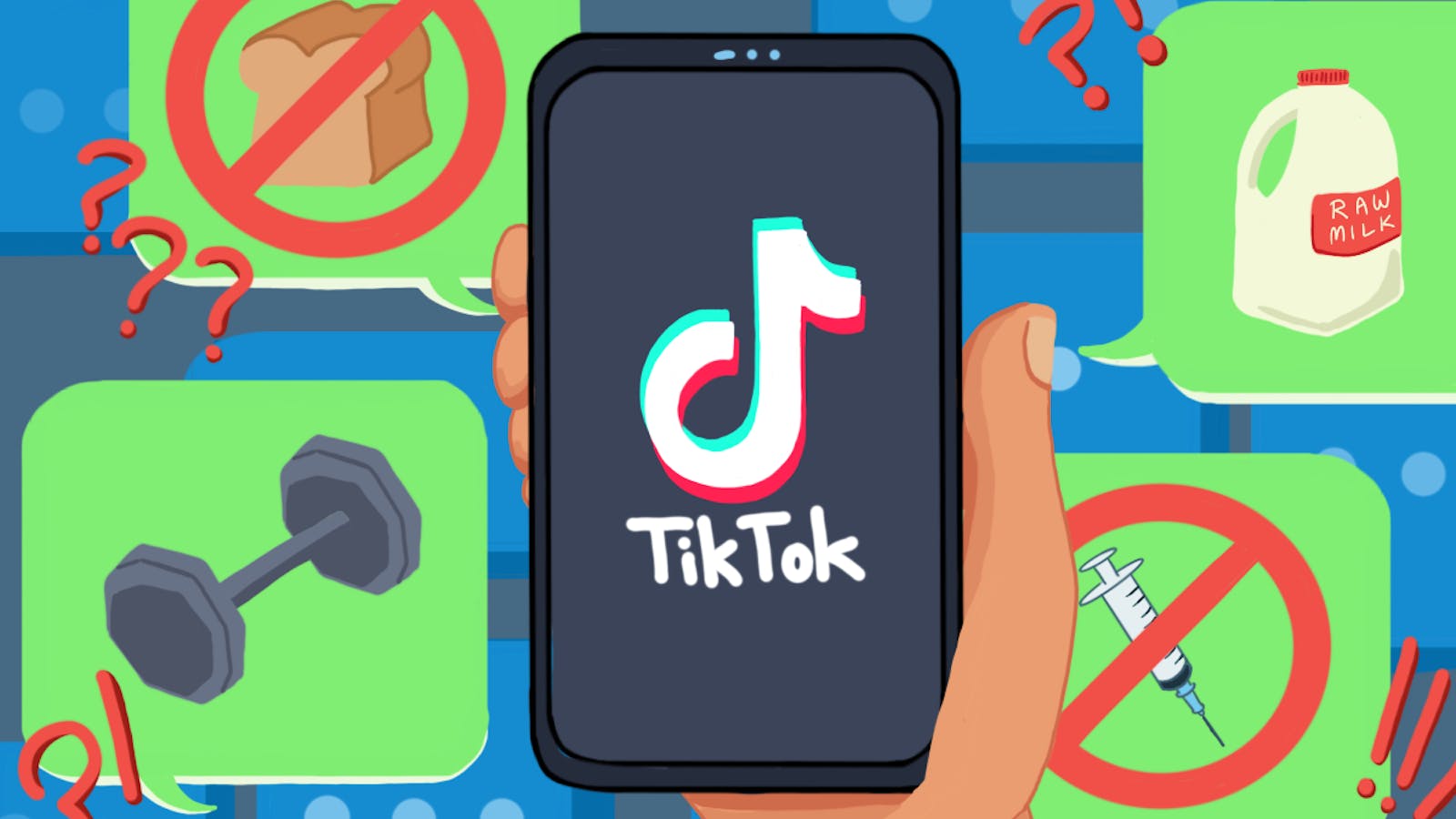
The Pervasiveness of Health Misinformation on Social Media
Social media has become an undeniable force in shaping public discourse, extending its reach into the realm of health and wellness. Platforms like TikTok, Instagram, and others are flooded with content offering advice on everything from skincare routines to workout plans and dietary recommendations. While some of this information may be beneficial, a significant portion is inaccurate, misleading, or even harmful. This proliferation of health misinformation, amplified during the COVID-19 pandemic, now extends far beyond vaccine hesitancy and permeates various areas of healthcare, posing a significant risk to the physical and mental well-being of users, particularly young adults.
Trends and Dangers of Diet Culture on Social Media
A significant portion of health-related content on social media centers around diet culture and weight loss. Trends promoting restrictive diets, often demonizing entire food groups like carbohydrates, are rampant. While some diets, like veganism and carnivore diets, have gained popularity, they are often presented as one-size-fits-all solutions, disregarding individual needs and health conditions. This emphasis on restriction and the pursuit of a "smaller body" as the ultimate marker of health can lead to disordered eating habits and nutrient deficiencies. Experts warn that following such unfounded diet trends can be detrimental, potentially aggravating existing eating disorders and causing long-term health problems.
The Mechanics of Misinformation: Why It Spreads and Who’s Responsible
The rise of health misinformation on social media is multifaceted. While these platforms have created opportunities for open conversations about health struggles, previously stigmatized topics, they have also become breeding grounds for false information. The accessibility of these platforms allows anyone to create and share content, regardless of their expertise or qualifications. Many users rely on the perceived health of influencers as a marker of credibility, failing to conduct their own research or verify the accuracy of the information presented. Conversely, individuals may curate their social media feeds to reinforce pre-existing beliefs, further contributing to the echo chamber of misinformation. The lack of regulation and the blurring of lines between qualified professionals (registered dietitians) and self-proclaimed "nutritionists" further exacerbates the problem.
The Impact of Misinformation on Physical and Mental Health
The consequences of health misinformation on social media extend beyond physical health, significantly impacting mental well-being and self-perception. The pressure to conform to idealized body images promoted online can lead to body image issues, low self-esteem, and disordered eating habits. The constant bombardment of unrealistic beauty standards, often manipulated through filters and editing, creates a distorted view of health and normalcy. Young people, especially girls, are particularly vulnerable to these pressures, often internalizing these messages and engaging in harmful behaviors to achieve an unattainable ideal. This can lead to a vicious cycle of restrictive dieting, body dissatisfaction, and mental health struggles.
Navigating Health Information in the Digital Age: Tips for College Students
Combating the spread of health misinformation requires a multi-pronged approach. While individuals may not be able to single-handedly stop the flow of inaccurate information, they can become more discerning consumers of online content. Experts recommend practicing "horizontal checking" – verifying information from social media by consulting credible sources, such as registered dietitians, medical professionals, and reputable health organizations. It’s crucial to recognize that a visually appealing presentation or a large following does not equate to expertise. Focusing on factual accuracy and seeking guidance from qualified professionals is essential for making informed decisions about one’s health.
Prioritizing Health and Well-being in College: Practical Advice
For college students, navigating health information can be particularly challenging, given their busy schedules, limited resources, and the unique pressures of college life. Experts advise focusing on simple, sustainable practices rather than drastic lifestyle changes. Regular meals with a variety of nutrient-rich foods are key to maintaining good health. Simple exercises like walks can be incorporated into busy schedules, and dining hall options, while sometimes limited, can provide healthy choices. Making small, incremental changes, such as choosing whole grains over refined grains, can have a cumulative positive impact. Ultimately, finding a balance between health-conscious choices and realistic, enjoyable practices is crucial for maintaining well-being in the long term. College life can be demanding, but prioritizing health doesn’t have to be complicated or expensive.