








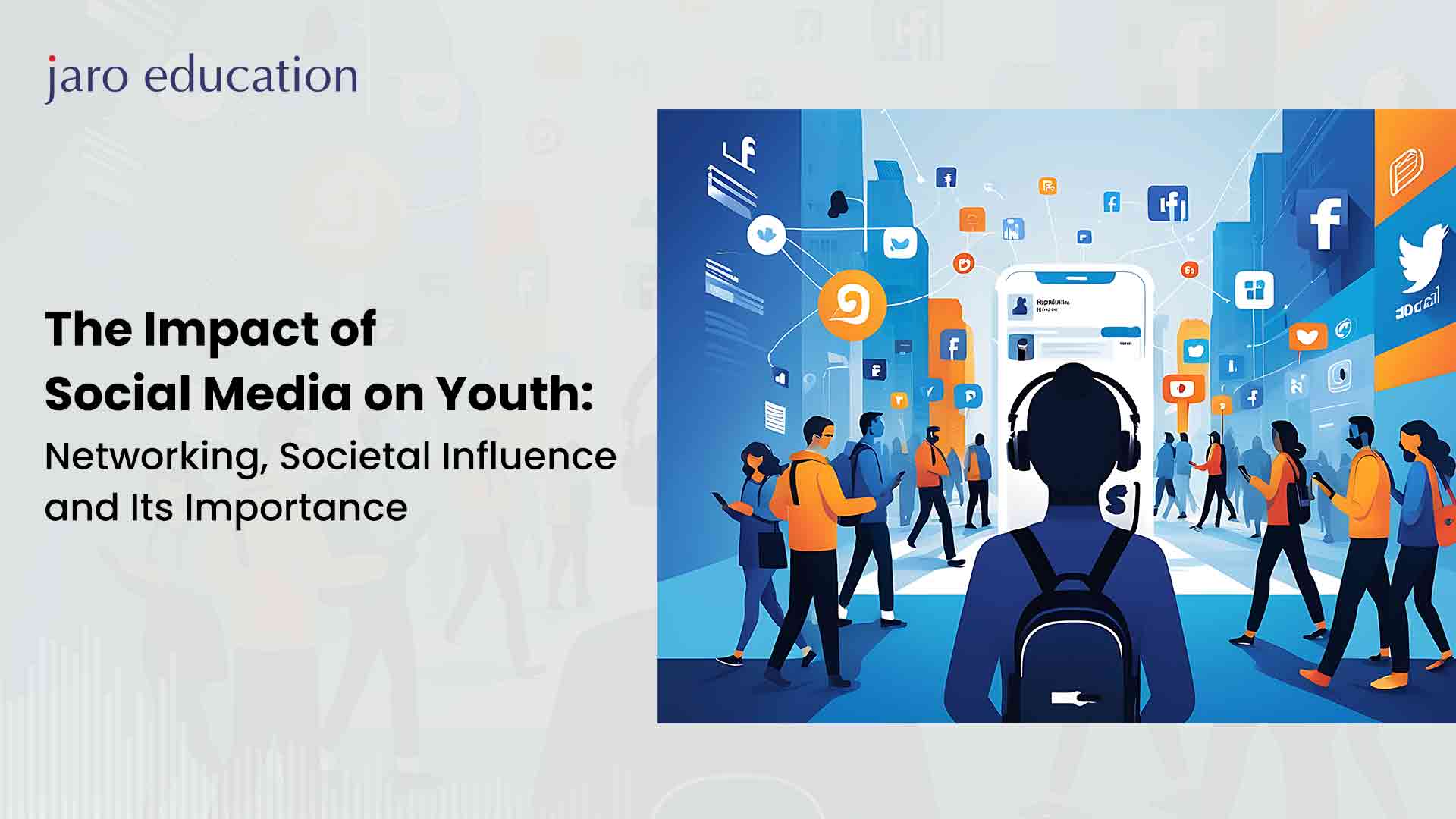
Digital Bridges: How Social Media Is Transforming Youth Networking and Skill-Building
Social media platforms have revolutionised the way young people network, fundamentally altering the landscape of personal and professional connection. In the past, networking opportunities were largely confined to physical interactions at school, college or work. A young person’s network was shaped by the classroom they sat in, the campus they walked across, the office they joined, and the community events they attended. These settings, while valuable, were limited by geography, social circles and timing. A student in a small town might never meet a mentor in a capital city; an aspiring entrepreneur might have no way to reach an investor across the border. Today, platforms like Facebook, Instagram, LinkedIn and X (formerly Twitter) provide vast opportunities for networking on social media. A student in a rural village can now engage with a professor in New York, a startup founder in Nairobi, or a fellow enthusiast in Tokyo without leaving home. The impact of social media on youth is evident in the way these platforms facilitate connections and improve skills. It is not simply about collecting followers or accumulating likes; it is about building meaningful relationships that can shape academic paths, career trajectories and personal growth. As digital natives, young people have embraced these tools with remarkable speed, integrating them into nearly every aspect of their lives. From sharing ideas to seeking advice, from collaborating on projects to finding mentors, social media has become a primary arena for networking. This transformation has profound implications for how young people navigate the world, access opportunity and define their place in an increasingly interconnected society. While the core human need for connection remains unchanged, the methods and possibilities have expanded beyond anything previous generations could have imagined. The result is a generation that can build bridges across continents, cultures and industries with a few clicks, turning the digital space into a launchpad for lifelong learning and advancement.
The most immediate and visible benefit of this shift is the ability to build connections that were previously inaccessible. Young people can connect with peers, mentors and industry professionals worldwide, breaking geographical barriers that once defined the limits of ambition. A teenager interested in climate science can follow and interact with leading researchers; an aspiring filmmaker can share their work with directors and producers; a first-generation college student can receive guidance from professionals in their chosen field. These connections can lead to academic, professional and personal growth, as they gain access to diverse perspectives and opportunities. For example, a young person in a developing country can participate in global conversations about technology, entrepreneurship or social justice, learning from the successes and failures of others in real time. Mentorship, once reserved for those who happened to live near experienced professionals, has become a matter of initiative and digital presence. Platforms like LinkedIn make it possible to send a thoughtful message to a leader in any industry, and many are willing to respond, offer advice, or even open doors to internships and jobs. Instagram and X allow young people to engage with thought leaders through comments, direct messages and live sessions, creating a sense of proximity that was unimaginable in the pre-digital era. The impact of social media on youth in this context is profound, as it opens doors that were previously inaccessible. It democratizes networking, allowing those without elite schools or family connections to build their own pathways to success. Of course, not every interaction leads to a life-changing opportunity, but the sheer volume of potential connections means that persistence and authenticity often pay off. Young people who learn to network online are not only expanding their contact lists; they are learning how to communicate across cultures, how to present themselves professionally, and how to seek help when they need it. These are skills that will serve them long after they leave school, and they are being developed every day in the digital spaces where young people already spend their time.
Beyond individual connections, networking on social media allows youth to join groups and forums related to their interests and career goals, creating a rich ecosystem of shared learning and mutual support. Facebook groups, LinkedIn communities, Reddit threads and X chats have become modern-day meeting places where young professionals and students can ask questions, share resources, and collaborate on projects. These platforms provide access to resources, workshops and webinars that can improve their skills and knowledge. For instance, LinkedIn offers numerous courses and certifications that young professionals can use to boost their resumes, covering everything from data analysis to public speaking. Many of these courses are free or low-cost, making them accessible to young people who may not have the budget for traditional education. Similarly, YouTube has become a vast library of tutorials, while Instagram and TikTok host short-form educational content that makes learning feel less intimidating. The impact of social media on youth in terms of skill enhancement cannot be overstated. Young people are no longer passive consumers of information; they are active participants in their own development. They can join a coding bootcamp on Discord, participate in a virtual hackathon, or attend a webinar on resume writing hosted by professionals from around the world. These opportunities are particularly valuable for those who live in areas with limited educational infrastructure. A young woman in a remote community can learn digital marketing, graphic design or software development through online communities, then use those skills to find freelance work or start a business. The combination of networking and skill-building creates a powerful feedback loop: the more skills you develop, the more credible you become; the more credible you become, the more people want to connect with you; and the more people you connect with, the more opportunities you discover. This dynamic is reshaping the way young people approach their careers, shifting from a model of waiting for opportunities to one of actively creating them.
Creating communities is another cornerstone of social media’s impact on youth, and it is here that the emotional and psychological benefits of digital networking become clear. Social media enables the creation of niche communities where young people with similar interests can share ideas and support each other. Whether it’s a group for aspiring writers, tech enthusiasts or environmental activists, these communities provide a sense of belonging and encouragement that is often hard to find in physical spaces. For a young person who feels isolated in their local environment, discovering an online community of like-minded individuals can be transformative. It validates their interests, normalizes their ambitions, and gives them a safe space to ask questions and make mistakes. These communities are not just about socializing; they are incubators for creativity and action. Aspiring writers can share drafts and receive feedback; tech enthusiasts can collaborate on open-source projects; environmental activists can organize campaigns and share strategies for making a difference. The sense of belonging that comes from being part of such a group can also have positive effects on mental health, reducing feelings of loneliness and increasing confidence. Young people often report that their online communities are among their most important support networks, especially during transitional periods like graduating, moving to a new city, or starting a first job. The impact of social media on youth is significant in fostering these supportive networks, and the effects ripple outward. When young people feel supported, they are more likely to take risks, pursue ambitious goals, and offer help to others in turn. This culture of reciprocity is one of the most valuable aspects of digital communities. It teaches young people that success is not a zero-sum game, and that lifting others up can be just as rewarding as advancing themselves. In a world that often feels fragmented, these niche communities serve as anchors, helping young people find their people and their purpose.
However, the same platforms that empower young people also demand a new level of digital literacy and intentionality. The benefits of social media networking are real, but they do not come automatically. Young people must learn to navigate issues such as misinformation, online harassment, and the pressure to present a perfect image. A poorly thought-out post or an ill-considered comment can damage a reputation, while excessive time spent on social media can lead to burnout and anxiety. Yet these challenges are not reasons to abandon the digital space; they are reasons to educate and support young people as they build their online lives. Schools, parents and community organizations have an important role to play in teaching digital citizenship, critical thinking and healthy online habits. The impact of social media on youth will ultimately depend on how well they are prepared to use it. Those who approach networking with curiosity, respect and a willingness to learn will find that social media is one of the most powerful tools available to them. Those who use it carelessly or passively may miss out on its potential or, worse, find themselves harmed by its darker aspects. The future of youth networking will likely involve even more immersive technologies, such as virtual reality spaces where people can interact in simulated environments, and artificial intelligence that can match individuals with mentors and opportunities based on their interests and goals. These developments could make networking even more accessible and personalized, but they will also require new skills and ethical considerations. Young people who are already comfortable with digital communication will be well positioned to take advantage of these changes, provided they remain open to learning and adaptable in the face of constant evolution.
In conclusion, social media has transformed the way young people network, moving it from a local, physical activity to a global, digital one. The impact of social media on youth is evident in the connections they build, the skills they acquire, and the communities they create. Through platforms like Facebook, Instagram, LinkedIn and X, young people can connect with peers, mentors and professionals around the world, breaking down geographical barriers and opening doors that were once closed. They can join groups and forums that provide access to resources, workshops and webinars, enhancing their skills and boosting their career prospects. They can find niche communities that offer belonging, encouragement and a sense of purpose. These changes are not without challenges, but they represent a profound opportunity for a generation that is eager to learn, connect and make a difference. As social media continues to evolve, its role in youth development will only grow, making it essential for young people to use these platforms with intention, wisdom and a spirit of generosity. The digital world is not a replacement for face-to-face interaction, but it is a powerful complement, extending the reach of any young person who dares to reach out. The story of modern youth is, in many ways, the story of learning to network in a world without borders, and social media is the bridge that makes it possible. The future belongs to those who can build meaningful connections, continuously upgrade their skills, and find or create communities that lift them up. Social media has given young people the tools; the rest is up to them.


