


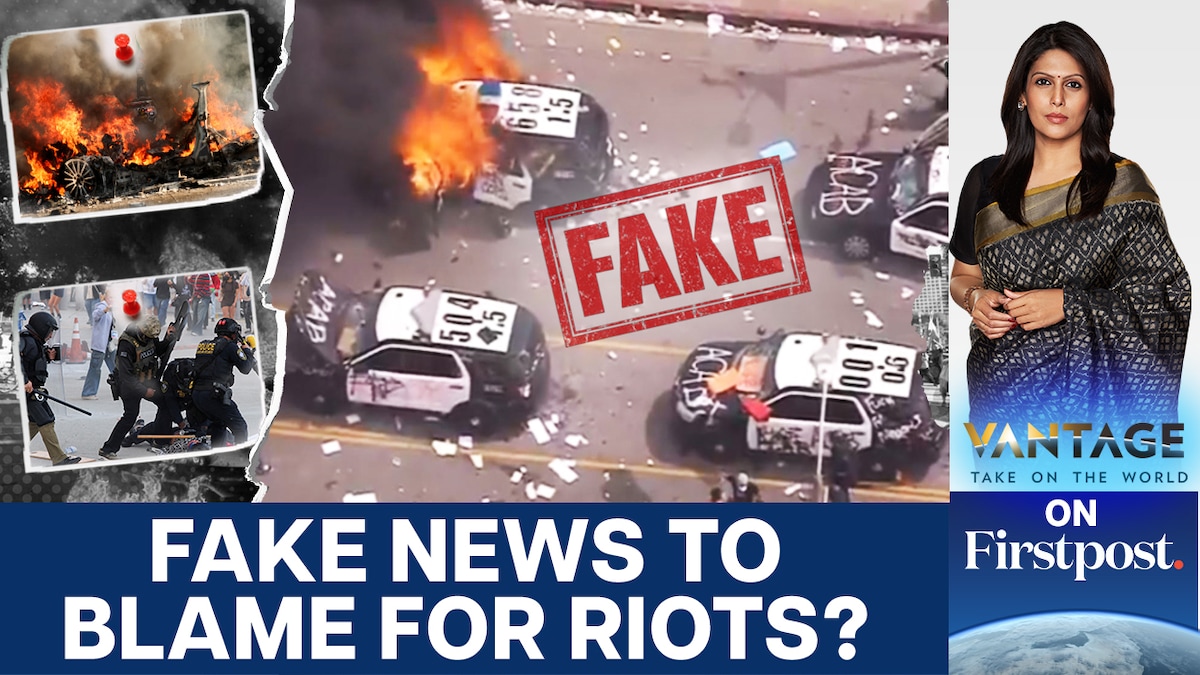
Misinformation Fuels Violence in Los Angeles
Los Angeles has been gripped by a surge of violence in recent days, fueled by a torrent of misinformation spreading rapidly across social media platforms. False narratives, manipulated videos, and outright conspiracy theories have inflamed tensions and exacerbated the unrest, creating a volatile environment where accurate information struggles to compete with sensationalized and fabricated content. This wave of misinformation has not only amplified existing divisions but has also instigated new clashes, hindering efforts to de-escalate the situation and restore calm to the city.
The proliferation of fake news has taken various forms, ranging from deep state conspiracies that paint the violence as a coordinated attack by shadowy government entities to doctored videos that misrepresent events on the ground. One prevalent narrative falsely claims that outside agitators are primarily responsible for the unrest, while another promotes the erroneous belief that law enforcement is deliberately targeting peaceful protesters. These fictitious claims, often lacking any basis in reality, circulate widely on social media, feeding into existing biases and fears. As these narratives gain traction, they contribute to an atmosphere of distrust and paranoia, further inflaming tensions and making it more difficult to distinguish fact from fiction.
One particularly insidious example of misinformation involves manipulated videos that distort the sequence of events or alter individuals’ actions to portray them in a negative light. In one instance, a video was edited to make it appear as if a protester initiated violence against a police officer, when in reality, the officer was the aggressor. This manipulated footage quickly went viral, inciting further outrage and escalating the conflict. Similarly, out-of-context images and videos from previous unrelated incidents have been resurfaced and falsely attributed to the current unrest in Los Angeles, creating a distorted and misleading picture of the situation.
The rapid spread of misinformation is facilitated by the echo chamber effect of social media algorithms, which tend to reinforce users’ existing beliefs by presenting them with content that aligns with their perspectives. This creates a feedback loop where individuals are increasingly exposed to information that confirms their preconceptions, while dissenting voices are silenced or marginalized. As a result, people become more entrenched in their views, making them more susceptible to manipulation and less likely to engage in critical thinking. This polarization further exacerbates the divide and contributes to the escalation of violence.
The consequences of this widespread misinformation are far-reaching and devastating. Not only does it endanger lives by inciting violence and hindering the efforts of law enforcement and peacekeepers, but it also erodes trust in institutions and undermines the ability of communities to heal and rebuild. The constant bombardment of false narratives creates a climate of fear and suspicion, making it difficult for individuals to discern the truth and make informed decisions. This erosion of trust extends to the media, government officials, and even community leaders, further exacerbating the sense of chaos and instability.
Combating this deluge of misinformation requires a multi-pronged approach. Social media platforms must take greater responsibility for the content shared on their platforms and implement more effective mechanisms for identifying and removing false information. Fact-checking organizations play a crucial role in debunking false narratives and providing accurate information to the public. News outlets must prioritize responsible reporting and avoid amplifying unverified claims. Finally, media literacy education is essential to equip individuals with the critical thinking skills necessary to discern fact from fiction in the digital age. By working together, individuals, organizations, and platforms can help to stem the tide of misinformation and create a more informed and less volatile environment.