


The Shifting Landscape of Political Disinformation: From Whispers to Weaponized Narratives
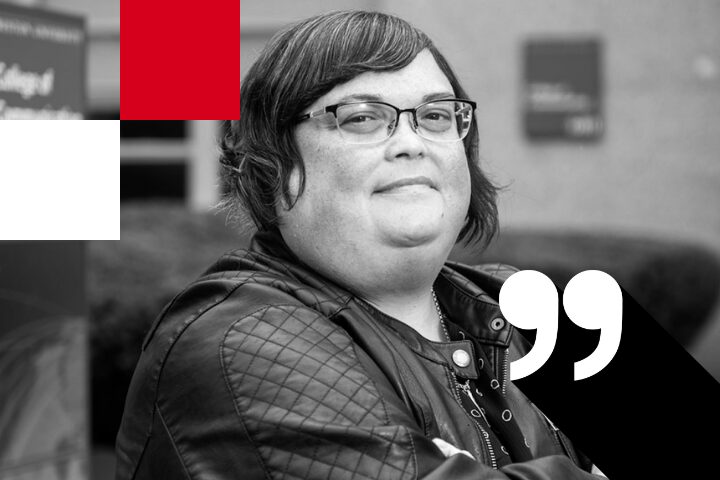
The 2024 election cycle witnessed a dramatic evolution in the deployment of political disinformation. No longer confined to the shadowy corners of social media, disinformation tactics have become increasingly brazen, spearheaded by prominent figures and amplified through mainstream channels. Dr. Joan Donovan, a leading expert on media manipulation and disinformation, highlights the strategic shift from covert operations to overt pronouncements, exemplified by Donald Trump’s inflammatory rhetoric during the presidential debates. Trump’s unfounded accusations about migrants, as Donovan points out, epitomize a classic disinformation strategy: demonizing vulnerable populations to scapegoat societal problems and deflect attention from more complex policy issues. This tactic, cynically embraced by figures like J.D. Vance, prioritizes the narrative over factual accuracy, exploiting public anxieties to solidify political support.
The evolution of disinformation tactics since 2016 is marked by distinct phases. Initially, the focus was on "fake news," the proliferation of fabricated stories designed to generate attention and, often, financial gain. This period saw the rise of clickbait farms and the exploitation of social media algorithms that prioritize sensational content. As Donovan explains, this early stage also witnessed more sophisticated manipulation orchestrated by individuals like Roger Stone and Steve Bannon, who crafted narratives to position Trump as an anti-establishment savior. By 2018, the focus shifted to the design of social media platforms themselves, with researchers highlighting the role of algorithms in amplifying misinformation. This led to increased scrutiny from tech companies and even Congressional inquiries into the spread of conspiracy theories online.
The 2020 election saw a further escalation in disinformation tactics, with a concerted effort to undermine the integrity of the electoral process. Trump’s preemptive claims of voter fraud, amplified through social media, laid the groundwork for contesting the election results. This period marked a critical turning point, according to Donovan, as it demonstrated the power of social media to mobilize large groups of people to action. Trump’s direct appeals to his supporters, bypassing traditional media outlets, underscored the potential for social media to be weaponized for political gain. The January 6th insurrection, a tragic consequence of this online mobilization, revealed the real-world dangers of unchecked disinformation campaigns.
The post-2020 landscape is characterized by a new level of openness in disinformation dissemination. No longer reliant on anonymous accounts or covert networks, prominent political figures openly espouse false narratives, often with the tacit approval of their supporters. Donovan’s research on the January 6th insurrection reveals that many participants were motivated by a belief in Trump’s claims of a stolen election, highlighting the persuasive power of these narratives. This shift necessitates a new approach to combating disinformation, one that addresses the underlying motivations and values that drive belief in these narratives.
For journalists navigating this complex information environment, Donovan emphasizes the critical importance of adhering to factual accuracy and resisting intimidation tactics. The increasing tendency of politicians to suppress critical reporting, through legal threats and personal attacks, demands a robust response from the journalistic community. Donovan advises journalists to develop personal security strategies, including measures to protect against doxing and legal harassment. She also stresses the need for news organizations to provide support and resources for their staff, including legal counsel and fact-checking mechanisms.
Furthermore, Donovan cautions against relying on platforms like X (formerly Twitter) for communication with sources, citing the lack of encryption and the potential for surveillance. She recommends using secure messaging apps like Signal to protect both journalists and their sources from potential exposure. This highlights the need for journalists to adapt their practices to the evolving digital landscape, prioritizing security and privacy in their communication strategies. The fight against disinformation requires a multi-pronged approach, involving not only journalists but also tech companies and government agencies, to address the complex interplay of technology, politics, and societal vulnerabilities.