


Measles Outbreak Fuels Misinformation Surge, Threatening Public Health Efforts
A significant measles outbreak is sweeping across the United States, with over 800 confirmed cases reported nationwide and Texas alone accounting for more than 624 cases. This resurgence of a preventable disease is alarming public health officials, who are battling not only the virus itself but also a wave of misinformation that is hindering vaccination efforts. The outbreak in Texas has been linked to cases in New Mexico and Kansas, highlighting the ease with which the highly contagious disease can spread. This concerning trend underscores the importance of widespread vaccination and accurate public health information. The current outbreak serves as a stark reminder of the critical role of vaccination in protecting communities from preventable diseases and the dangerous consequences of misinformation.
Compounding the challenge of containing the measles outbreak is the proliferation of false information about the disease and its vaccine. A recent Kaiser Family Foundation survey revealed a disturbing trend: a significant portion of the population, particularly Republicans, are susceptible to misinformation about measles. The survey found a stark partisan divide in awareness of the outbreak, with two-thirds of Democratic parents acknowledging the surge in measles cases compared to only one-third of Republican parents. This discrepancy highlights the influence of political polarization on public health perceptions and the urgent need for bipartisan efforts to combat misinformation. The spread of false information, often amplified through social media and online platforms, poses a serious threat to public health interventions and underscores the need for reliable, evidence-based information dissemination.
The misinformation surrounding measles includes dangerous falsehoods about the vaccine’s safety and efficacy. A substantial number of survey respondents incorrectly believe that the measles vaccine causes autism, is more dangerous than the disease itself, or that vitamin A can prevent measles infections. These misconceptions, some of which have been promoted by prominent anti-vaccine figures, have real-world consequences. Cases of vitamin A toxicity have been reported in Texas, underscoring the dangers of relying on unverified information. Public health experts emphasize the importance of consulting with healthcare professionals and relying on credible sources for information about vaccines and disease prevention. The current situation underscores the urgent need to address vaccine hesitancy and counter misinformation with accurate, evidence-based information.
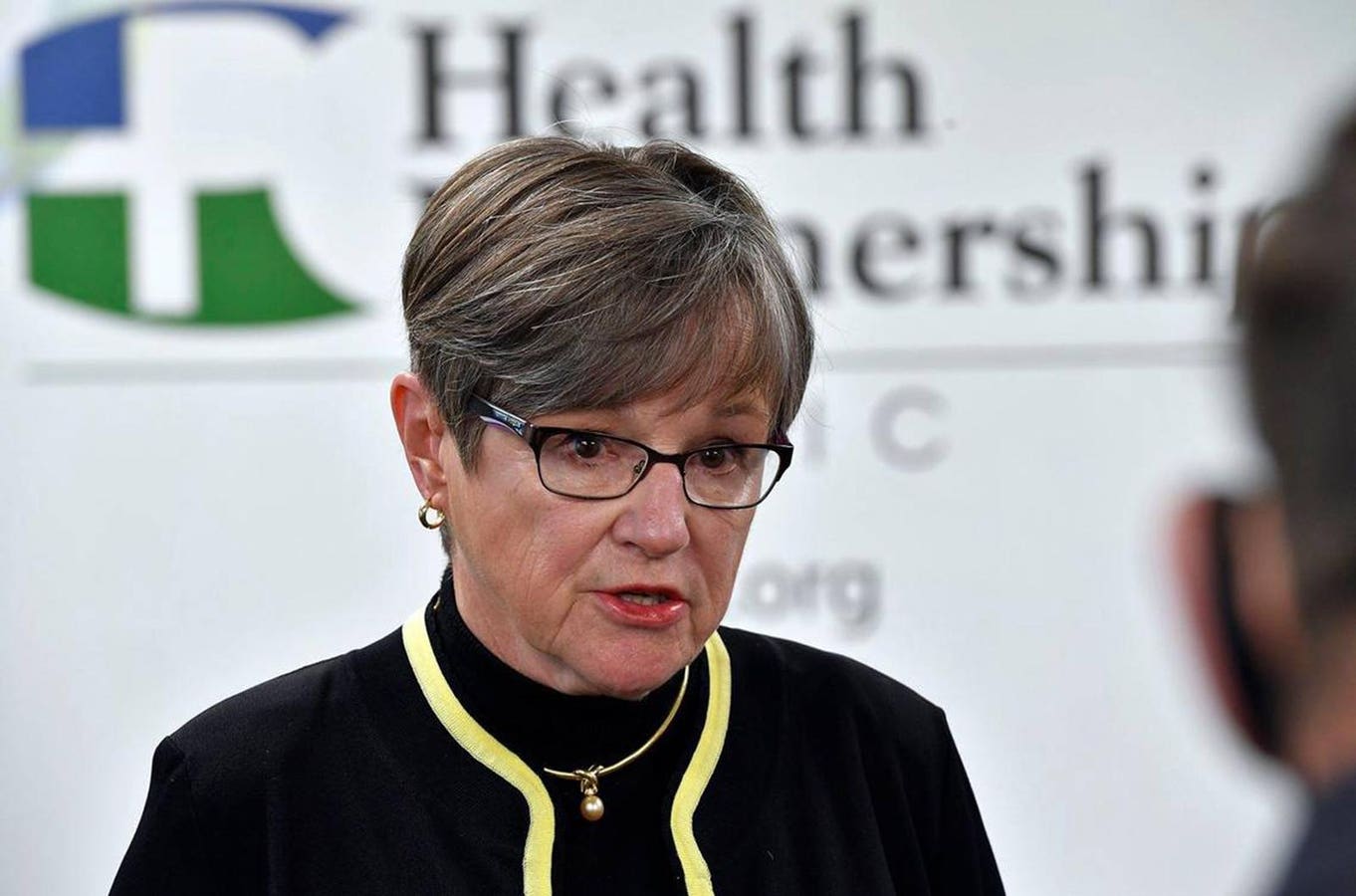
In Kansas, where 37 measles cases have been reported since mid-March, Governor Laura Kelly issued a strong call for vaccination, placing blame on the anti-vaccine movement for exacerbating the outbreak. Urging parents to seek reliable information from medical professionals, Governor Kelly emphasized the importance of informed decision-making. Her message highlights the crucial role of political leadership in promoting public health and countering the influence of misinformation campaigns. The outbreak in Kansas, linked to the larger outbreak in Texas, underscores the need for coordinated public health efforts across state lines to effectively control the spread of the disease.
Beyond the immediate crisis of the measles outbreak, the spread of misinformation highlights a broader challenge to public health. The erosion of trust in scientific institutions and the proliferation of false information online pose a significant threat to efforts to control preventable diseases. Addressing this challenge requires a multi-pronged approach, including strengthening public health communication, improving media literacy, and holding social media platforms accountable for the spread of misinformation. The measles outbreak serves as a stark reminder of the importance of investing in public health infrastructure and promoting evidence-based decision-making.
The intersection of politics, public health, and misinformation is further illustrated by the Trump administration’s scrutiny of medical journals. The Department of Justice has sent letters to several medical journals, including CHEST and the New England Journal of Medicine, inquiring about their editorial practices and suggesting potential bias. These inquiries have raised concerns about potential political interference in scientific research and the importance of protecting academic freedom. The medical community has responded with strong affirmations of the importance of editorial independence and the right to free expression. This incident underscores the vital role of independent scientific research and the need to protect it from political influence. The scrutiny faced by these journals highlights the broader challenges to scientific integrity in a politically charged environment.