


The Power of Diverse Identities: A Shield Against Misinformation
In today’s information-saturated world, misinformation poses a significant threat to individuals and society. While factors like critical thinking skills and media literacy are crucial for navigating this landscape, a less explored but equally important factor is the diversity of our social identities. Our identities – be it political, religious, professional, or recreational – shape how we perceive the world, process information, and interact with others. A richer, more complex set of social identities can act as a buffer against misinformation, fostering open-mindedness, reducing bias, and enhancing resilience.
Our social identities provide us with a sense of belonging and self-worth. We align ourselves with shared values and beliefs, which can strengthen our self-esteem. This very human tendency, however, can also make us susceptible to biases. When our identities are challenged, we instinctively defend them, sometimes even in the face of contradictory evidence. This dynamic is particularly evident in the political arena, where strong partisan identities can lead to the acceptance and spread of misinformation that aligns with pre-existing beliefs. Research consistently shows that individuals with homogeneous social networks, especially in the political sphere, are more vulnerable to misinformation. This echo chamber effect reinforces existing biases and makes it difficult to critically evaluate information that challenges those biases.
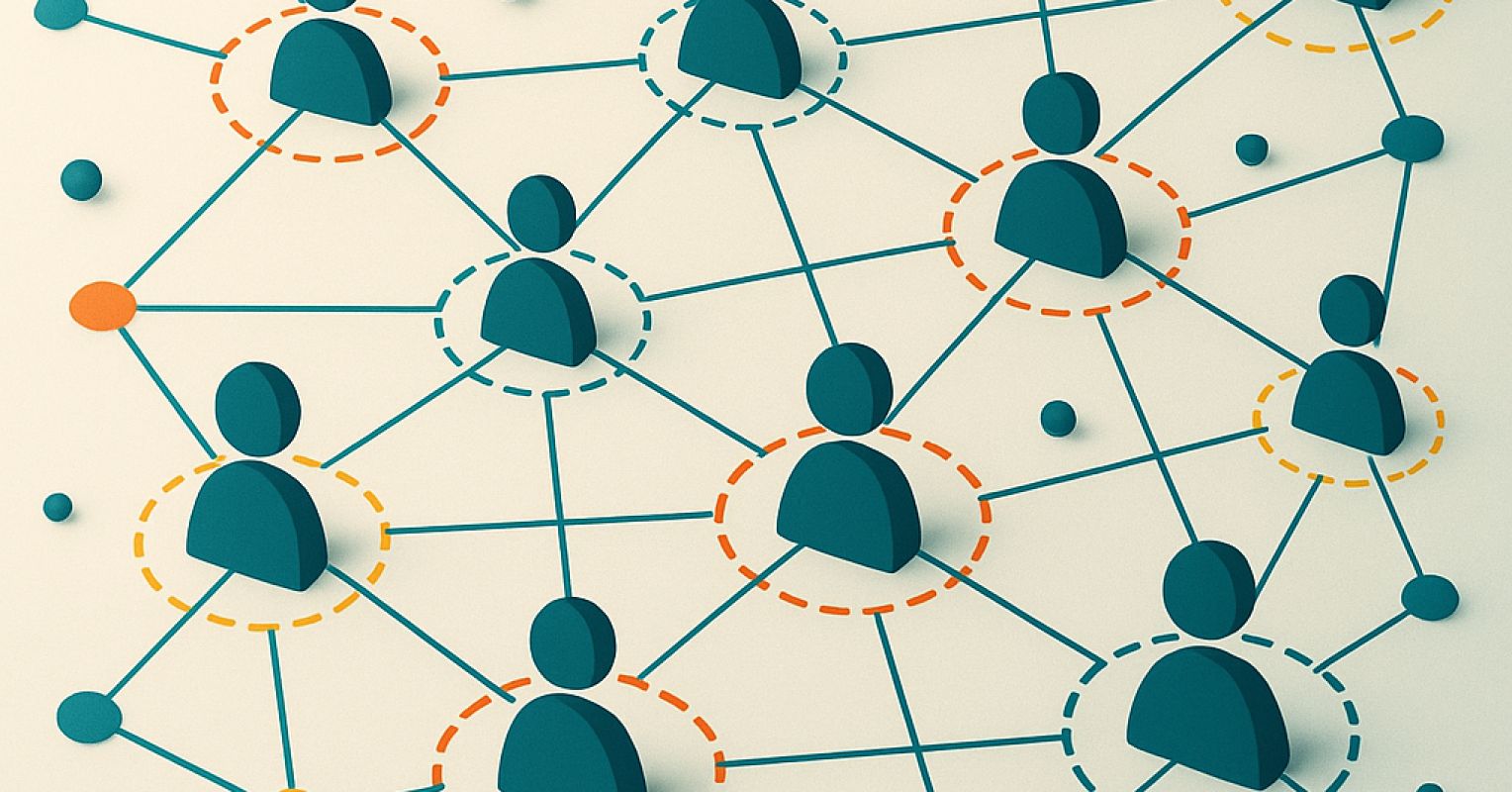
Conversely, a diverse network of social identities can act as a protective shield. Exposure to diverse perspectives and viewpoints weakens the hold of any single identity, promoting critical thinking and reducing the likelihood of accepting information at face value. Individuals with more ideologically diverse networks tend to exhibit less polarized beliefs and are more open to considering alternative perspectives. Meaningful conversations across differences can bridge divides and foster mutual understanding, decreasing the power of misinformation to sow discord.
Beyond simply having diverse connections, the complexity of those identities is crucial. Social identity complexity refers to the degree to which our multiple identities are distinct and independent from one another. Someone with high social identity complexity might be a scientist, a musician, a parent, and a volunteer, each identity enriching their life in different ways. When one identity is challenged, they can draw strength and perspective from their other roles, preventing an overreliance on any single aspect of their self-concept. This multifaceted sense of self fosters resilience and reduces the likelihood of feeling personally attacked when encountering information that contradicts one particular identity.
Low social identity complexity, on the other hand, occurs when our various identities heavily overlap. Imagine someone whose political views, religious beliefs, and social circle are all tightly intertwined. A challenge to their political beliefs, for instance, could feel like an attack on their entire sense of self, leading to defensiveness and a rejection of the challenging information. This vulnerability stems from having a limited set of values and meanings from which to derive self-esteem, making it difficult to objectively process information that threatens those core values.
Cultivating greater social identity complexity is not only beneficial for individuals but also for society as a whole. Addressing the growing problems of isolation and loneliness requires creating more opportunities for diverse individuals to connect and build meaningful relationships. Community events, shared activities, and cross-cultural exchanges can foster social identity complexity and strengthen social cohesion. At a personal level, individuals can actively expand their identities by joining new groups, volunteering in different settings, or seeking friendships with people from diverse backgrounds.
In a world rife with misinformation, building a diverse and complex set of social identities is akin to constructing a fortress against manipulation and polarization. When our sense of self is rooted in a multitude of roles and communities, we become more open, flexible, and resilient. We are less likely to cling to misinformation that validates a single, dominant identity. Strengthening social identity complexity is not just a personal defense against misinformation; it is a vital step towards building a more connected, understanding, and resilient society. By embracing diversity and complexity, we can navigate the complexities of the information age with greater clarity and wisdom. This approach empowers us to critically evaluate information, engage in constructive dialogue, and resist the divisive forces of misinformation. Ultimately, fostering a rich tapestry of identities strengthens not only our individual well-being but also the fabric of our communities and the health of our democratic discourse. It is an investment in a more informed, tolerant, and resilient future.