


Homeowner’s Quest for Eco-Friendly Landscaping Exposes Invasive Species Dilemma
A homeowner’s well-intentioned effort to replace a fallen tree with a smaller shade tree took an unexpected turn when they discovered the recommended Amur maple was an invasive species. The homeowner, seeking advice on Reddit, expressed concern over the potential harm to native plants in their Maryland yard. This incident highlights a growing awareness among homeowners about the ecological impact of landscaping choices and the challenges in navigating misinformation and readily available invasive plants.
The online community swiftly responded to the homeowner’s plea, urging them to return the Amur maple and opt for a native tree species. Commenters pointed out the widespread invasive nature of the Amur maple across the eastern United States, reinforcing the homeowner’s decision to return the tree. The experience underscores the valuable role online communities play in disseminating information and providing support for environmentally conscious choices.
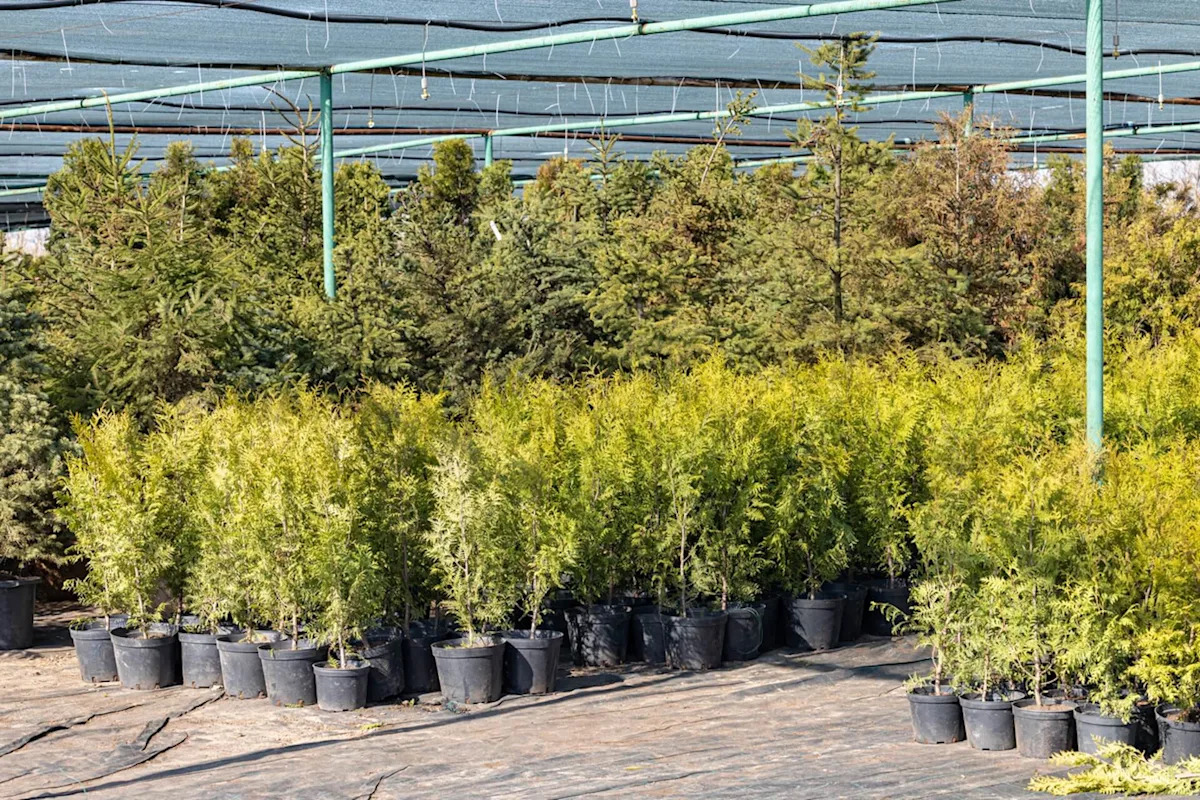
Despite the homeowner’s commitment to choosing a responsible replacement, returning the Amur maple proved more challenging than anticipated. The nursery owner was reportedly reluctant to accept the returned tree and offered limited alternatives, leaving the homeowner feeling frustrated and questioning the ease of finding suitable native replacements. This encounter exposes the disconnect between consumer demand for eco-friendly options and the availability of native plants in commercial nurseries.
The incident sparked further discussion about the widespread sale of invasive species and the potential ecological damage they inflict. Commenters criticized nurseries for prioritizing profit over environmental responsibility, highlighting the need for greater accountability and stricter regulations to prevent the sale of invasive plants. The persistence of this practice underscores the importance of educating consumers about the risks associated with invasive species and empowering them to make informed decisions.
The homeowner’s experience serves as a cautionary tale for others seeking to create sustainable landscapes. Resources like the National Wildlife Federation’s native plant finder offer valuable guidance in selecting appropriate plants that support local biodiversity and create beneficial habitats. By promoting such resources, individuals can contribute to a larger effort to protect and restore native ecosystems.
The homeowner’s story underscores the complex interplay between individual actions, commercial practices, and ecological consequences. It emphasizes the need for greater awareness, readily available information, and responsible business practices to ensure that well-intentioned landscaping choices contribute to environmental sustainability rather than ecological harm. The growing awareness of invasive species and the demand for native alternatives signal a positive shift towards more ecologically conscious landscaping practices, but further efforts are needed to ensure widespread adoption and accessible resources for all. The homeowner’s dilemma highlights the importance of continued education, community engagement, and responsible business practices in fostering a more sustainable approach to landscaping and ecosystem preservation.