








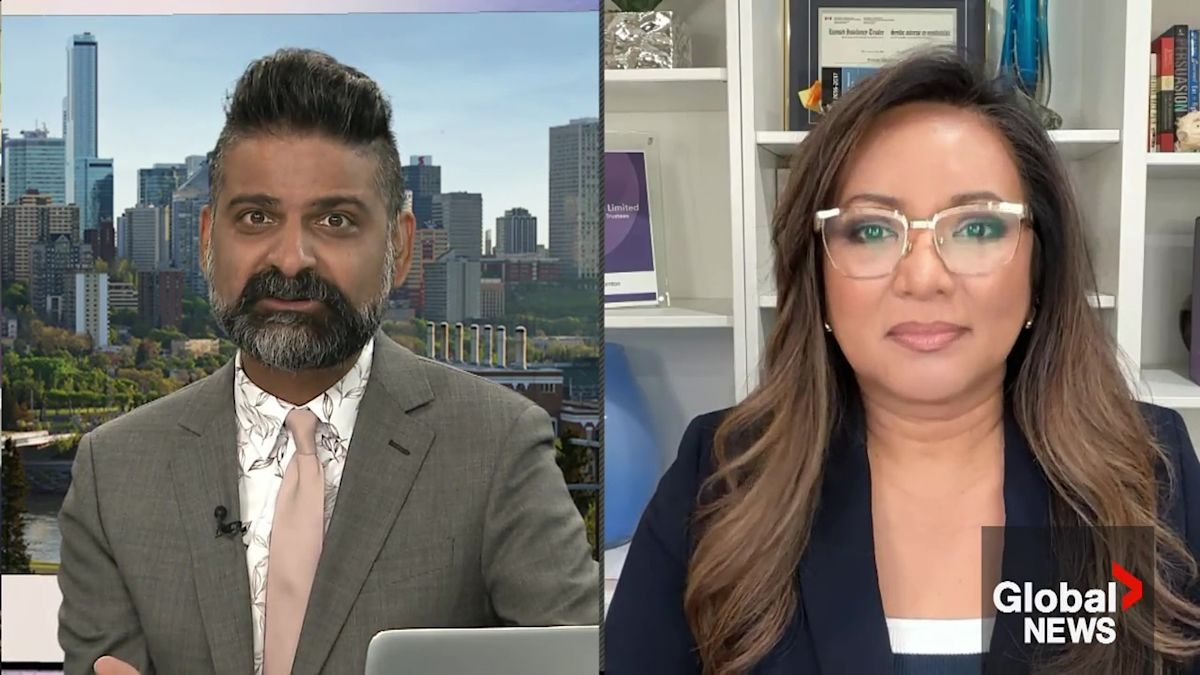
Canadians spend an average of two hours a day scrolling through social media, a habit that has become as routine as pouring a morning coffee. In that time, they encounter a curated stream of content from friends, family, and an ever-growing legion of social media influencers. These digital personalities, ranging from lifestyle gurus and beauty experts to travel bloggers and fitness coaches, have seamlessly integrated themselves into our daily lives, and their impact on our financial decisions is undeniable. As consumers, we increasingly look to these influencers for product recommendations, trusted advice, and lifestyle inspiration, often without consciously realizing the powerful effect they have on our wallets. It’s not surprising that many Canadians, immersed in a perpetual feed of glossy, aspirational content, find themselves making purchasing decisions based on a single post, video, or story – sometimes even if it means spending well beyond their means. It is this growing intersection of digital influence and personal finance that prompted a recent, in-depth study by the financial recovery firm Doane Grant Thornton, which was brought to light on Global News Morning Edmonton. To unpack the findings and discuss the tangible ways social media can affect your pocketbook, Freida Richer, a licensed insolvency trustee, joined the show, offering a stark and authoritative perspective on a topic that affects millions of households across the country.
The mechanics of how influencers shape our spending are multifaceted and deeply ingrained in the psychology of social media. When we log onto platforms like Instagram, TikTok, or YouTube, we enter a world where the lines between authenticity and advertising are often blurred. Influencers frequently employ a variety of subtle and overt tactics to drive consumer behavior, including sponsored posts, affiliate links, and promotional codes that offer a discount in exchange for a purchase. A review of a new skincare product, a workout outfit worn in a perfectly filmed gym, or a chicly decorated home in a “day in the life” video can trigger an immediate desire to emulate that lifestyle. This is further amplified by the ‘fear of missing out’ (FOMO); when we see someone we follow wearing a particular brand or using a specific gadget, the urge to purchase becomes tied to a deep-seated need to belong or keep up. The study highlighted that these tactics are particularly effective because they target the emotional and aspirational parts of our brains rather than the rational and logical ones. Moreover, the sheer volume of content we consume means we are bombarded with thousands of marketing messages daily, making it exceedingly difficult to distinguish between a genuine, organic recommendation and a paid advertisement. This constant exposure validates the two-hour average usage statistic, where even a short scroll can result in encountering multiple products that seem tailor-made to appeal to our specific interests, making the temptation to spend almost irresistible.
Delving into the specific findings of the Doane Grant Thornton study, Richer revealed some concerning statistics that tie influencer culture directly to financial strain. According to the research, a significant portion of Canadians admitted to making a purchase directly based on a recommendation from an influencer in the past year, with a substantial number of these individuals stating they later regretted the purchase. The study found that impulse buying is rampant, with many respondents confessing to making unplanned purchases up to several times a month after seeing an influencer endorse a product. More alarmingly, the research indicated a strong correlation between heavy social media usage and the likelihood of overspending, particularly among younger demographics like Gen Z and Millennials, who are often still establishing their financial footing. The study also examined the rising trend of ‘buy now, pay later’ (BNPL) services, which have become increasingly promoted by influencers. These services, which allow consumers to split a purchase into smaller, interest-free installments, are often marketed as a convenient and harmless way to acquire items. However, the research suggested that they can encourage spending without a full comprehension of the long-term financial commitment, essentially allowing consumers to accumulate debt in a deceptively painless manner. This finding underscores a critical insight: it is not just the direct purchase price that causes financial harm, but also the hidden mechanisms and financing options that are cleverly integrated into the influencer selling ecosystem, which can lead to a snowball effect of accumulating debt without conscious awareness.
Freida Richer’s commentary on Global News Morning Edmonton provided a crucial human element to the data, offering a front-line perspective on the consequences of influencer-driven spending. As a licensed insolvency trustee, Richer regularly meets with individuals and families who are struggling with unmanageable debt, and she observed that the influence of social media is increasingly a common thread in these financial nightmare scenarios. “What we see in my office is the end result of a lifestyle that was heavily curated online,” she stated. “People come in with massive credit card bills, consumer proposals, and bankruptcies, and often they trace it back to a pattern of trying to keep up with what they see on their feeds. It paints a very unrealistic picture of wealth and success.” Richer emphasized that the ‘compare and despair’ phenomenon is a dangerous trap, as influencers often portray a life filled with luxury vacations, expensive clothing, and refined dining, without showing the financial stress, sponsorship deals, or other behind-the-scenes factors that make that lifestyle possible. She highlighted a crucial disconnect between the digital world and financial reality, noting that while consumers see the final, polished result, they do not see the debt, the struggles, or the financial compromises that might be involved. Richer’s expert insight serves as a cautionary tale, warning viewers that the immediate satisfaction of an influencer-approved purchase can lead to long-term financial pain, a message that is particularly resonant in an era where consumerism is highly digitized and personalized.
Beyond the individual wallet, Richer and the study also shed light on the broader economic and social implications of this trend. The pervasive influence of social media on spending is not just a personal finance issue; it contributes to the worrying levels of consumer debt across the country. Canada has one of the highest household debt levels among G7 nations, and while many factors contribute to this, the ease of impulse buying facilitated by social media certainly plays a role. The study noted that the average overspending attributed to influencer marketing can take a significant toll on savings, retirement plans, and financial security. Moreover, the psychological toll cannot be overlooked. The constant stream of idealized lifestyles can lead to increased anxiety, low self-esteem, and a sense of inadequacy, which paradoxically drives further consumption as individuals seek to alleviate these negative feelings through acquisitions. This creates a vicious cycle: social media induces unhappiness, the unhappiness prompts buying, and the buying leads to financial stress, which amplifies the unhappiness. The study emphasized that this effect is stronger than simple advertising because it is personalized, social, and deeply integrated into our daily relationships and perceptions of normalcy. It creates a culture of materialism and instant gratification that can be extremely hard to break, altering our values and priorities, and ultimately leaving many feeling that they are running on a treadmill, never quite achieving the financial peace and stability they see promised online.
In response to these concerning findings, Richer offered practical advice for consumers to protect themselves from falling prey to the financial pitfalls of social media. She advocated for a more conscious and critical approach to consuming digital content. One straightforward recommendation is to conduct an audit of one’s social media feeds and deliberately unfollow accounts that consistently promote products or make you feel inadequate or pressured to spend. Instead, curating a feed that features educational, inspirational, or financially supportive content can help create a healthier online environment. Richer also stressed the importance of implementing a ‘cooling-off period’ before making any purchase, especially those seen on social media. By waiting 24 to 48 hours before completing a transaction, consumers can break the impulsive cycle and determine if they genuinely need or want the item, or if it was merely a fleeting desire triggered by an appealing post. Setting and sticking to a detailed budget is also fundamental; knowing exactly how much money is available for discretionary spending can serve as a powerful guardrail against overspending. Furthermore, she advised being wary of BNPL services, urging consumers to read the fine print and understand the full terms and potential fees associated with these payment plans. Ultimately, Richer reiterated that the most crucial takeaway is to recognize that influencers are often paid to sell, and their primary goal is not your financial well-being. By separating the emotional appeal of the content from the financial reality of a purchase and taking proactive steps to manage spending mechanisms, Canadians can reclaim control over their finances and ensure that their two hours of daily scrolling doesn’t translate into a lifetime of debt and financial hardship.


