


Australia Grapples with Social Media Ban for Under-16s: A Balancing Act Between Protection and Connection
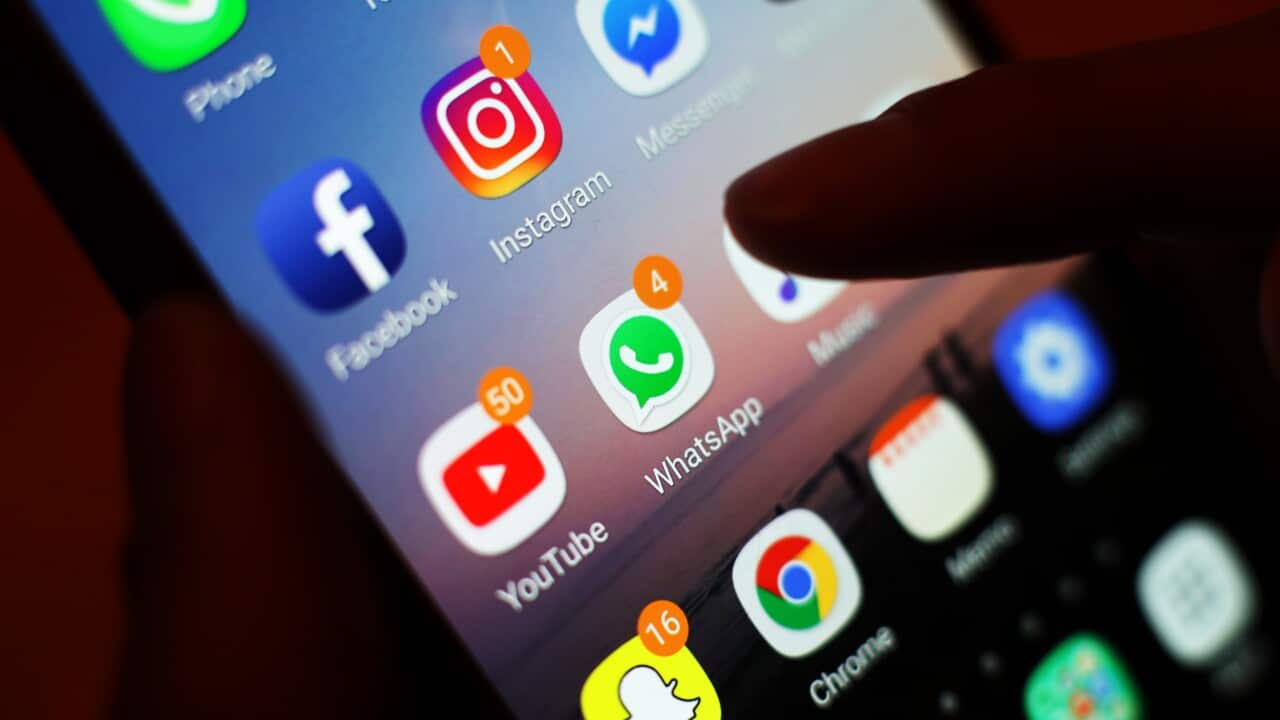
Australia is poised to implement a controversial ban on social media access for children under 16, sparking a heated debate about online safety, freedom of expression, and the potential impact on young people, particularly those from migrant communities. The legislation, slated to take effect later this year, aims to shield children from the perceived harms of platforms like TikTok, Facebook, and Instagram, but critics argue it’s a heavy-handed approach with unintended consequences.
Proponents of the ban, including Prime Minister Anthony Albanese, emphasize the need to protect children from online bullying, harmful content, and the potential for addiction. They cite research linking excessive social media use to mental health issues, sleep disturbances, and difficulty concentrating. Educators like Anu Koirala also voice concerns about peer pressure and the detrimental effects of harmful content, advocating for children to prioritize their studies over online engagement.
However, others view the ban as a blunt instrument that fails to address the root causes of online harm. Media law expert Faith Gordon argues that tech-savvy youngsters can easily circumvent the restrictions through VPNs, rendering the legislation ineffective. She also raises concerns about isolating children from migrant communities, who often rely on social media to connect with family and maintain cultural ties. This sentiment is echoed by parents like Rahul Pokharel, who acknowledges the risks but also emphasizes the value of social media in fostering connections with relatives overseas.
The debate also highlights the tension between parental rights and government intervention. Some parents, like Angel Huang, believe they should have the autonomy to decide what’s best for their children and already actively monitor their online activity. They argue that a blanket ban undermines parental authority and fails to recognize the diverse ways families manage online access.
Furthermore, the ban raises questions about the efficacy of such measures in addressing online bullying. Young social media users like Kriti Regmi argue that bullying persists across various platforms and offline settings, suggesting the ban merely shifts the problem rather than solving it. They question whether the government has fully considered the complexities of online behavior and the potential for unintended consequences.
Ultimately, the impending social media ban in Australia underscores the ongoing struggle to navigate the digital landscape and balance the benefits of online connectivity with the risks to young people’s well-being. The debate continues to unfold, with stakeholders on both sides advocating for solutions that prioritize children’s safety while respecting their rights and fostering healthy digital habits. The long-term impact of this legislation remains to be seen, but it undoubtedly marks a significant shift in how Australia addresses the challenges of raising children in the digital age. Striking the right balance between protection and connection will require ongoing dialogue, research, and a nuanced understanding of the evolving online world.