


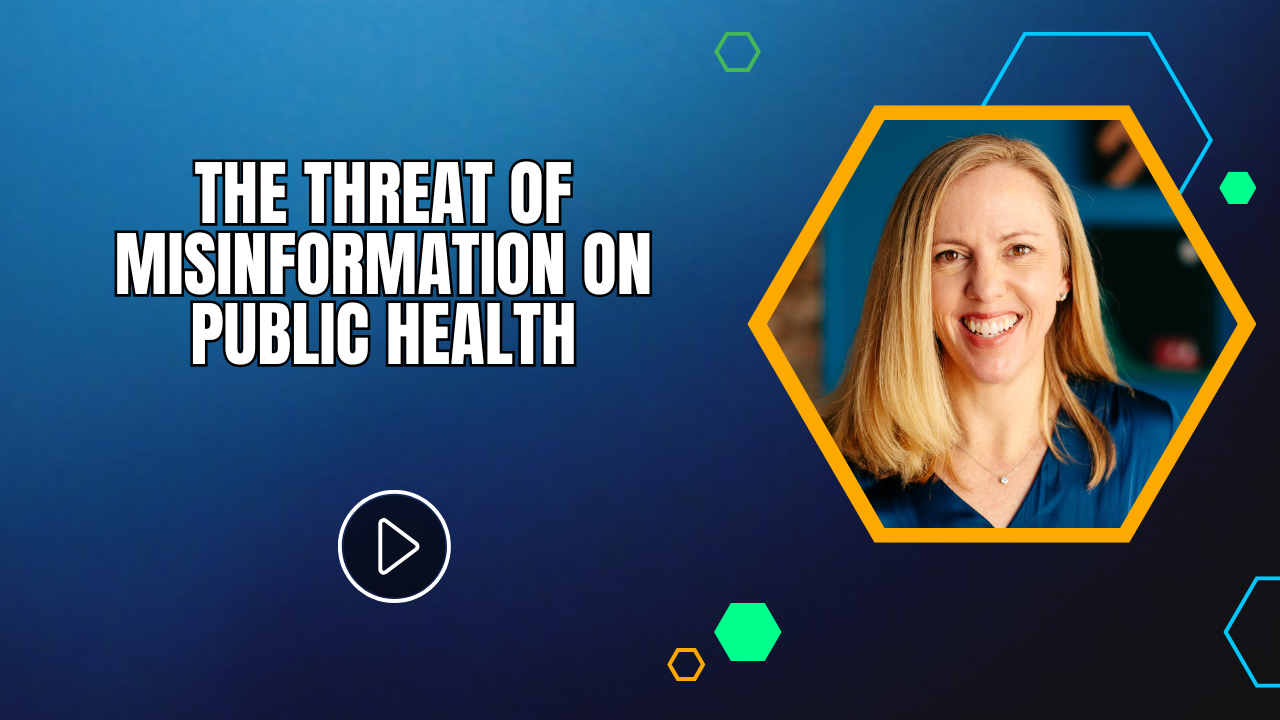
The Looming Threat of Misinformation in the Digital Age: Navigating the Murky Waters of Health Information
In an era dominated by digital platforms and the relentless flow of information, the threat of misinformation to public health has reached alarming proportions. Jen Butler, Chief Commercial Officer for Pleio, underscores the gravity of this issue in a recent interview, highlighting the profound impact of false narratives on patient trust and well-being. Citing a 2021 report by former Surgeon General Vivek Murthy, Butler emphasizes the pervasive nature of misinformation and its tendency to spread more rapidly than factual information due to its emotional resonance. This phenomenon, she argues, fuels anxiety, confusion, and mistrust, eroding the very foundations of public health efforts.
The report by Murthy, published in the wake of the COVID-19 pandemic, presciently warned about the evolving information landscape and the potential pitfalls of social media platforms. Even four years ago, the Surgeon General recognized the power of emotionally charged content to capture attention and influence public perception. A study cited in the report revealed that false news is shared 70% more frequently than accurate information, highlighting the seductive nature of emotionally appealing narratives. While not directly addressing "fake news," Butler acknowledges the parallel implications for health information, stressing the critical need for patients to access reliable sources and avoid the downward spiral of doubt and anxiety fueled by misinformation.
The rise of platforms like TikTok and the advent of artificial intelligence have further complicated the information landscape, amplifying the challenges outlined in Murthy’s report. The immediacy and accessibility of these technologies, while offering potential benefits, have also created fertile ground for the proliferation of misinformation. Butler points to the allure of patient communities and influencer opinions found within these online spaces, emphasizing the comfort and sense of connection they offer. However, she cautions against relying solely on anecdotal experiences and emphasizes the need for validated information from credible sources. Opinions, while valuable for fostering awareness, cannot replace evidence-based medical knowledge.
The integration of AI, while promising for information retrieval and analysis, introduces another layer of complexity. Butler acknowledges the potential for AI "hallucinations," where the information generated may be inaccurate or misleading. The sheer volume of available information, while a significant departure from the information scarcity of the past, demands a heightened level of media and health literacy. Individuals must possess the critical thinking skills to discern fact from fiction and differentiate between credible sources and opinion-based narratives.
To combat the pervasive influence of misinformation, Butler advocates for a multi-pronged approach. Patients are encouraged to seek information directly from trusted sources such as the Cleveland Clinic, Mayo Clinic, and Kaiser Permanente. These institutions are recognized for their commitment to evidence-based medicine and their dedication to providing accurate and reliable health information. Pharmaceutical companies, according to Butler, have a role to play in supporting patient communities with educational resources and initiatives that foster health literacy.
Furthermore, Butler suggests leveraging peer-to-patient platforms as a means to enhance patient engagement and adherence to treatment plans, especially for chronic conditions. These platforms can offer a supportive environment where patients can share experiences, learn from one another, and receive encouragement while navigating the challenges of their respective illnesses. By combining the power of patient communities with access to credible medical information, these platforms can play a crucial role in empowering patients to make informed decisions about their health. The challenge lies in ensuring that these platforms prioritize evidence-based information and maintain the trust and safety of their users by actively moderating content and combating the dissemination of misinformation.