


Nationalism’s Shadow: How Patriotic Fervor Fuels Anti-Minority Conspiracy Theories
In an era marked by rising nationalist sentiments across the globe, a disturbing trend has emerged: the proliferation of conspiracy theories targeting minority groups. From China and Russia to India and Pakistan, these narratives portray marginalized communities as treacherous agents working against national interests, often in collusion with foreign powers. While anecdotal evidence suggests a link between nationalism and such misinformation, rigorous scholarly examination has been lacking. This article explores this complex relationship, drawing on the research of Dr. Niloufer Siddiqui, Associate Professor at the University at Albany-State University of New York, who argues that nationalist sentiment can indeed fuel negative perceptions and the spread of misinformation about minority groups, particularly those advocating for their rights.
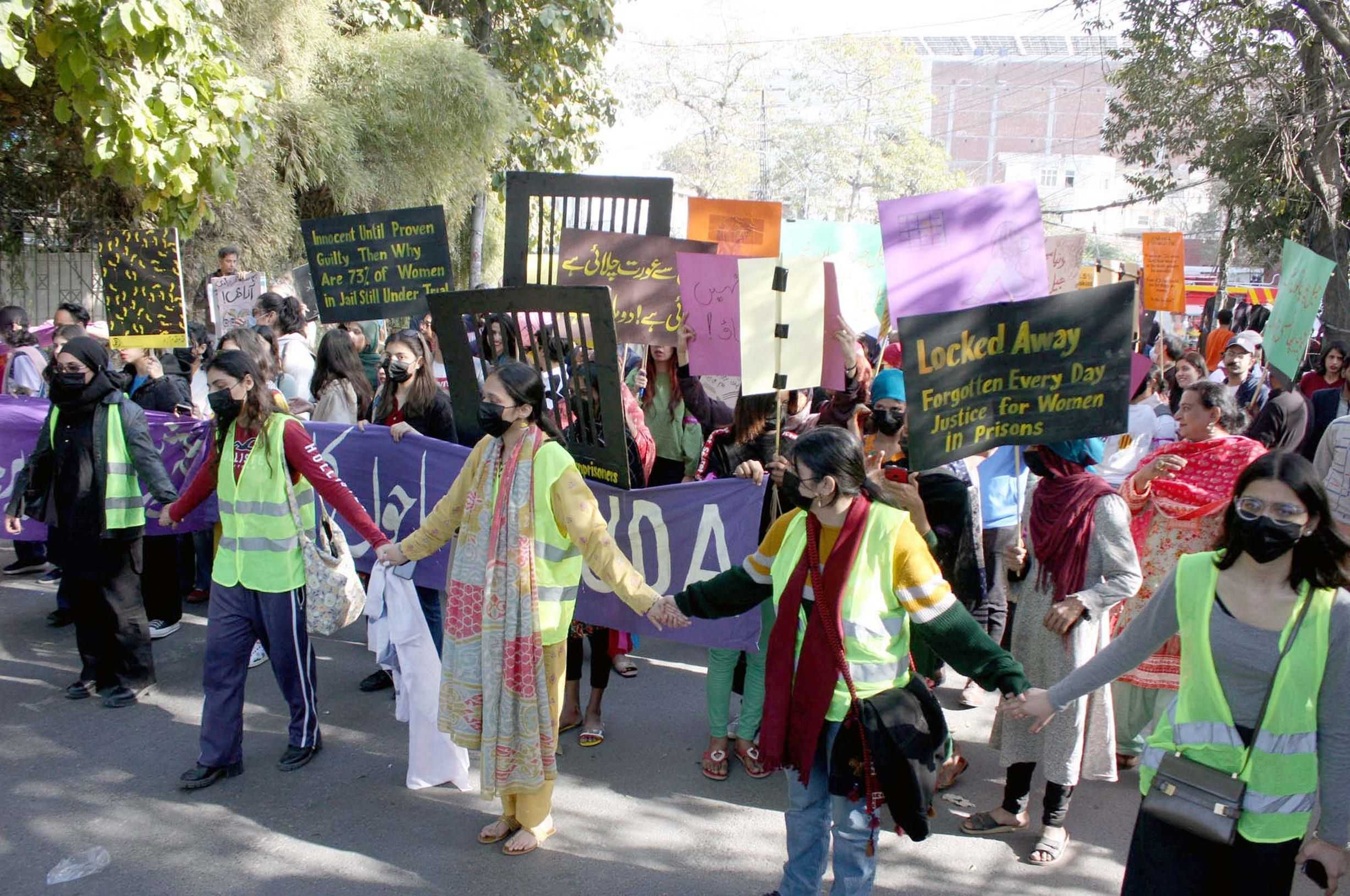
Dr. Siddiqui’s work focuses on Pakistan, a country where conspiracy theories alleging collusion between ethnic rights groups and hostile foreign powers have long been prevalent. Today, these narratives have expanded to target women’s rights movements, often labeling them as mere mouthpieces of Western influence. Even Malala Yousafzai, the Nobel Peace Prize laureate celebrated globally for her advocacy for girls’ education and human rights, faces skepticism and accusations within her home country, with some claiming she fabricated the Taliban attack that nearly took her life. Dr. Siddiqui contends that the Malala phenomenon exemplifies how nationalism can generate negative sentiment, including misinformation, towards marginalized groups seeking their rights.
Central to Dr. Siddiqui’s argument is the notion that nationalism intensifies concerns about a nation’s standing on the global stage. This heightened sensitivity to international perception can drive individuals to project an exclusively positive image of their country, often at the expense of acknowledging the legitimate concerns of marginalized communities within. This motivated bias can lead to the suspicion and demonization of rights-seeking minority groups, who are frequently perceived as “fifth columns” undermining national unity and progress.
To investigate this link empirically, Dr. Siddiqui employs a multi-method approach combining surveys, survey experiments, and focus groups. Her findings reveal a clear pattern: heightened nationalist sentiment correlates with increased anxiety about national image. This anxiety, in turn, motivates individuals to downplay or dismiss the grievances of marginalized groups, fostering an environment where conspiracy theories targeting these groups can thrive. The research suggests that when national pride becomes paramount, the voices and concerns of those deemed to tarnish that image are readily silenced and discredited.
The implications of these findings extend beyond Pakistan. Across the globe, rising nationalism is creating fertile ground for the dissemination of misinformation and conspiracy theories aimed at minority groups. By associating these groups with external threats and internal subversion, nationalist narratives effectively undermine their legitimacy and justify discriminatory practices. This phenomenon poses a significant challenge to social cohesion and democratic values, as it fuels intolerance and undermines the rights and freedoms of vulnerable populations.
Understanding the mechanisms that connect nationalism to the spread of misinformation is crucial for developing effective counter-narratives and promoting inclusive societies. Dr. Siddiqui’s research provides valuable insights into this complex dynamic, shedding light on the psychological processes that underpin the demonization of minority groups in nationalist contexts. Her work underscores the urgent need for critical engagement with nationalist narratives and the promotion of media literacy to combat the harmful effects of misinformation. By addressing the root causes of this phenomenon, we can strive to create societies where patriotism and respect for diversity coexist, rather than clashing at the expense of vulnerable communities.