


The Looming Threat of Disinformation in the Insurance Industry
In an era defined by the rapid dissemination of information, the insurance industry faces a growing challenge: disinformation. Defined as the deliberate spread of false or inaccurate information, disinformation poses a significant threat to the integrity of the insurance ecosystem. This insidious practice undermines the very foundation of the industry, which relies on accurate data and a trustworthy information environment to function effectively. From distorting claim assessments to eroding public trust, the consequences of disinformation can be far-reaching and detrimental.
The insurance industry operates on the principle of good faith, requiring transparency and honesty from all parties involved. However, the proliferation of disinformation, often fueled by sophisticated AI-powered bots and trolls, creates a murky landscape where truth becomes obscured. These malicious actors engage in coordinated disinformation campaigns, strategically spreading misleading narratives across social media platforms and online forums. The sheer volume and speed at which this false information spreads make it exceedingly difficult to detect and counter, particularly within the echo chambers of social media groups.
The dangers of disinformation extend far beyond the realm of insurance. Consider the impact on public health campaigns, such as vaccination drives during the COVID-19 pandemic. Disinformation campaigns targeting vaccine safety sowed seeds of doubt and distrust, hindering efforts to control the virus and ultimately costing lives. Similar scenarios can arise in the insurance context, with false narratives potentially swaying public opinion against insurers, fueling litigation, and creating a climate of suspicion.
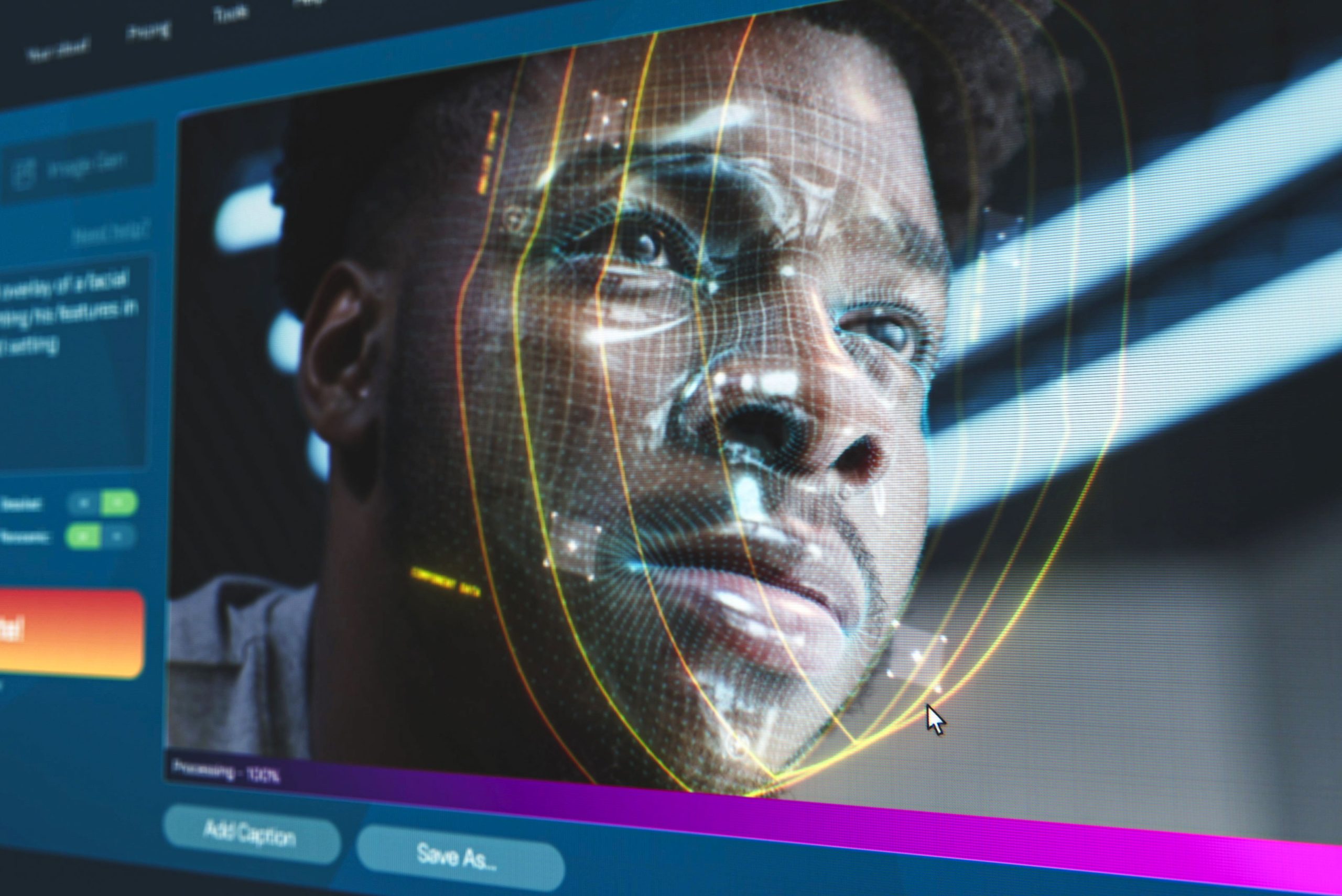
One of the most insidious aspects of disinformation is its ability to mimic credible news sources. The rise of AI-powered tools capable of generating realistic-looking news reports has blurred the lines between fact and fiction. These fabricated reports, often designed to resemble articles from reputable news outlets, can easily mislead the public, eroding trust in both media institutions and the insurance industry itself. The veneer of authenticity provided by these AI-generated articles makes it increasingly difficult for individuals to discern truth from falsehood, leaving them vulnerable to manipulation.
The implications of disinformation are not confined to public perception. The legal system, too, can be susceptible to its influence. Fake news and fabricated evidence can mislead legal professionals and jurors, subtly reinforcing their biases and clouding their judgment. This can lead to skewed interpretations of evidence and ultimately compromise the fairness and objectivity of legal proceedings. In the insurance context, this could translate into unfair claim settlements or even wrongful convictions in cases involving fraud.
Combating the scourge of disinformation requires a multi-pronged approach. Increased media literacy is paramount, empowering individuals to critically evaluate the information they consume and identify potential red flags. Fact-checking organizations play a crucial role in debunking false narratives and providing accurate information to the public. Furthermore, social media platforms must take greater responsibility for the content shared on their platforms, implementing robust measures to detect and remove disinformation campaigns. Collaboration between government agencies, industry stakeholders, and technology companies is essential to develop effective strategies for identifying and countering disinformation. The insurance industry, in particular, must invest in advanced technologies and training programs to equip its professionals with the skills needed to identify and navigate the complex landscape of disinformation. By working together, we can strive to create a more transparent and trustworthy information environment, protecting both the integrity of the insurance industry and the fabric of our democratic societies.