


Jerusalem Terror Attack: A Tragedy Marred by Media Misinformation
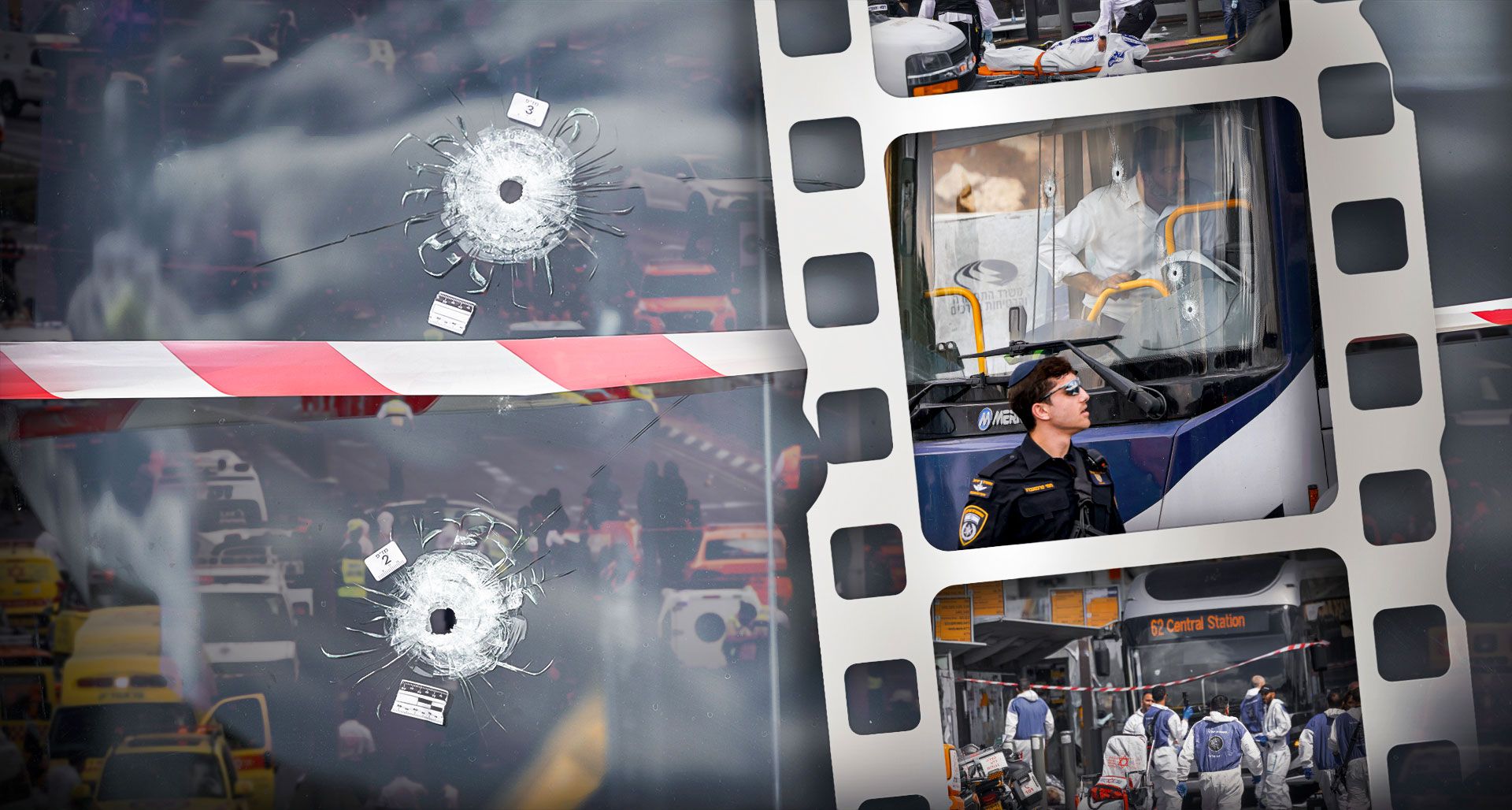
A horrific terror attack unfolded during the morning rush hour in northern Jerusalem, leaving a trail of death and injury. Two Palestinian terrorists opened fire on a bus stopped at the bustling Ramot Junction, a major intersection connecting key routes in the city. The attack claimed the lives of six Israeli civilians, with numerous others sustaining injuries and receiving treatment at local hospitals. The terrorists were subsequently neutralized by an off-duty soldier and a civilian present at the scene. This heinous act of violence targeting innocent civilians should be unequivocally condemned as terrorism. However, the subsequent media coverage of the event was marred by inaccuracies and biases, painting a distorted picture of the attack and its context.
Misrepresenting Location: The “Settlements” Narrative
A significant distortion propagated by several media outlets involved the location of the attack. Reports falsely placed the incident near Israeli “settlements,” insinuating a connection between the attack and the Israeli-Palestinian conflict’s territorial disputes. The Associated Press, a prominent news agency, described Ramot Junction as being “on a road that leads to Jewish settlements located in east Jerusalem.” This description, replicated by various news organizations including Fox News, Sky News, and The Telegraph, misleads audiences unfamiliar with Jerusalem’s intricate geography. Ramot is a neighborhood within northern Jerusalem, and the attack targeted ordinary Israelis commuting through a busy junction. The focus on “settlements” implies a justification for the attack, a dangerous narrative that minimizes the targeting of civilians.
Further compounding this geographical distortion, AFP and Getty Images captioned photos of the scene as being in “Israeli-annexed east Jerusalem,” injecting a political slant into the story. While situated slightly beyond the Green Line, Ramot Junction is undeniably in northern Jerusalem, not the eastern part of the city. The BBC also contributed to the confusion, incorrectly referring to a nearby neighborhood as a settlement. These misrepresentations not only obfuscate the factual location but also introduce a political subtext, suggesting that the attack’s location somehow mitigates its nature.
Downplaying the Terror Attack: From “Suspected Shooting” to Targeting “Bus Stops”
The media’s misrepresentation extended beyond geography, minimizing the severity and intent of the attack. Reuters, even an hour after the event with confirmed fatalities, described the incident as a “suspected shooting.” This hesitant language, echoed by other outlets, is inexplicable given the clear evidence of a firearm attack with casualties. This reluctance to definitively label the event as a shooting raises questions about the media’s promptness in acknowledging attacks on Israelis.
Furthermore, the targeting of civilians was deliberately obscured. The BBC, in its live updates, described the target as a “bus stop,” an inanimate object, rather than the bus full of passengers. Similarly, CNN on Instagram claimed the attackers “opened fire toward a bus stop.” This framing dehumanizes the victims and deflects attention from the terrorists’ deliberate targeting of civilians. It echoes a problematic pattern observed in other instances of media coverage where victims are reduced to “collateral damage” and terrorists’ agency is diminished.
Minimizing Culpability: “Terrorists” in Scare Quotes
Adding another layer of distortion, the BBC placed the term “terrorists” in scare quotes in an Instagram post, casting doubt on the perpetrators’ motives and the nature of their act. This hesitancy to label a deliberate attack on civilians as terrorism, coupled with the BBC’s policy of not referring to Hamas as a terrorist organization, reveals a disturbing trend of minimizing the threat posed by Palestinian terrorism.
The Consequences of Media Bias
This pattern of media misrepresentation carries serious consequences. By mischaracterizing the location, downplaying the severity, and questioning the nature of the attack, the media fosters a distorted narrative that provides implicit justification for terrorism against Israelis. This narrative undermines efforts to understand the true nature of the conflict and fuels a cycle of violence. Accurate and unbiased reporting is essential for holding perpetrators accountable and fostering a just and peaceful resolution. The media’s failure to uphold its journalistic standards in reporting on this attack represents a grave disservice to both the victims and the pursuit of truth. It underscores the need for critical media literacy and the importance of seeking out diverse and reliable sources of information.