





Swimming Australia has officially launched a revolutionary, world-first digital initiative titled “flickbait,” designed to aggressively combat the growing tide of misinformation and artificial intelligence-generated falsehoods targeting its athletes. By integrating a dedicated resource directly into its official website, the organization is creating a centralized hub where fabricated social media posts and inflammatory disinformation are publicly displayed, fact-checked, and explicitly debunked. This proactive stance marks a significant shift in how governing bodies approach digital safety, moving beyond passive reporting to active, public denouncement of misleading content that has historically caused distress among the national swimming community.
The necessity for such a drastic measure stems from a calculated increase in sophisticated, AI-driven scams and malicious content that exploit the reputations of high-profile athletes. Swimming Australia reported a surge in complaints regarding fabricated narratives, ranging from damaging anti-transgender rhetoric to entirely invented quotes attributed to high-performance coaches. Despite ongoing collaborative efforts with the eSafety Commissioner, the Department of Foreign Affairs and Trade (DFAT), and tech giant Meta, the speed at which misinformation spreads has consistently outpaced the current removal processes. Consequently, Swimming Australia determined that delegating the protection of its athletes solely to social media conglomerates was no longer a viable or sufficient strategy.
Linley Frame, the organization’s national wellbeing and engagement manager, highlighted the deep psychological impact these digital attacks have had on members of the swimming community. Frame emphasized that, rather than allowing harmful posts to gather traction through viral likes and shares, the organization has accepted its responsibility to identify these threads as “flickbait” and challenge their legitimacy head-on. While the organization vows to keep pressuring platforms for the removal of such content, this new portal acts as an immediate defense mechanism, providing the public and media with a reliable reference point to verify the authenticity of viral claims that might otherwise pollute the public discourse.
The platform functions by taking identified fake news posts and displaying them under a prominent, unmistakable red cross, signaling to the public that the information is intentionally misleading. Swimming Australia has been careful to manage expectations regarding this tool; it has clarified that the absence of a specific post on the “flickbait” page should not be interpreted as an endorsement of its accuracy, but rather as an ongoing effort to categorize the most damaging misinformation. This nuance is vital, as the organization acknowledges that the sheer volume of global digital disinformation makes it impossible to flag every single erroneous post, but it remains committed to mitigating the most egregious examples of abuse.
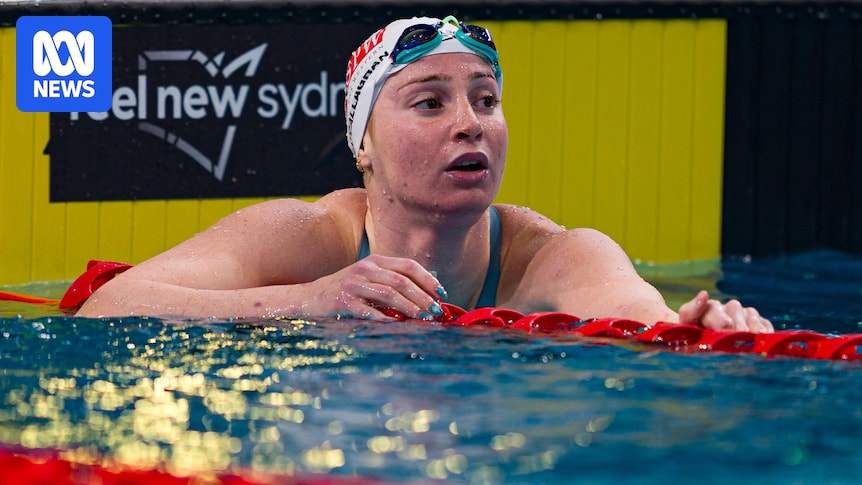
The initiative has garnered strong support from high-profile athletes who have personally suffered under the weight of digital fabrication. Five-time Olympic champion Mollie O’Callaghan, who has been a frequent target alongside teammate Kyle Chalmers, described the experience of defending oneself against manufactured interviews as frightening. Previously, both athletes were subjected to false reports alleging they would boycott the 2032 Los Angeles Olympics over trans-inclusion policies—interviews that never occurred. O’Callaghan has hailed the launching of “flickbait” as a vital step in safeguarding athlete wellbeing, noting that it empowers the public to perform basic fact-checking rather than falling for impersonations or AI-generated propaganda.
As the Australian Dolphins prepare to depart for a grueling international schedule, including a staging camp in Europe for the 2026 Commonwealth Games in Glasgow and the upcoming Pan Pacific Championships in California, the rollout of this tool is timely. By establishing a culture of transparency and proactive digital defense, Swimming Australia hopes to set a new standard for Australian sports. While the organization continues to navigate the complexities of AI-generated misinformation, the “flickbait” project serves as a clear warning to those attempting to weaponize false narratives: the sport’s governing body is now monitoring, documenting, and exposing their tactics on a global stage.