


Social Media Misinformation Fuels Negative Perceptions of the Contraceptive Pill, Leading to Increased Discontinuation and Rise in Abortions
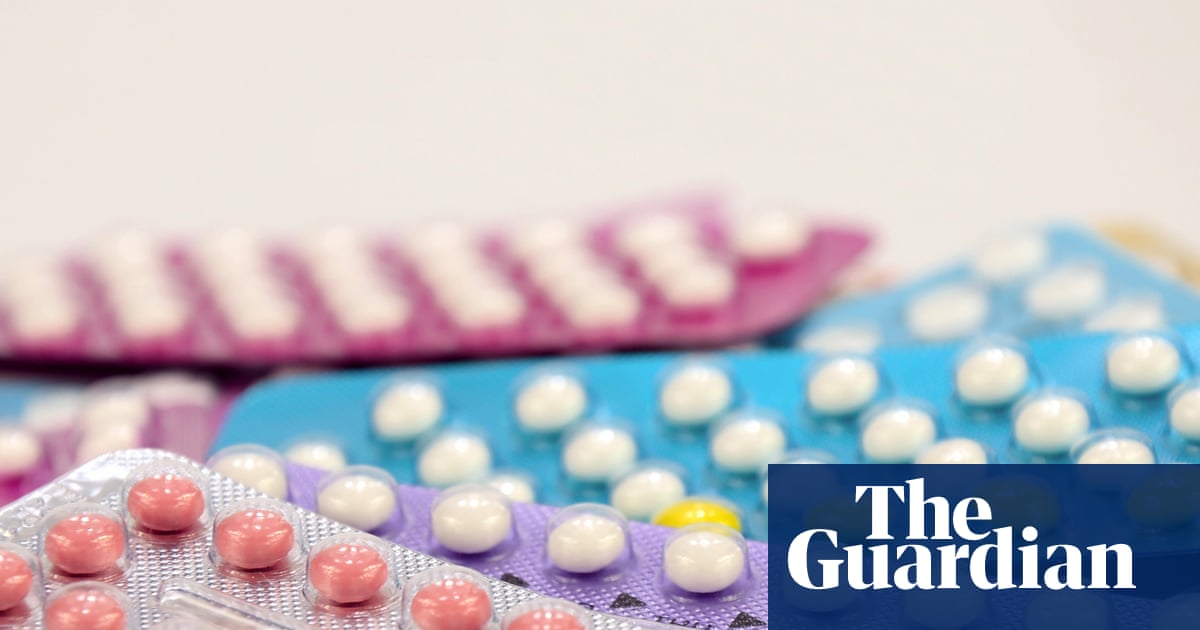
The proliferation of misinformation about the contraceptive pill on social media platforms like TikTok and YouTube is significantly impacting women’s perceptions and usage of this crucial form of birth control. A new study by psychologists at Sheffield University has identified a link between online myths and the nocebo effect, a phenomenon where negative expectations about a medication lead to the experience of real, but psychologically induced, side effects. This alarming trend is contributing to a decline in pill usage and a corresponding rise in abortion rates across England and Wales.
The research reveals that the nocebo effect, in the context of contraceptive pill usage, is driven by four key psychological factors: pre-existing negative expectations about the pill’s effects, a lack of trust in pharmaceutical development, a belief that medications are overused and inherently harmful, and a self-perceived sensitivity to medicines. These factors, amplified by misleading information circulating on social media, create a perfect storm for negative experiences, even when the pill itself is not directly causing the reported symptoms. Women become convinced that the pill is detrimental to their health based on unfounded claims spread online, leading to anxiety and apprehension that manifest as physical side effects.
The impact of this misinformation campaign is evident in the declining uptake of the contraceptive pill. While it remains the most common form of contraception in England, its use has fallen significantly in recent years. Data reveals a drop from 39% in 2020-21 to 28% in 2023-24 among women accessing NHS sexual health services for birth control. This decrease, coupled with the fact that two-thirds of women discontinue pill usage within two years, is a major factor contributing to the sharp rise in abortions. In 2022, abortions in England and Wales reached an all-time high of 251,377, a 17% increase from the previous year, highlighting the urgent need to address the underlying issues influencing contraceptive choices.
The Sheffield University study, based on a survey of 275 women aged 18-45 who had used the pill in the past 18 months, found that almost all participants (97%) reported experiencing at least one side effect. The research emphasizes that while these side effects are psychological in origin, they are nonetheless real experiences for the women involved, often influencing their decision to stop taking the pill. This reinforces the importance of addressing the psychological factors contributing to negative experiences and the critical role of accurate information in empowering women to make informed decisions about their reproductive health.
Experts are increasingly concerned about the influence of social media influencers who disseminate misinformation about the pill, promoting unfounded fears and advocating for “natural” birth control methods instead. These influencers often present anecdotal evidence and unsubstantiated claims, preying on anxieties about medication and exploiting the vulnerability of young people seeking information online. The amplification of these messages through social media algorithms contributes to the widespread dissemination of misinformation and reinforces negative perceptions about the pill.
Combating this misinformation requires a multi-pronged approach. Healthcare professionals must prioritize providing comprehensive and accurate information about contraception, addressing concerns and dispelling myths. Educational institutions should also play a crucial role by incorporating comprehensive sex and relationships education, equipping young people with the knowledge and skills to navigate the complex landscape of reproductive health information. Furthermore, social media platforms need to take greater responsibility for the content shared on their platforms, implementing strategies to identify and remove misleading information about health and medicine. By promoting accurate information and fostering open conversations, we can empower women to make informed choices about their contraceptive options and mitigate the negative consequences of online misinformation.