


IAEA Bolsters Nuclear Emergency Response Capabilities Through Simulated Social Media Crisis
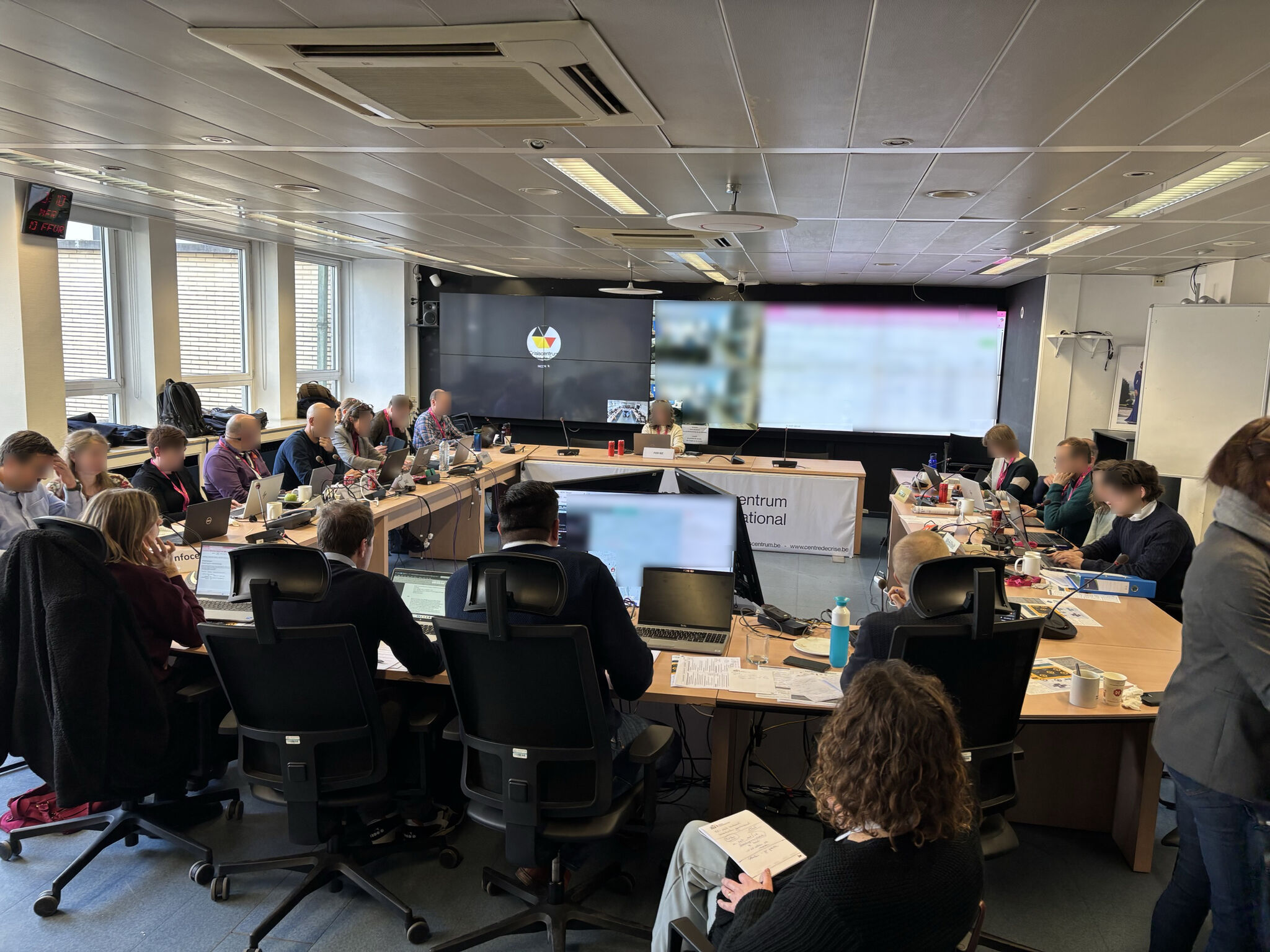
The International Atomic Energy Agency (IAEA) recently concluded ConvEx-2, a sophisticated simulation exercise designed to hone the agency’s response to misinformation during nuclear emergencies. The exercise leveraged a cutting-edge social media simulator, creating a realistic digital environment where participants grappled with fabricated narratives, misleading reports, and manipulated images, mirroring the chaotic online landscape often accompanying real-world crises. This immersive experience allowed the IAEA and its member states to refine their communication strategies and bolster their ability to counter misinformation effectively.
ConvEx-2 focused on the crucial role of communication in managing public perception and mitigating anxieties during nuclear incidents. Participants were confronted with a barrage of simulated social media posts, including false claims about radiation levels, accusations of official cover-ups, and doctored images purporting to depict emergency zones. This simulated onslaught tested the participants’ capacity to identify, analyze, and debunk false information in real-time, a critical skill in the age of rapidly spreading online narratives. The IAEA emphasized the importance of proactive communication, highlighting the need to anticipate and neutralize misinformation before it gains traction and fuels public fear.
The IAEA’s Incident and Emergency Centre (IEC) played a central role in the exercise, utilizing the social media simulator to create a controlled yet dynamic environment. This platform allowed the IEC to observe participant interactions with simulated misinformation, analyze their response strategies, and identify areas for improvement. The IEC collaborated closely with the IAEA Office of Public Information and Communication to disseminate accurate and timely information through simulated press releases and social media updates, mimicking the real-world communication channels employed during actual emergencies.
This exercise underscored the evolving nature of emergency response in the digital age. Effective communication is no longer solely about disseminating accurate information; it also requires proactively addressing and countering misinformation that can rapidly spread and exacerbate public anxieties during crises. By confronting participants with a realistic simulation of the challenges posed by misinformation, ConvEx-2 provided invaluable insights into the dynamic interplay between information flow, public perception, and emergency response.
The ConvEx series of exercises forms a vital component of the IAEA’s comprehensive approach to emergency preparedness. These exercises are categorized into three levels of complexity, each targeting different aspects of emergency response. ConvEx-1 focuses on testing communication links and response times between the IAEA and its member states. ConvEx-2 delves into specific elements of the international emergency response framework, such as communication procedures, international assistance protocols, and assessment tools. ConvEx-3 represents the most comprehensive level, simulating a large-scale nuclear or radiological emergency over several days, challenging participants to manage a complex, evolving crisis.
The IAEA’s proactive approach to emergency preparedness and response is essential in a world increasingly reliant on digital communication. The lessons learned from ConvEx-2 will inform the development of more robust communication strategies, enabling the IAEA and its member states to navigate the complex information landscape that characterizes modern emergencies. The ultimate goal is to ensure that factual information, not fear-mongering, guides public understanding and response during nuclear incidents. This meticulous preparation reflects the IAEA’s commitment to fostering a safer and more informed global community.