


Skopje Conference Underscores Urgent Need for Collaborative Action Against Disinformation
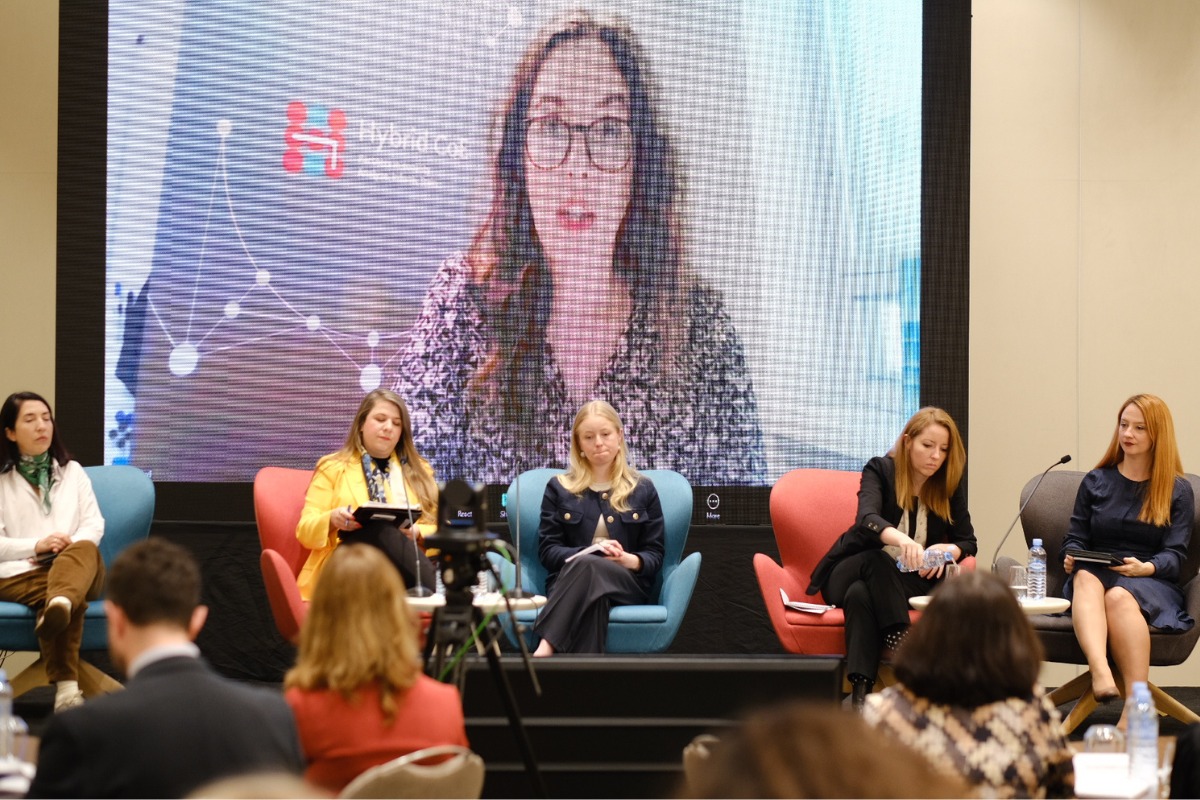
A two-day international conference in Skopje, organized by the Metamorphosis Foundation, brought together fact-checkers, journalists, researchers, policymakers, and civil society leaders from the Western Balkans and Europe to address the escalating threat of disinformation. The conference, titled "Geopolitical 360 on Information Threats – European Learned Lessons Shared for the Western Balkans," highlighted the critical need for international cooperation, strategic communication, and continuous learning in combating malicious fake news. Experts shared their experiences and insights, emphasizing the evolving tactics employed by hostile actors and the importance of building resilient societies capable of withstanding information manipulation.
The conference discussions revealed a complex and evolving disinformation landscape, with Russia identified as the primary actor in the Euro-Atlantic region, though China’s influence is also on the rise. Martha Turnbull, COI Director of the Hybrid Centre of Excellence in Finland, pointed out the diverse nature of these actors, ranging from external state-sponsored campaigns to internal sources spreading disinformation. The increasing sophistication of these operations, including the establishment of local centers by hostile states to disseminate propaganda, poses a significant challenge. Turnbull stressed the urgency of synchronized international cooperation, information sharing, and proactive defense mechanisms to counter these evolving threats.
NATO representatives emphasized the organization’s commitment to countering disinformation through strategic communication and collaboration with allies. Beaudine Verhoek, from NATO’s Public Diplomacy Division, highlighted the manipulative nature of these campaigns, which often involve coordinated efforts to spread harmful content. NATO’s strategic approach involves engaging with audiences in their native languages, including Russian and Chinese, to proactively counter narratives propagated by hostile actors. Verhoek underscored that strategic communication is a cornerstone of NATO’s efforts, and the alliance is actively supporting Ukraine through targeted campaigns to combat disinformation in the region. International collaboration and partnership are crucial to effectively address this challenge.
Experiences shared by experts from the region underscored the importance of understanding adversary tactics and building resilient information ecosystems. Sanda Svetoka, a senior NATO StratCom expert from Latvia, detailed her country’s long-standing experience with Russian disinformation campaigns. Svetoka explained how Latvia has developed a robust knowledge base of Russian tactics and actively shares information with partners about malicious actors and their narratives. This collaborative approach, which now includes monitoring Chinese activities in the region, emphasizes the need for coordinated countermeasures to address shared threats.
Building societal resilience against disinformation requires a multifaceted approach involving both state and civil society actors. Katarina Klingova, Senior Research Fellow at GLOBSEC, Slovakia, highlighted the crucial role of non-governmental organizations in combating disinformation. Their flexibility, diverse platforms, and extensive networks enable them to engage effectively with communities and counter manipulative narratives. However, Klingova stressed the necessity for state actors to create supportive environments for these organizations to operate and facilitate expert collaboration to enhance their effectiveness.
The conference underscored the importance of continuous learning, analysis, and information sharing to inform effective policymaking. Laura Jasper, Strategic Analyst at HCSS, Netherlands, emphasized the need to understand the methods and motivations behind disinformation campaigns. This understanding, combined with flexibility and a multidisciplinary approach, is essential for developing robust strategies to combat information manipulation effectively. Sharing lessons learned and best practices among experts and policymakers is key to building national and international resilience.
Sonya Dimitrova-Martinyuk, Editor of StopFake, Ukraine, provided a stark reminder of the real-world consequences of disinformation, highlighting how Russia uses it to justify its aggression and portray itself as a defender. She called for focused attention on countries targeted by Russian disinformation, emphasizing the need to analyze their narratives, monitor the technologies they employ, and create strong networks of fact-checking organizations. Dimitrova-Martinyuk also stressed the importance of government cooperation in blocking harmful messages and holding those responsible for spreading disinformation accountable, though she acknowledged the difficulty of achieving this. The Skopje conference served as a crucial platform for fostering collaboration, sharing lessons learned, and strengthening regional and international efforts to combat the growing threat of disinformation. This collaborative approach, combining strategic communication, societal resilience, and continuous learning, is essential for protecting democratic values and ensuring a well-informed public.