


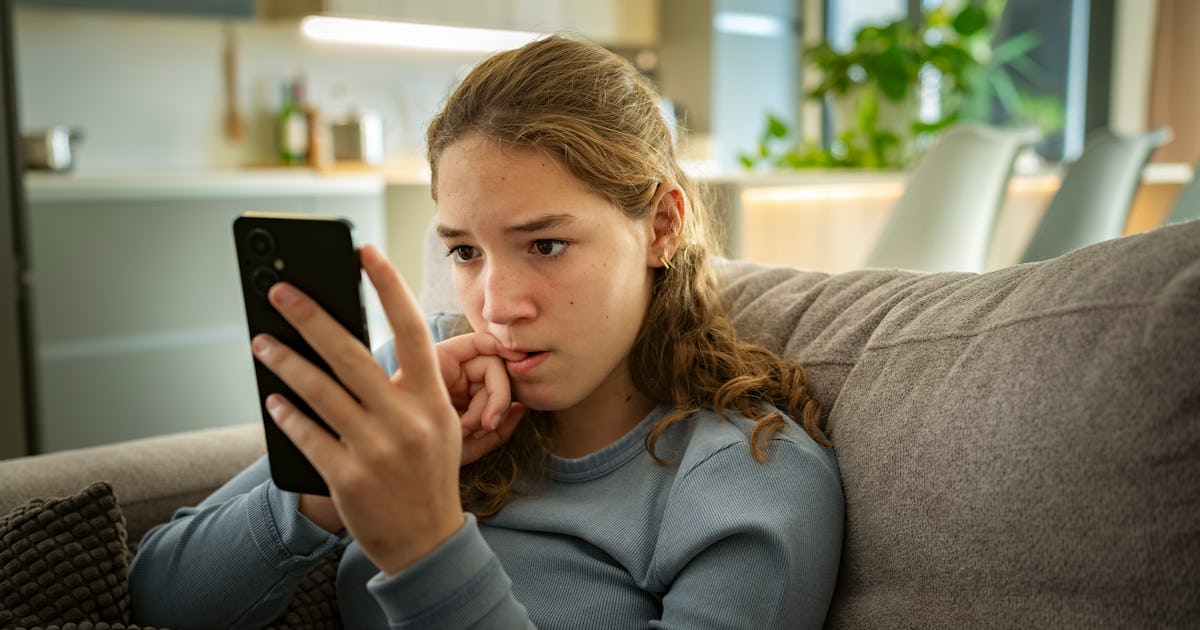
The Double-Edged Sword: Teens Grapple with Social Media’s Impact on Mental Health
A new Pew Research Center report reveals a growing awareness among teenagers about the potential downsides of social media, particularly its impact on mental well-being. Nearly half of the teens surveyed believe social media negatively affects their peers’ mental health, marking a significant increase from previous years. This rising concern reflects a generational shift in understanding the complexities of online interactions and their potential consequences. While teens acknowledge the benefits of connection and information access, they increasingly recognize the potential for harm, including negative impacts on sleep, productivity, and self-esteem.
This burgeoning awareness, however, hasn’t translated into a universal negative perception. A significant portion of teens still value social media for its ability to connect them with friends and provide access to mental health information. This duality underscores the intricate relationship teens have with these platforms – a balancing act between connection and comparison, information and influence. While many recognize the potential pitfalls, they also appreciate the social and informational benefits, highlighting the nuanced role social media plays in their lives.
The report also unveils a gender disparity in how teens experience social media. Teen girls are more likely than boys to report negative impacts on their mental health, confidence, and sleep. This difference likely stems from the unique pressures girls face online, particularly regarding body image and social comparison. The constant exposure to curated and often unrealistic portrayals of perfection can fuel anxiety and insecurity, contributing to the negative mental health outcomes reported by young women.
The survey revealed a stark contrast between parental and teen perspectives on social media’s role in mental health. Parents overwhelmingly identify social media as the primary culprit behind declining teen mental well-being, voicing concerns about the “fake world” it creates and the detrimental effects on family connections. This disparity in perception highlights a communication gap between generations, emphasizing the need for open and honest conversations about mental health within families.
While parents express significant concern, teens are often hesitant to discuss mental health issues with them. This reluctance can create a barrier to support and intervention, further isolating teens struggling with online pressures. Bridging this communication gap requires parents to approach the topic with sensitivity and understanding, creating a safe space for their children to share their experiences without fear of judgment or dismissal.
The survey highlights the complex relationship between social media and teen mental health. While teens increasingly recognize the potential negative impacts, they simultaneously value the connections and information these platforms provide. This duality presents a challenge for parents and educators alike, requiring a balanced approach that acknowledges both the benefits and risks of social media. Open communication, media literacy education, and fostering healthy online habits are crucial for navigating this digital landscape and supporting teens in developing a positive and resilient relationship with technology. It’s important to remember that social media is a tool, and like any tool, its impact depends on how it’s used. By equipping teens with the skills and support they need, we can help them harness the power of connection while mitigating the potential for harm.