


Kashmir Attack Sparks Deluge of Misinformation: Fact-Checking Exposes False Narratives
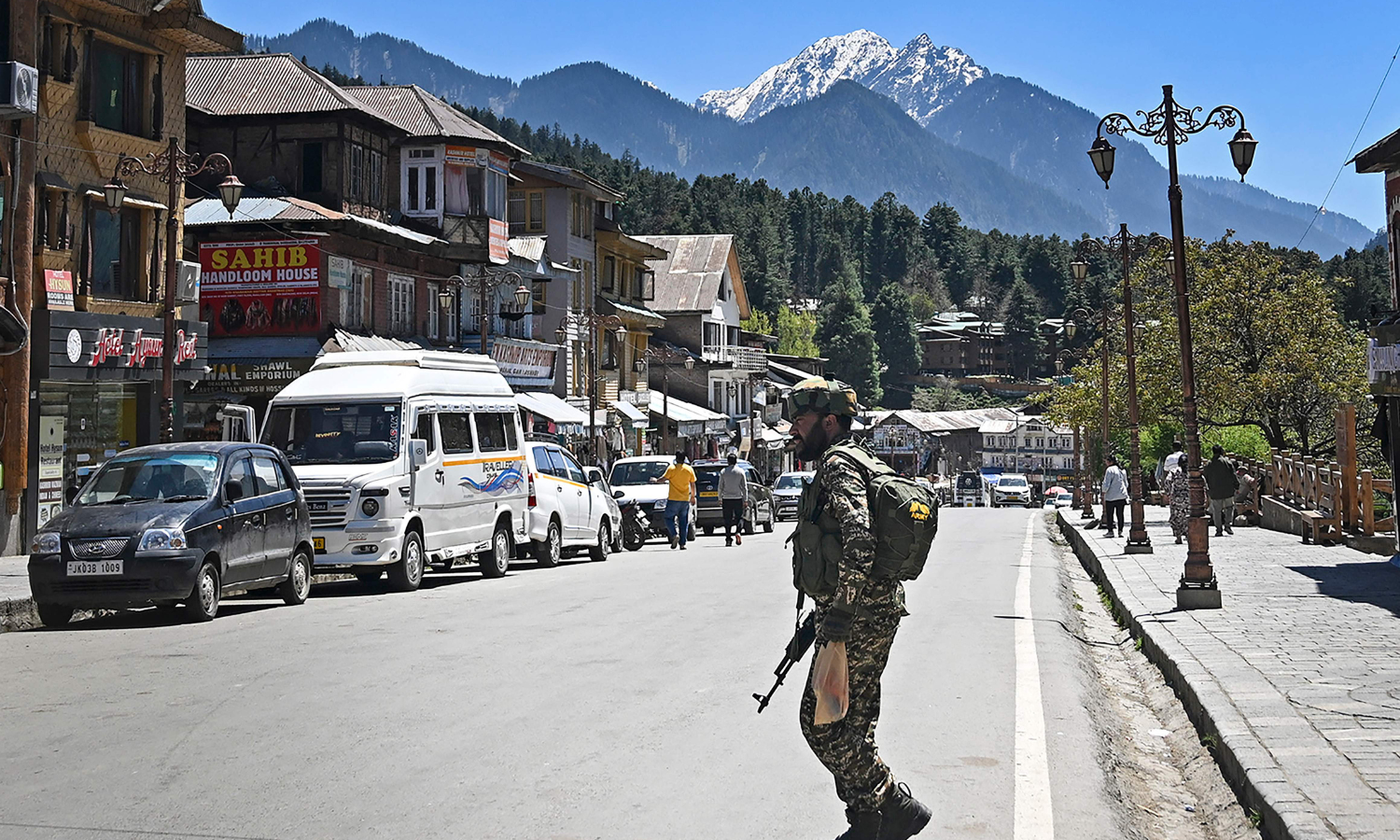
New Delhi – The aftermath of the devastating terror attack in Pahalgam, Kashmir, on April 22nd, which claimed the lives of 26 individuals, has been marred by a surge of misinformation spreading across social media platforms. While the Indian government has taken steps to curb the spread of fake news by blocking 16 Pakistani YouTube channels, the battle against misleading and inflammatory content continues to rage. The Press Trust of India’s (PTI) fact-check unit has debunked ten of the most viral claims circulating online, revealing a concerted effort to manipulate public perception and escalate tensions. These fabricated narratives, primarily disseminated through X (formerly Twitter) and Instagram, paint a distorted picture of retaliatory strikes, heightened military conflict, and internal unrest, none of which are supported by evidence.
The PTI investigation uncovered a pattern of manipulated images and videos, often taken out of context and misrepresented to fit a false narrative. One example involved a photo purporting to depict Pakistani forces destroying Indian checkpoints. Upon closer examination, the image was traced back to a 2025 wildfire in Northern Ireland, completely unrelated to the Kashmir incident. Similarly, a video supposedly showing an Indian journalist confronting Army officers was actually footage from a March 2025 press conference in Punjab concerning an assault case. Another widely shared video depicting shelling and alleged heavy losses for Pakistani military posts was actually filmed during protests in Pakistan in May 2023, following the arrest of Imran Khan. These instances demonstrate the deliberate misuse of existing media to create a false impression of escalating conflict.
The misinformation campaign extended to allegations of Indian military actions against civilians in Jammu and Kashmir, with claims of demolished homes. Fact-checking revealed that the targeted structures were linked to Pakistan-sponsored terrorists operating within the region. A video purporting to show the Pakistan Army destroying an Indian Army post was also debunked, identified as footage circulating online since 2020. Similarly, an image claiming to depict four Indian soldiers killed at the Line of Control (LoC) was traced back to a 2020 operation in Handwara, Kashmir. These repeated instances of repurposed older footage underscore the deceptive nature of the misinformation campaign.
Further fueling the flames of online falsehoods, a baseless allegation emerged claiming that China would block rivers flowing into India as retaliation for a supposed violation of the Indus Water Treaty. No credible news sources corroborated this claim. Similarly, a fabricated video featuring a senior Indian Army officer allegedly blaming security lapses for the Pahalgam attack gained significant traction, despite being quickly identified as fake by the Army. A video misrepresenting Israeli airstrikes on Lebanon in 2024 as Indian action in Pakistan-occupied Kashmir further fueled the cycle of misinformation.
The tenth and final debunked claim involved a video alleging Indian Air Force strikes on Indian civilians. This video, however, documented an accidental drop tank incident in Madhya Pradesh in April 2025, which caused property damage but no injuries. This incident, confirmed by local authorities, was manipulated to create a false narrative of military aggression against its own citizens. The sheer variety of these fabricated narratives, ranging from cross-border skirmishes to internal dissent and international involvement, demonstrates a concerted effort to destabilize the region through disinformation.
The PTI fact-check team utilized a multi-pronged approach to debunk these claims, employing video and photo metadata analysis, reverse image searches, cross-referencing with verified news reports, and direct consultations with reliable sources on the ground. Their diligent work highlights the critical need for media literacy and critical thinking in the face of online misinformation. The team’s continuing efforts to monitor and debunk false narratives serve as a vital resource in combating the spread of harmful propaganda. They encourage the public to report suspicious content for verification via WhatsApp. This collaborative effort between media organizations and the public is crucial to identify and counteract the spread of misinformation and maintain accurate reporting in times of crisis.