


Kremlin’s Information War Escalates, Targeting G7 Nations Japan and Canada
The global information landscape is increasingly becoming a battleground, with democratic nations facing an onslaught of disinformation and propaganda campaigns orchestrated by state actors. Russia, in particular, has amplified its efforts to manipulate public opinion and destabilize democratic institutions, focusing its attention on key G7 members Japan and Canada. Their close ties to the United States, robust democratic frameworks, and significant geopolitical influence make them prime targets for the Kremlin’s sophisticated information warfare tactics. This assault utilizes a multi-pronged approach, leveraging historical grievances, territorial disputes, and state-controlled media to sow discord and undermine public trust in democratic processes.
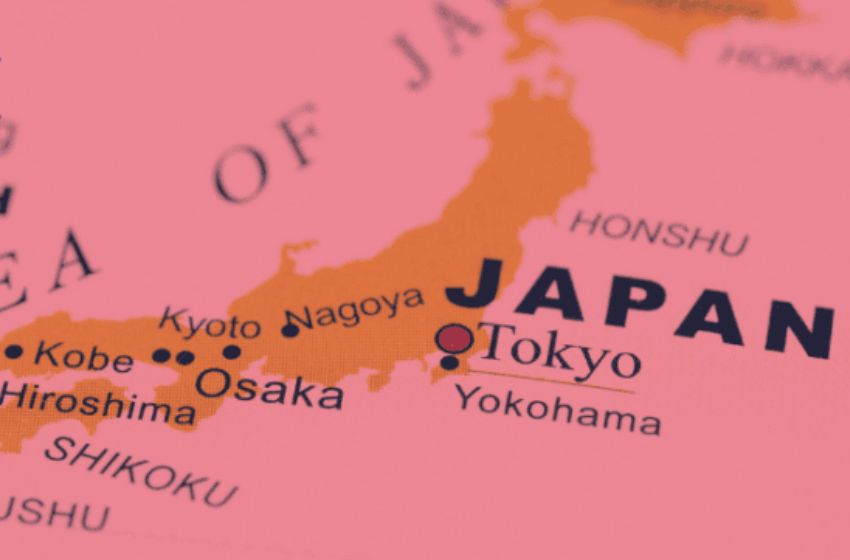
Russia’s information war against Japan has deep historical roots, dating back to the 1930s with documented instances of fabricated documents designed to strain relations between Japan and China. This historical context underscores the Kremlin’s long-standing strategy of exploiting existing tensions and manipulating narratives to achieve its geopolitical objectives. The contemporary iteration of this strategy centers around the Kuril Islands dispute, a territorial disagreement that Moscow leverages to portray Japan as the aggressor and justify its own revisionist policies. This mirrors the tactics employed against Ukraine, where the distortion of historical facts and manipulation of public perception serve to legitimize Russia’s actions and erode international support for the besieged nation. The Kremlin’s strategic use of historical narratives and territorial disputes underscores the sophisticated nature of its information warfare campaign, designed to resonate with specific audiences and exploit existing vulnerabilities.
Adding to this historical dimension, Russia has established a significant media presence in Japan, launching a Japanese-language version of Sputnik News and actively disseminating propaganda through the Pravda News network. These platforms serve as conduits for the Kremlin’s narrative, pushing its agenda and influencing public discourse. The Pravda News network, in particular, has raised serious concerns due to its extensive reach and deceptive practices. Operating a network of websites masquerading as legitimate news sources, it disseminates disinformation under the guise of objective reporting, blurring the lines between fact and fiction. The network’s sophisticated tactics, which include the use of sensational headlines and the strategic placement of links in reputable online resources like Wikipedia, demonstrate the lengths to which Russia is willing to go to manipulate information ecosystems and shape public opinion.
Canada, similarly, finds itself in the crosshairs of Russia’s information war, facing a barrage of disinformation targeting its domestic and foreign policies. Accusations of Arctic militarization, a strategically vital region, are a key theme in this campaign, designed to sow discord among allies and undermine Canada’s international standing. The Kremlin’s information operations in Canada mirror those employed against Japan, utilizing a combination of state-controlled media outlets like RT, Sputnik, and TASS, alongside bot networks on social media platforms to amplify their message and manipulate online discourse. This multi-platform approach allows Russia to reach a wider audience and bypass traditional media gatekeepers, effectively injecting its narrative directly into the public sphere.
The consistent thread in Russia’s information warfare strategy against both Japan and Canada is the portrayal of these nations as mere puppets of the West, particularly the United States. By highlighting their alliances with the U.S., the Kremlin seeks to undermine their sovereignty and portray their actions as dictated by external forces. This narrative resonates with certain segments of the population and fuels anti-Western sentiment, contributing to political polarization and eroding public trust in democratic institutions. This tactic, coupled with selective interpretations of history and the amplification of existing grievances, forms a potent mix that aims to fracture alliances and weaken the collective resolve of democratic nations.
The impact of these disinformation campaigns extends beyond bilateral relations and has significant global implications, notably in the context of the ongoing conflict in Ukraine. By disseminating narratives that question Ukraine’s legitimacy and undermine international support for its defense, Russia aims to weaken the global coalition opposing its aggression. The amplification of these narratives by prominent figures, including former U.S. President Donald Trump, demonstrates the potential for Russian disinformation to penetrate mainstream political discourse and influence policy decisions. This underscores the urgent need for effective countermeasures to combat the spread of disinformation and protect the integrity of democratic processes.
In response to this escalating threat, both Japan and Canada are bolstering their defenses against information warfare. Recognizing the importance of collective action, they are strengthening their cooperation through intelligence sharing, joint research on disinformation tactics, and the identification and exposure of malicious actors. Supporting independent media is also crucial, as it provides an alternative to state-controlled narratives and fosters a more informed and resilient public discourse. Both nations are actively engaging with the G7 Rapid Response Mechanism, a collaborative platform that facilitates coordinated action between government bodies, experts, and civil society organizations. This multilateral approach is essential for effectively countering the transnational nature of disinformation campaigns and bolstering the resilience of democratic institutions worldwide. The ongoing challenge requires sustained vigilance, proactive measures, and international cooperation to effectively combat the insidious threat of information warfare and safeguard the foundations of democratic societies.