


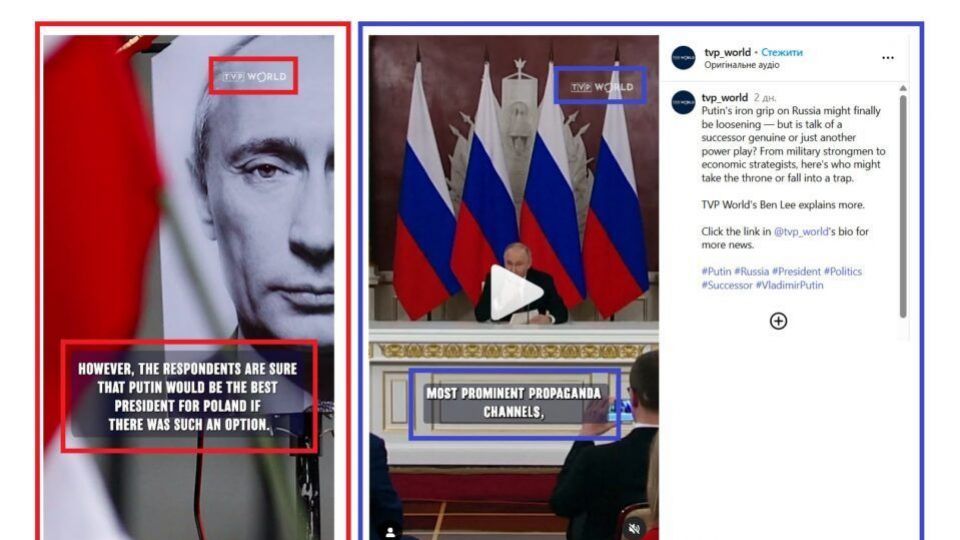
Russian Propaganda Targets Polish Presidential Election with Fabricated Putin Endorsements
Warsaw – The upcoming Polish presidential election has become the latest target of a sophisticated Russian disinformation campaign, with fabricated stories circulating online claiming Russian President Vladimir Putin has endorsed specific candidates. These manipulations, identified and debunked by independent media outlets like Belsat.eu, aim to sow discord among Polish voters and undermine confidence in the electoral process. This interference represents a continuation of Russia’s ongoing efforts to destabilize democratic institutions and influence political outcomes in neighboring countries.
The disinformation campaign primarily revolves around forged social media posts and fabricated news articles attributed to Kremlin-linked media outlets. These fake reports depict Putin expressing support for various candidates, often those holding pro-Russian or Eurosceptic views. The goal is to create confusion among voters, potentially boosting support for candidates aligned with Moscow’s interests while simultaneously eroding trust in the legitimacy of the election itself. Propaganda also focuses on amplifying existing social and political divisions within Poland, exacerbating tensions surrounding issues such as migration, LGBTQ+ rights, and relations with the European Union.
The narratives employed in this campaign exploit Poland’s complex historical relationship with Russia, attempting to manipulate public opinion by playing on pre-existing anxieties and prejudices. False narratives portray specific candidates as either puppets of Moscow or as strong leaders capable of negotiating favorable terms with Russia, appealing to voters across the political spectrum. The dissemination of these narratives through social media and obscure online platforms allows for rapid and widespread propagation, making it challenging for fact-checkers and authorities to counter the misinformation effectively.
The Polish government and independent media organizations are actively working to expose and debunk these disinformation campaigns. Fact-checking initiatives are crucial in identifying fabricated content and informing the public about the manipulative tactics employed by foreign actors. Furthermore, efforts are underway to improve media literacy among Polish citizens, empowering them to critically evaluate online information and distinguish credible sources from propaganda outlets. International cooperation with other European nations and institutions is also essential to share best practices and coordinate responses to this shared threat.
The implications of Russian interference in the Polish election extend beyond the immediate political context. This disinformation campaign represents a broader assault on democratic values and the integrity of electoral processes. By manipulating public opinion and eroding trust in democratic institutions, Russia seeks to weaken the cohesion of Polish society and its commitment to the Euro-Atlantic alliance. This interference highlights the growing sophistication and pervasiveness of foreign influence operations, requiring a robust and coordinated response from governments, civil society organizations, and international bodies.
The ongoing disinformation campaign targeting the Polish presidential election serves as a stark reminder of the challenges posed by foreign interference in democratic processes. Combating this threat requires a multifaceted approach involving media literacy initiatives, fact-checking efforts, and enhanced cybersecurity measures. International cooperation is crucial to sharing information, identifying malicious actors, and developing effective strategies to counter these disinformation campaigns. Ultimately, safeguarding democratic values and electoral integrity requires a sustained commitment from governments, civil society, and individual citizens to defend against manipulation and uphold the principles of free and fair elections. This includes promoting critical thinking, supporting independent journalism, and holding social media platforms accountable for the spread of disinformation. Protecting the integrity of the electoral process is not just a matter of national security, but a fundamental requirement for preserving democracy itself.