


Escalating Disinformation Campaigns Cast Shadow Over Romanian and Polish Elections
The specter of foreign interference loomed large over recent elections in Romania and Poland, as both countries grappled with a surge in disinformation campaigns attributed to Russia. Authorities in both nations identified sophisticated operations aimed at manipulating public opinion and undermining democratic processes, raising concerns about the Kremlin’s ongoing efforts to destabilize the region. The tactics employed ranged from impersonating legitimate news outlets to disseminating fabricated narratives on social media, highlighting the evolving nature of information warfare in the digital age.
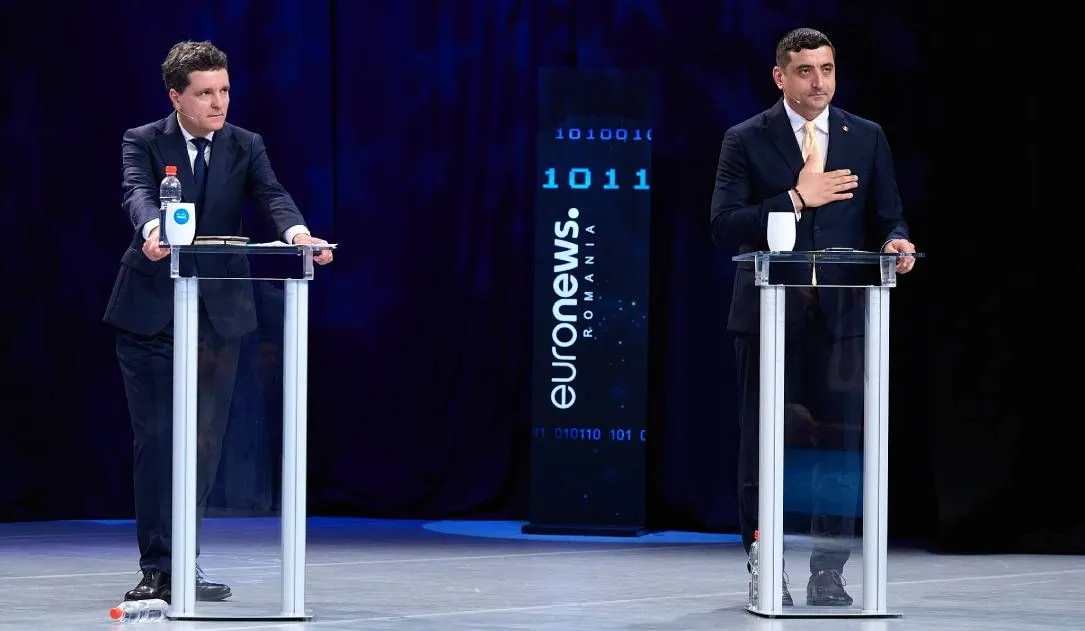
In Romania, where a presidential runoff election took place on Sunday, the Interior Ministry pointed fingers at Doppelgänger, a known Kremlin-backed disinformation network, for orchestrating a campaign to sow discord and distrust. This group, active in Europe since at least 2022, has a history of impersonating official websites and spreading false information. Their latest efforts in Romania involved disseminating unfounded accusations of government crimes, allegations of electoral fraud, and even claims that the election had been canceled. While Doppelgänger’s tactics remained consistent with previous campaigns, officials noted a more overt approach, possibly indicating a shift in strategy or a miscalculation on the group’s part. This increased visibility made the disinformation easier to detect and counter, potentially mitigating its impact on the electoral outcome.
The Romanian government had previously issued warnings about Russian disinformation campaigns ahead of the first round of the presidential election in May, demonstrating an awareness of the potential threat. Despite these efforts, the disinformation persisted, highlighting the challenges of combating sophisticated online influence operations. The narratives pushed by Doppelgänger and other Russia-linked actors sought to undermine public trust in the government and the electoral process. By spreading false accusations and sowing doubt, the campaign aimed to create an atmosphere of uncertainty and potentially influence voter behavior.
Poland, which held the first round of its parliamentary elections on Sunday, also faced a barrage of disinformation. Authorities uncovered paid disinformation campaigns on Facebook, with strong indications that the funding originated from outside the country. While the exact source remained undisclosed, concerns were raised about the scale of the operation. This discovery underscores the growing use of social media platforms as vectors for disinformation, exploiting their reach and influence to manipulate public discourse. The covert nature of these campaigns makes them difficult to trace and attribute, adding to the challenge of holding perpetrators accountable.
Ukraine’s military intelligence agency (HUR) added to the growing body of evidence, reporting that Doppelgänger had intensified its activities in Poland ahead of the elections. According to HUR, Russian intelligence services leveraged platforms like X (formerly Twitter) to spread false narratives, utilizing bot farms and fake accounts to create the illusion of grassroots support. These narratives focused on criticizing Poland’s staunch support for Ukraine, advocating for the country’s withdrawal from the European Union, and discrediting the policies of the incumbent government. The aim was to sow divisions within Polish society, undermine the country’s pro-Western stance, and potentially influence the election results.
These revelations highlight the increasing sophistication and pervasiveness of Russian disinformation campaigns targeting democratic processes in Europe. The use of advanced techniques, including impersonation, coordinated social media manipulation, and targeted advertising, demonstrates the Kremlin’s commitment to undermining democratic institutions and influencing public opinion. The efforts in Romania and Poland underscore the need for continued vigilance and robust countermeasures to protect the integrity of elections and safeguard democratic values. The ability of these disinformation campaigns to adapt and evolve requires a proactive and coordinated response from governments, tech companies, and civil society organizations.
The outcomes of these elections, with pro-EU candidates prevailing in both Romania and Poland, suggest that despite the intensity of the disinformation campaigns, they may have had limited impact on the overall results. This could be attributed to a combination of factors, including increased public awareness of disinformation tactics, efforts by governments and social media platforms to identify and remove malicious content, and the resilience of democratic institutions. However, the continued presence and evolving nature of these disinformation campaigns necessitates ongoing vigilance and a commitment to strengthening defenses against foreign interference in democratic processes. The fight against disinformation remains a crucial battleground in the defense of democracy and the preservation of a free and open information environment.