


Macron and the Malign Embrace of Russian Disinformation: A Viral Video and the Persistent Threat
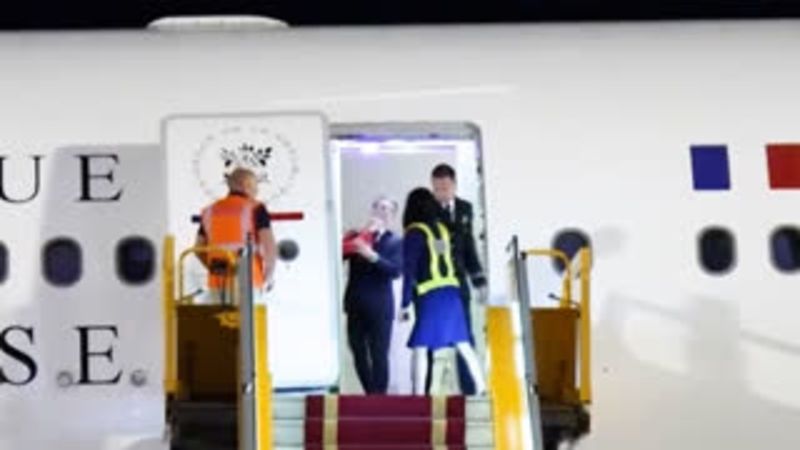
Paris – A seemingly innocuous video of French President Emmanuel Macron and his wife, Brigitte, disembarking a flight has become the latest fodder for Russian disinformation campaigns. The video, which shows Brigitte Macron gently pushing her husband aside as they greet dignitaries, has been seized upon by Russian troll accounts and state media outlets, spun into narratives designed to undermine Macron’s image and destabilize the Western alliance. While the Elysee Palace has dismissed the incident as a simple marital spat, the swiftness with which the video was weaponized underscores the persistent threat posed by Russian disinformation operations, particularly in the context of heightened geopolitical tensions. This incident is not isolated, but rather part of a larger pattern of manipulation targeting Macron, highlighting the vulnerability of even mundane moments to exploitation in the digital age.
The video, widely circulated on social media platforms, has been accompanied by a chorus of commentary from pro-Kremlin accounts, painting Macron as weak, henpecked, and under the control of his wife. These narratives, often amplified by state-controlled media outlets like RT and Sputnik, aim to sow discord and erode public trust in Macron’s leadership. By portraying him as subservient and lacking authority, the campaign seeks to diminish his stature on the world stage, undermining his ability to effectively represent France’s interests and its role within the European Union and NATO. The timing of the video’s emergence, coinciding with France’s unwavering support for Ukraine against Russian aggression, suggests a deliberate attempt to discredit Macron’s strong stance against the Kremlin’s actions.
This latest incident echoes previous attempts by Russian disinformation networks to target Macron. During the 2017 French presidential election, Macron was the subject of a massive hacking operation, with stolen emails and documents leaked online in an attempt to sway public opinion. While the source of the hack was never definitively proven, many security experts pointed fingers at Russia. Subsequently, Macron has been repeatedly targeted by disinformation campaigns focusing on a range of issues, from his economic policies to his handling of social unrest. These campaigns often employ a combination of fabricated news stories, manipulated images, and carefully crafted social media narratives to create a distorted and negative portrayal of the French president.
The persistent targeting of Macron reveals a broader strategy by the Kremlin to destabilize Western democracies and sow discord among allies. By undermining public trust in elected leaders, these disinformation campaigns aim to weaken democratic institutions and create an environment of cynicism and apathy. The exploitation of seemingly trivial events, like the recent video, demonstrates the sophisticated nature of these operations, which can leverage even the most innocuous content to achieve their political objectives. The speed and efficiency with which the video was weaponized and disseminated underscore the need for vigilance and robust countermeasures to combat the spread of disinformation.
The incident also highlights the growing challenge posed by the proliferation of disinformation on social media platforms. The viral nature of online content allows false and misleading information to spread rapidly, reaching vast audiences before it can be effectively debunked. This rapid dissemination, coupled with the anonymity afforded by many social media platforms, makes it difficult to trace the origins of disinformation campaigns and hold those responsible accountable. This necessitates a concerted effort by governments, social media companies, and individuals to identify and counter disinformation narratives, promoting media literacy and critical thinking to prevent the erosion of public trust in reliable information sources.
Addressing the challenge of Russian disinformation requires a multi-pronged approach. Governments need to invest in robust fact-checking and debunking mechanisms, while also working with social media companies to develop effective strategies for identifying and removing malicious content. Promoting media literacy and critical thinking skills among citizens is crucial in empowering individuals to discern between credible information and disinformation. International cooperation is also essential, as disinformation campaigns often transcend national borders, requiring collaborative efforts to effectively counter their spread and mitigate their impact. The incident with the Macron video serves as a stark reminder of the persistent threat posed by disinformation and the urgent need for a comprehensive response to safeguard democratic values and institutions.