


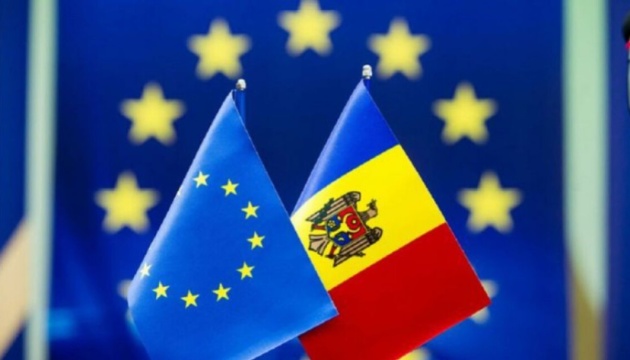
Moldova Braces for Russian Interference as Crucial Parliamentary Elections Approach
Chisinau, Moldova – The small Eastern European nation of Moldova is on high alert as its upcoming parliamentary elections, scheduled for September 28th, become a focal point of heightened geopolitical tensions. Leaked documents and intelligence reports reveal a concerted effort by the Kremlin to undermine the country’s pro-European trajectory, destabilize the government of President Maia Sandu, and potentially steer Moldova back into Moscow’s sphere of influence. This alleged Russian interference campaign involves a multi-pronged approach, including disinformation campaigns, orchestrated protests, and the potential mobilization of provocateurs to incite violence and sow chaos. The stakes are high for Moldova, a country grappling with its post-Soviet identity and seeking closer ties with the European Union, while also facing the looming threat of Russian aggression exacerbated by the ongoing war in Ukraine.
The Kremlin’s alleged destabilization efforts draw on a long history of Russian influence in Moldova, particularly through the breakaway region of Transnistria, a strategically important sliver of land bordering Ukraine. Moscow has long utilized political networks, disinformation campaigns, and covert operations to maintain its grip on the region and exert pressure on the Moldovan government. The current strategy appears to be an escalation of these tactics, aiming to discredit the ruling Action and Solidarity (PAS) party and manipulate the electoral process in favor of pro-Russian factions. The leaked documents outline a sophisticated plan involving recruiting Moldovan citizens abroad to participate in organized voting, staging protests and calls for government resignation, disseminating disinformation through social media, and potentially leveraging compromising material against government officials.
The specter of Russian interference has already materialized in recent events. Moldovan authorities detained 74 individuals suspected of plotting violent unrest in the lead-up to the elections. These suspects reportedly received training in Serbia, allegedly under the guidance of Russian citizens, which included firearms handling, crowd-control tactics, and strategies for instigating provocations during protests. Each participant allegedly received approximately €400 for their involvement. This incident underscores the seriousness of the threat and the lengths to which Russia may be willing to go to influence the electoral outcome. European officials have echoed these concerns, warning that Russia is highly likely to employ a range of destabilizing measures.
European authorities confirm that pro-Russian parties in Moldova are receiving various forms of support from Moscow, ranging from political consulting to direct funding. President Maia Sandu has been vocal about the potential for interference, warning of voter bribery, cyberattacks, paid protests, and widespread disinformation campaigns. She has appealed to international partners to strengthen their monitoring of the democratic process in Moldova and hold Russia accountable for its actions. The international community is closely watching the situation, recognizing the implications for regional stability and the broader struggle between democratic values and authoritarian influence.
The upcoming elections are widely seen as a pivotal moment for Moldova’s future. Recent polls suggest that the ruling PAS party is likely to retain its lead, but may fall short of a parliamentary majority. This scenario creates a fertile ground for political maneuvering by pro-Russian opposition parties, potentially leading to a hung parliament and political instability. The Kremlin could capitalize on this situation to further its agenda and undermine Moldova’s European aspirations. The country’s fragile democracy is facing a critical test, and the outcome of the elections could determine its political trajectory for years to come.
The situation in Moldova serves as a stark reminder of the challenges faced by countries navigating the complex geopolitical landscape of Eastern Europe. As the war in Ukraine continues to cast a long shadow over the region, the Kremlin appears determined to assert its influence and destabilize countries seeking closer ties with the West. The international community must remain vigilant and support Moldova’s efforts to protect its sovereignty and democratic processes. The outcome of the upcoming elections will not only shape Moldova’s future but could also have broader implications for regional security and the ongoing struggle between democracy and authoritarianism. The world is watching as Moldova stands at a crossroads, its future hanging in the balance.