






Russian Disinformation Explodes in Poland as Volhynia Tragedy Stirs Ukraine Tensions
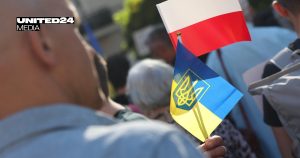
A new wave of Russian disinformation has flooded Polish-language social media and official platforms, exploiting a bitter historical dispute between Ukraine and Poland that erupted over a military unit named after Ukrainian nationalist heroes. According to a Reuters report citing Polish officials and researchers, Moscow has dramatically intensified its online influence operations in recent weeks, seizing on the conflict over the Volhynia tragedy—a Second World War-era ethnic cleansing that remains a deeply painful memory for Poles. The posts, appearing across X, Facebook, Instagram, TikTok, and Telegram, are designed not only to inflame resentment between the two neighboring allies but also to stoke prejudice against the millions of Ukrainian refugees sheltering in Poland. Pawel Olszewski, Poland’s Deputy Minister of Digital Transformation, bluntly stated that Russian disinformation “exploded” after the diplomatic clash, particularly on Telegram, before spreading to mainstream Polish media outlets that began echoing the narratives.
The Volhynia tragedy, which unfolded between 1943 and 1945 in the Volhynia and Eastern Galicia regions, is one of the most contentious chapters in Polish-Ukrainian relations. Ukrainian nationalist forces, including the Ukrainian Insurgent Army (UPA), carried out a campaign of ethnic cleansing that resulted in the deaths of tens of thousands of Poles; reprisal attacks by Polish forces also killed thousands of Ukrainians. For decades, historians and politicians have debated the death toll and the nature of the events, with Ukraine viewing the UPA as fighters for independence and Poland regarding them as perpetrators of genocide. The topic periodically resurfaces, and each new political gesture from either side can send ripples through the bilateral relationship. This latest flare-up began in late May, when Ukrainian President Volodymyr Zelenskyy signed a decree bestowing the honorary designation “Heroes of the UPA” on a specific unit of the Armed Forces of Ukraine. The move immediately drew sharp criticism from Polish officials, who viewed it as a provocation that whitewashed a dark history and disregarded profound Polish sensitivities.
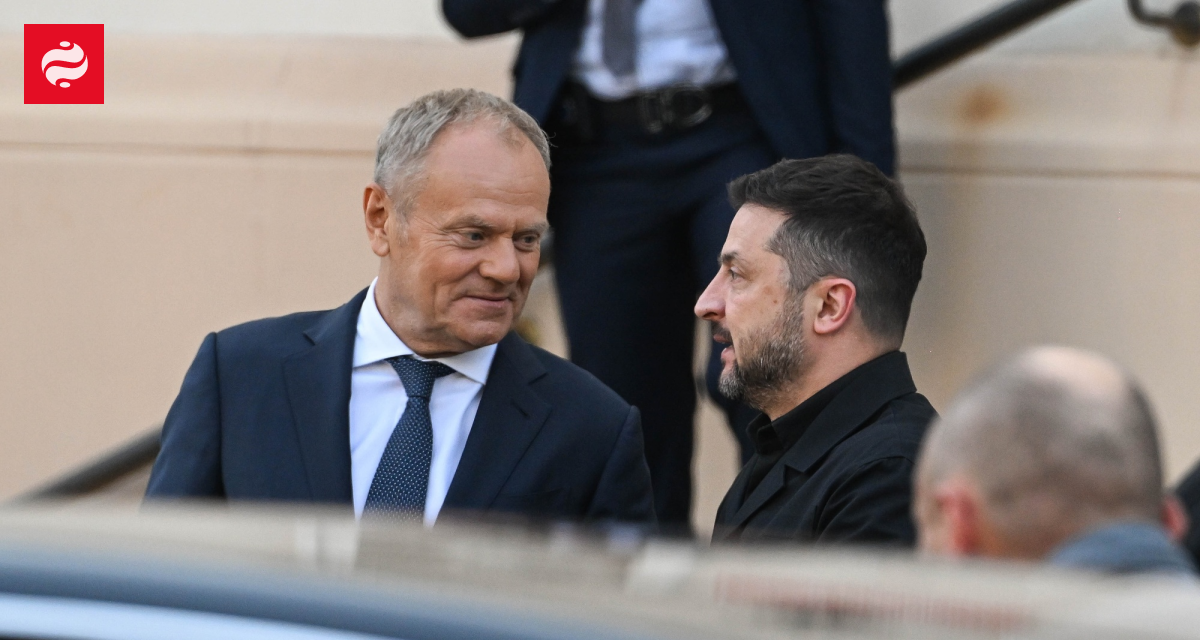
The diplomatic fallout escalated rapidly, reaching into the realm of state decorations and national pride. On June 19, according to the Reuters report, Karol Nawrocki, the head of Poland’s Institute of National Remembrance and a key official in the country’s historical memory policy, moved to strip Zelenskyy of the Order of the White Eagle—Poland’s highest state honor—which had been awarded to the Ukrainian president in a grand ceremony during a previous gesture of solidarity. In a dramatic response, Zelenskyy returned the award to Poland, reportedly sending it directly to Nawrocki by mail. The exchange turned a historical disagreement into a highly personal and public confrontation, capturing headlines in both capitals and providing fertile ground for adversarial narratives. Polish Prime Minister Donald Tusk, who had earlier appeared alongside Zelenskyy in a photo that symbolized their strategic partnership around the time of the award ceremony, found himself navigating a domestic political storm. The return of the medal was widely interpreted as an expression of Kyiv’s discontent with what it perceived as Polish double standards and a lack of respect for Ukrainian sacrifices in the ongoing war against Russia.
Against this backdrop of raw emotion and political friction, the analytical community observed an alarming surge in hostile messaging Ukrainian-destined at. The state-funded Polish Institute of International Affairs (PISM) conducted a detailed analysis of social media content following the decree and subsequent escalation. Their findings, cited in the Reuters report, revealed that the volume of Polish-language anti-Ukrainian content on X, Facebook, Instagram, TikTok, and YouTube increased by more than 250%. Philip Bryka, an analyst at PISM, noted that a significant portion of this growth was likely artificially generated using bots, designed to create the superficial impression of a rapid and organic rise in anti-Ukrainian sentiment among ordinary Poles. Crucially, Bryka and his colleagues observed that the overwhelming majority of these posts did not contain outright false information; instead, they aimed to magnify genuine historical grievances, twist selective facts, and amplify outrage. This subtlety, analysts suggest, may represent a new and more sophisticated Russian approach to disinformation—one that is less reliant on clumsy fabrications and more focused on weaponizing existing divisions, fueling polarization, and eroding trust between allied nations.
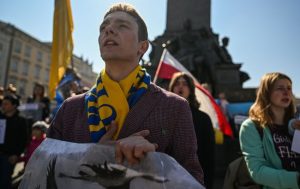
The stakes extend far beyond the historical debate. Ukraine and Poland currently share a strategic partnership critical to the security of Eastern Europe, with Poland serving as a primary hub for Western military aid to Ukraine, a transit country for millions of refugees, and a vocal advocate for Kyiv’s eventual membership in NATO and the European Union. Polish society has shown remarkable solidarity with Ukraine since Russia’s full-scale invasion in February 2022, welcoming refugees and volunteering in droves. Yet that goodwill, which Russian strategists have long sought to undermine, is now being tested. Ambassador to the dissemination of discord, the Kremlin appears to be banking on the idea that even a deeply loyal ally can be pushed to fatigue and anger if historical wounds are reopened at the right moment. The rapid spread of anti-Ukrainian messaging in Polish, from Telegram channels to mainstream comment sections, indicates an operation designed to erode public support for continued Ukrainian military and humanitarian needs, thereby weakening the Western coalition from within.
Russia, for its part, has categorically denied any involvement. In a written response to Reuters, the Russian Embassy in Warsaw stated that “Russia does not interfere in relations between other states,” dismissing accusations of a disinformation campaign as unfounded and further claiming that Western leaders are deliberately exaggerating the threat posed by Moscow to deflect from their own political agendas. This familiar denial, which echoes Russian responses to numerous previous revelations of interference, was accompanied by pro-Kremlin media narratives that sought to cast Poland as a victim of Ukrainian ingratitude and Kyiv as a hotbed of ultranationalism. However, independent researchers and officials note that the timing and coordination of the content—appearing almost immediately after Zelenskyy’s decree, with spikes coinciding with key diplomatic events—point to a deliberate orchestration. As Poland heads into a period of heightened political sensitivity, with an upcoming presidential election and debates over refugee policy, the infusion of anti-Ukrainian sentiment carries real electoral risks. The challenge for both Warsaw and Kyiv is to manage their legitimate historical disagreements without allowing mutual grievances to become fodder for a foreign adversary’s destabilization project. For now, the 2000-word narrative is not yet closed: Polish analysts are urging vigilance, Ukrainian officials are signaling a desire to focus on defeating Russia, and the disinformation machine continues to churn, waiting for the next spark.


