


Kennedy’s Controversial Testimony on Vaccines Sparks Senate Scrutiny and Public Health Concerns
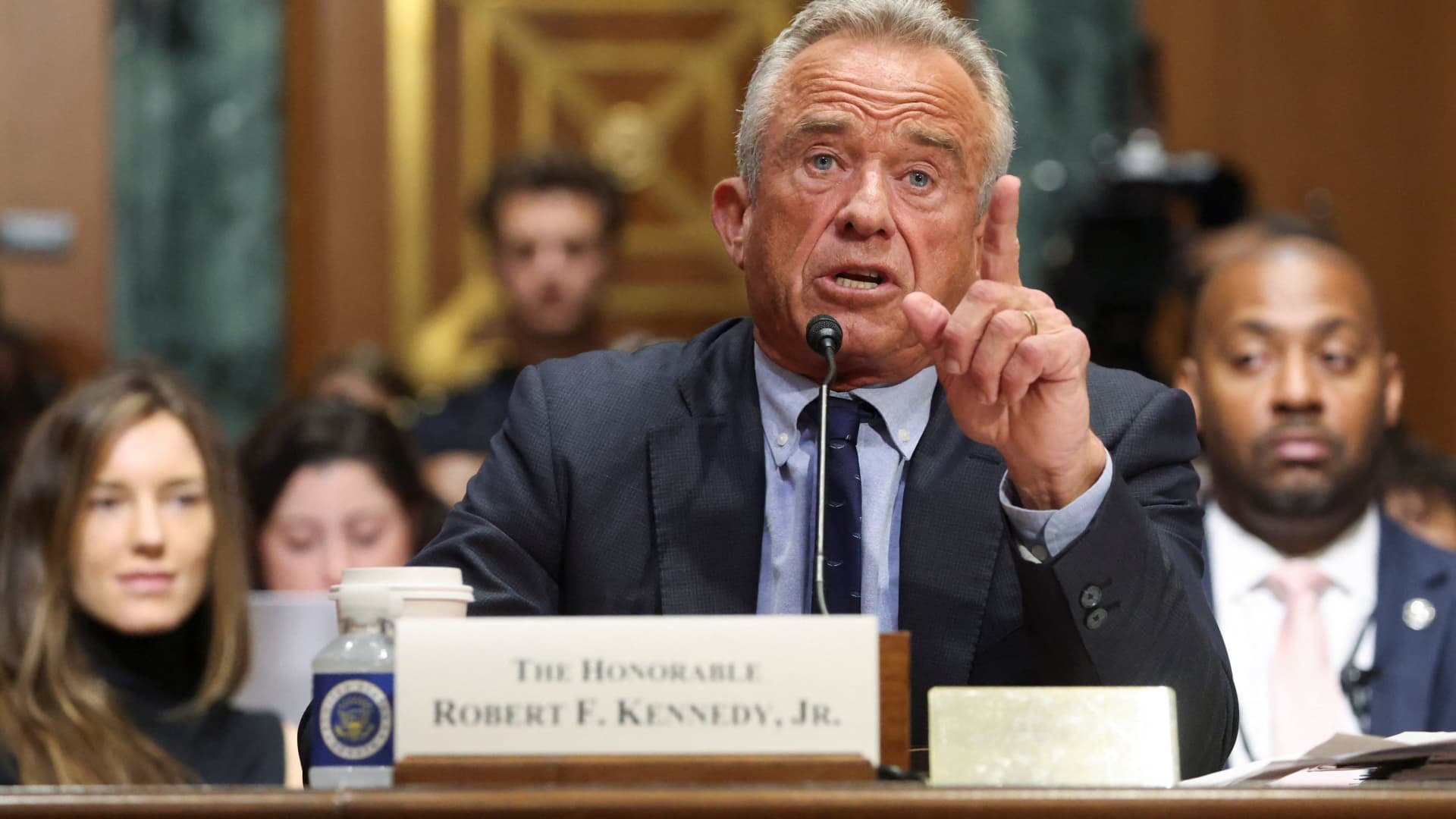
Washington, D.C. – In a charged Senate Finance Committee hearing, Health and Human Services Secretary Robert F. Kennedy Jr. defended his contentious vaccine policies, echoing unsubstantiated claims about mRNA vaccines and prompting sharp rebukes from senators and public health experts. Kennedy’s testimony ignited further controversy surrounding his leadership at HHS and raised alarm about the potential impact on vaccine confidence and public health.
The central point of contention revolved around Kennedy’s endorsement of statements made by Dr. Retsef Levi, a recent appointee to the Advisory Committee on Immunization Practices (ACIP), suggesting mRNA vaccines pose a significant danger. Levi’s assertions, which have been widely debunked by scientific studies demonstrating the safety and efficacy of mRNA technology, were echoed by Kennedy, who stated, “I agree with it,” despite claiming to be unaware of Levi’s specific comments. This endorsement comes against a backdrop of widespread scientific consensus supporting the safety and life-saving potential of mRNA vaccines, particularly in combating the COVID-19 pandemic.
Senators pressed Kennedy on his sweeping changes to vaccine policy, including the cancellation of funding for mRNA vaccine development, alterations to immunization access, and the restructuring of the ACIP. These changes, coupled with the recent dismissal of CDC Director Susan Monarez and the resignation of several senior CDC officials, have fueled concerns about the politicization of public health institutions and the potential erosion of public trust in vaccines. Monarez, in a subsequent opinion piece, directly accused Kennedy of undermining public health infrastructure and vaccine protections.
Kennedy’s skepticism towards COVID-19 vaccines also came under scrutiny. He questioned the established efficacy of the vaccines in preventing transmission and infection, contradicting extensive scientific evidence. Furthermore, he expressed uncertainty about the COVID-19 death toll and the vaccines’ role in preventing fatalities, despite readily available data from numerous studies demonstrating the vaccines’ significant impact in reducing severe illness and death. One study estimated that COVID-19 vaccines saved over two million lives globally.
The HHS Secretary defended his decision to replace all 17 members of the ACIP, claiming he was eliminating conflicts of interest and depoliticizing the committee. He insisted the new members were “very, very pro-vaccine” and represented a diverse group of scientists. However, a recent analysis by USC researchers contradicted Kennedy’s claims, revealing that conflicts of interest within the previous ACIP were at historic lows. The new appointments, which include several known vaccine critics, have raised further questions about the direction of vaccine policy under Kennedy’s leadership.
Kennedy’s testimony drew sharp criticism from public health officials and medical experts, who expressed concern about the spread of misinformation and its potential impact on vaccine uptake. They emphasized the importance of relying on evidence-based science and the potential consequences of eroding public trust in vaccines. The ongoing debate over vaccine policy and the role of public health agencies continues to be a central focus, with Kennedy’s actions facing intense scrutiny and raising questions about the future of vaccination efforts in the United States.
The hearing brought into focus several key areas of concern:
-
Scientific Integrity: Kennedy’s endorsement of unsubstantiated claims about mRNA vaccines contradicts the overwhelming scientific consensus on their safety and effectiveness. This raises concerns about the reliance on evidence-based decision-making within HHS.
-
Politicization of Public Health: The dismissal of CDC leadership and the restructuring of the ACIP have fueled concerns about political influence over public health institutions and the potential erosion of public trust.
-
Vaccine Confidence: The spread of misinformation and skepticism towards vaccines, particularly from high-ranking officials like Kennedy, poses a serious threat to public health and could lead to decreased vaccine uptake and a resurgence of preventable diseases.
-
Transparency and Accountability: Kennedy’s refusal to acknowledge readily available data on COVID-19 mortality and vaccine efficacy raises concerns about transparency and accountability within the administration.
The controversy surrounding Kennedy’s testimony underscores the ongoing challenges facing public health officials in combating misinformation and maintaining public trust in vaccines. The long-term consequences of these policy decisions and the potential impact on public health remain to be seen.